
Install panels over a solid deck with underlayment, flashing, and proper fasteners.
If you want to know how do you install a metal roof the right way, you are in the right place. I have put up many roofs in heat, wind, and snow. I will show you what works in the field, not just on paper. This guide covers tools, prep, layout, flashing, panels, trims, and final checks. By the end, how do you install a metal roof will feel clear, step by step, and doable.

Choose the right metal roof system
Start with the right type for your home and climate. The best system makes the work smooth and the roof last.
- Screw-down panels are budget-friendly and common for sheds and garages.
- Standing seam panels hide fasteners and move with heat. Great for homes.
- Steel is strong and cost-effective. Aluminum resists salt. Copper and zinc are premium.
- Most homes use 24 to 29-gauge steel with a quality paint finish.
Match the panel to your roof pitch. Very low slopes need special seams and sealants. Ask the maker for the pitch rating. If you ask how to install a metal roof that handles snow and ice, pick a system with high seams and proven coatings.
Tip from the field: choose long panels that run ridge to eave when you can. Fewer seams, fewer leaks.
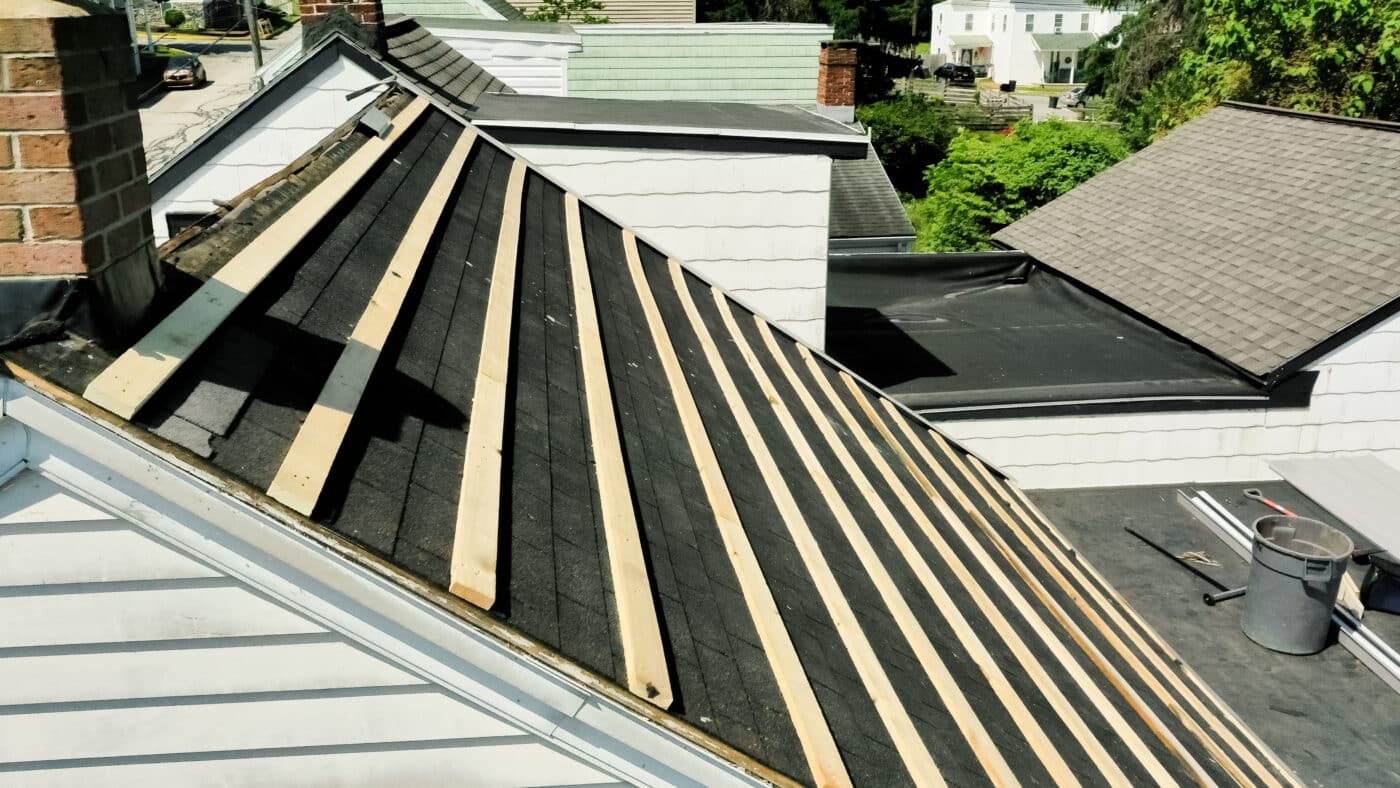
Tools and materials checklist
Have everything on site before you start. Delays cause gaps and mistakes.
- Safety gear: harness, roof anchors, rope, non-slip shoes, gloves, eye and ear protection
- Measuring and marking: tape, chalk line, framing square, level
- Cutting tools: electric or manual shear, nibbler, snips; avoid abrasive blades
- Fastening: screw gun with adjustable clutch, magnetic bits, hand seamer, rivet tool
- Sealers and tapes: butyl tape, closure foam, high-temp sealant, underlayment tape
- Flashing and trims: drip edge, eave trim, gable trim, valley, ridge cap, z-closures
- Roofing parts: panels, underlayment, ice and water shield, pipe boots, vents, snow guards
- Cleanup: magnet roller, broom, tarps
Think ahead. If you ask how to install a metal roof with clean lines, you need square cuts, straight chalk lines, and fresh, sharp tools.
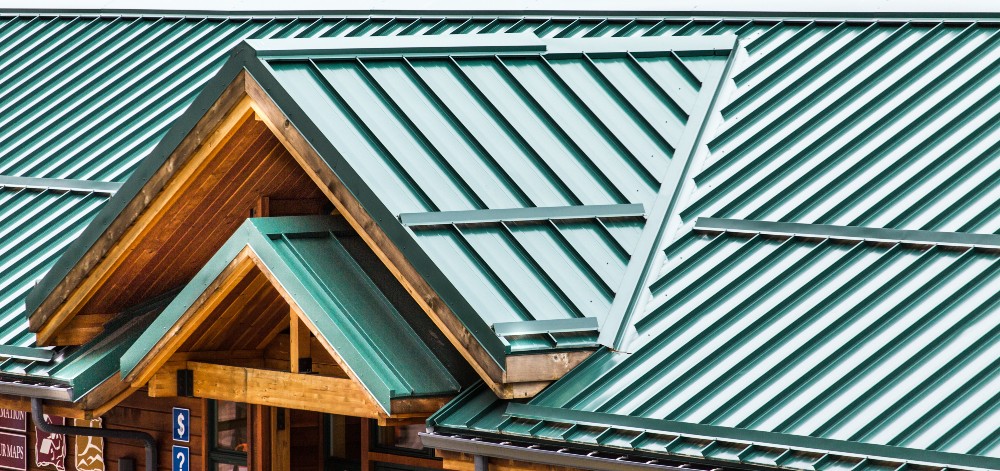
Safety, codes, and planning
Your roof is high, slick, and has sharp edges. Respect it.
- Check local codes and HOA rules. Pull permits when required.
- Read the panel maker’s install guide. This governs the warranty.
- Plan weather windows. Dry days, low wind, mild temps are best.
- Stage panels near the eave. Lift with help. Do not drag panels.
Set roof anchors at the ridge and clip in. If you wonder how to install a metal roof without stress, this is it: plan the work, then work the plan.
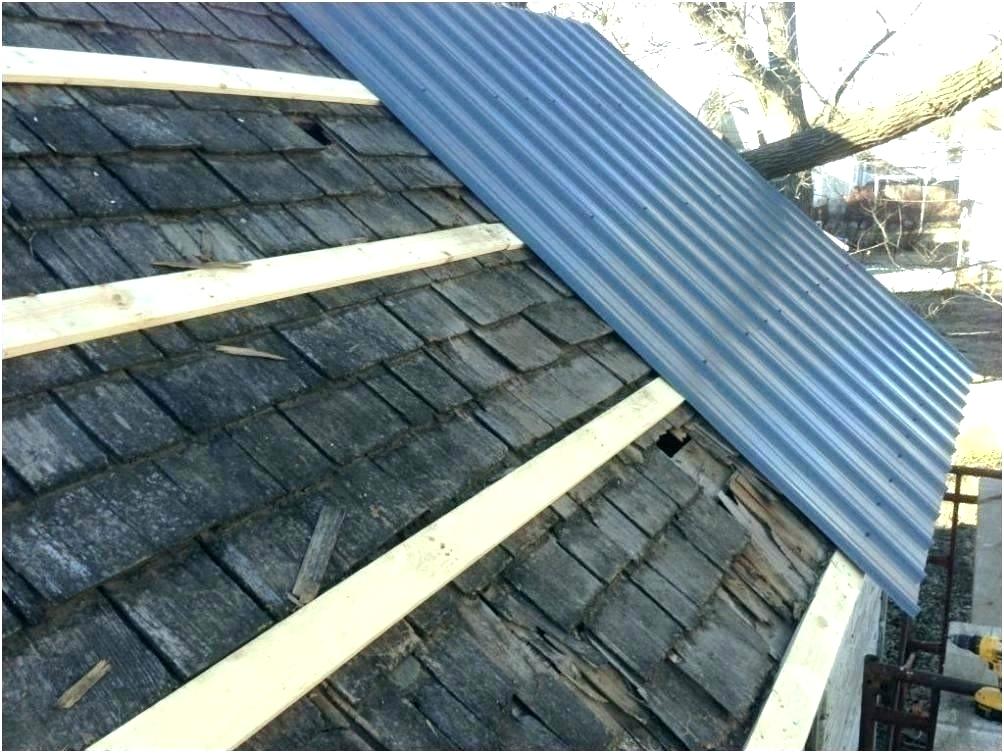
Prepare the roof deck
A metal roof needs a sound base. Fix the bones first.
- Remove old roofing if needed. Some systems allow layover. Check weight and code.
- Inspect sheathing. Replace soft, rotten, or delaminated areas.
- Drive down or pull any nails that stick up.
- Ensure edge wood is solid for trim and drip edge.
A flat, clean deck saves time later. I learned this early. Bad decks turn into crooked panels and leaks. If you ask how to install a metal roof that stays tight, start with solid wood.

Underlayment, ice barrier, and ventilation
Underlayment adds a second skin. Venting lets the roof breathe.
- Install self-adhered ice and water shield at eaves, valleys, and around chimneys and skylights.
- Roll out synthetic underlayment from eave to ridge. Overlap per label, usually 4 inches.
- Tape seams where advised. Keep it smooth and flat.
- Maintain intake at the soffit and exhaust at the ridge for attic venting.
If you ask how to install a metal roof in cold zones, extend the ice shield up the slope per code. In hot zones, focus on venting and radiant load.

Flashing basics you must master
Flashing moves water away from joints and edges. Get this right.
- Drip edge and eave trim keep water off the fascia.
- Gable trim protects rake edges from wind and rain.
- Valley flashing carries water off intersecting planes.
- Step flashing and counter flashing protect walls and chimneys.
Dry-fit every piece. Mark, then fasten. Seal where the maker says. Do not guess. When people ask how to install a metal roof that never leaks, I say, perfect the flashing.
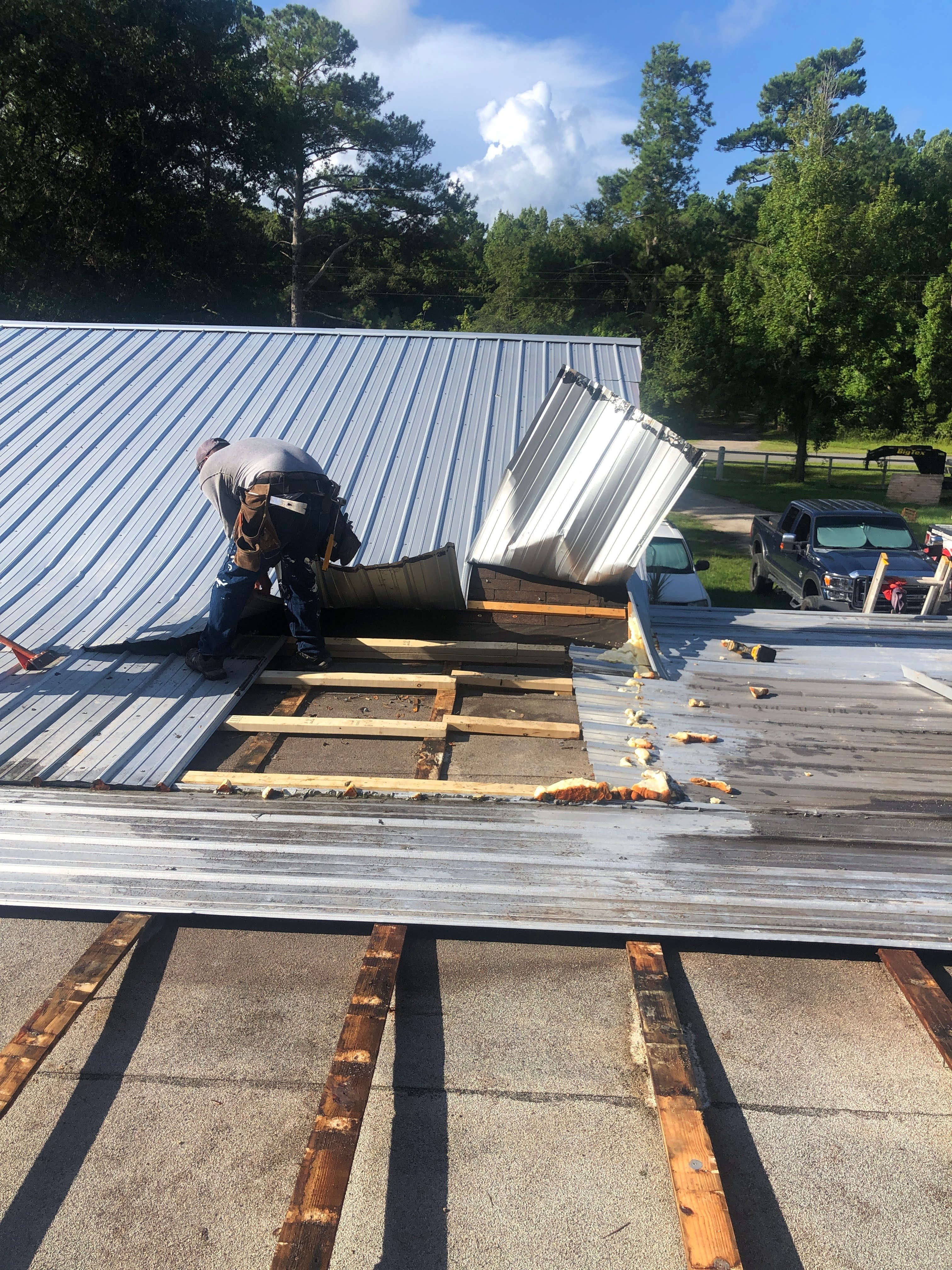
Eave trim and drip edge
This is your straight line to start panels.
- Snap a chalk line along the eave for reference.
- Install the drip edge tightly and straight. Stagger joints.
- Add eave trim over the drip edge if your system uses both.
- Use butyl tape at laps. Keep in line with the flow of water.
A square, straight eave keeps panels square. If it is off, the whole roof will show it.

Layout, squaring, and starter details
Good layout saves time and hides small errors.
- Measure the roof width and panel cover width. Plan how each panel lands at the gable.
- Snap vertical chalk lines every 2 to 4 panels to keep alignment.
- If needed, rip the first panel so the last panel lands clean at the far gable.
- Pre-cut panels for vents or valleys on the ground when safe.
If you ask how do you install a metal roof without wavy lines, re-snap chalk lines if wind blows dust or the line fades.
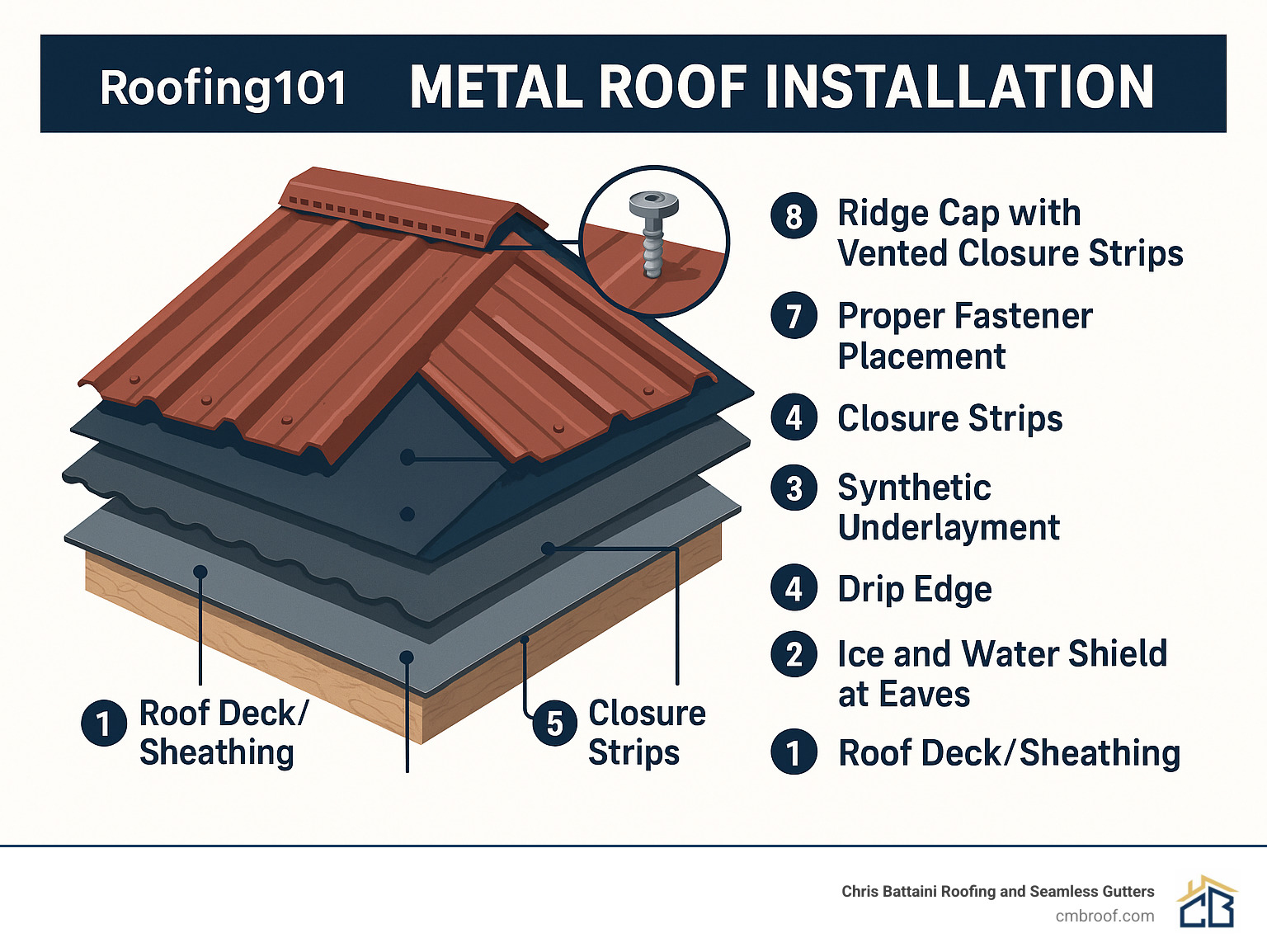
Install panels and fasteners
Now the fun part. Panels go on from the square edge, usually left to right.
For exposed fastener panels:
- Set the first panel flush to eave trim and on your vertical line.
- Place screws in high ribs or flats as the maker directs, often every 24 inches.
- Do not overdrive screws. The washer should seat snug, not squish.
- Overlap side laps and seal if required.
For standing seam:
- Hook the panel on the starter or eave cleat.
- Engage side seams, then clip or fasten per spec.
- Use a hand seamer to lock mechanical seams if needed.
Keep panels protected from scratches. Lift, do not drag. If you ask how do you install a metal roof that looks pro, control your screw lines. Straight lines look clean from the yard.
Valleys, hips, and ridges
Water meets here. Slow down and get these perfect.
Valleys:
- Install full-length valley flashing with a center rib or W.
- Add closure foam where panels meet the valley.
- Keep a clean cut line and a uniform reveal.
Hips and ridges:
- Use vented closures for airflow at ridge if the attic is vented.
- Install Z-closures or cleats, then set the ridge cap.
- Fasten per pattern and seal at overlaps.
On one job, a missed closure at a ridge caused wind-driven snow to enter. If you ask how do you install a metal roof for harsh winters, never skip closures.
Pipes, skylights, and chimneys
Most leaks happen at penetrations. Use the right boots and flashings.
- Use high-temp rubber pipe boots sized to the pipe. Fit tight around ribs.
- Set butyl tape under the boot. Form to the panel ribs. Screw and seal.
- For skylights, use the maker’s curb and step flashing kit.
- For chimneys, cut reglet slots and set counter flashing in sealant.
Always lap with the flow of water. Ask yourself during each step: how do you install a metal roof that sheds water at every joint?
Finishing trims and sealing
Details make the roof. They also protect cut edges.
- Install gable trim with neat laps and sealed joints.
- Cap rake edges and rake boards for wind lift control.
- Paint scratches and cut edges with touch-up paint.
- Add snow guards if needed above doors or walks.
Stand back and view from the ground. Line and shadow reveal flaws. Fix them now.
Quality checks, cleanup, and maintenance
A few final steps lock in a long life.
- Walk all seams and trim. Check every fastener row.
- Replace any screw that spins or misses wood.
- Clear all metal shavings. Use a magnet roller and blower.
- Register the warranty and keep the install guide.
Care is simple. Wash with mild soap, inspect screws and sealant each year, and clear gutters. If a friend asks how do you install a metal roof that lasts 40 years, I say, install it right and then maintain it.
Common mistakes to avoid and pro tips
These errors cost time and money. Avoid them from day one.
- Overdriven screws split washers. Set your clutch and slow down.
- Cutting with abrasive blades burns paint. Use shears or nibblers.
- Skipping closures invites pests and snow. Always install them.
- Poor layout leads to crooked panels. Snap lines often.
- Sealing where you should vent causes sweat. Know when to use vented closures.
Pro tips:
- Stage panels on padded 2x blocks to avoid scratches.
- Pre-drill tricky screw lines for perfect spacing.
- Keep a small parts box on your belt for clips, screws, and rivets.
If you keep asking how do you install a metal roof like a pro, the answer is simple. Respect each step, and never rush flashing or layout.
Cost, timeline, and DIY vs pro
Budget helps you plan. Time does too.
- Material cost varies by metal and profile. Expect a higher cost for standing seam.
- A simple one-story gable can take a weekend with two helpers.
- Complex roofs need more days for valleys and flashings.
DIY can work if you are safe on roofs and can read plans. Hire a pro if the roof is steep, high, or complex. When friends ask how to install a metal roof on a tall two-story, I urge them to bring in a licensed crew.
Frequently Asked Questions of how do you install a metal roof
How long does it take to install a metal roof?
A simple roof can take two to three days. Complex roofs with many cuts can take a week.
Can I install a metal roof over shingles?
Often yes, with a smooth deck and proper underlayment and code approval. Check weight limits and fastener length.
What underlayment should I use under metal?
Use synthetic underlayment with ice and water shield at eaves and valleys. Follow the panel maker’s specs for overlaps.
Do I need to vent the attic under a metal roof?
Yes, most homes need balanced intake and exhaust. Use vented ridge and open soffits unless the deck is sealed and insulated as a system.
How do I stop condensation under metal roofing?
Use venting, proper underlayment, and vapor control inside the home. In some cases, use an anti-condensation backing on panels.
What fasteners are best for metal roofing?
Use manufacturer-approved screws with metal and neoprene washers. Stainless or coated carbon steel are common choice.
Will hail damage a metal roof?
Thicker panels resist dents better. Many systems carry impact ratings; check the specifications.
Conclusion
You asked how to install a metal roof. The real answer is clear steps, a clean layout, and careful flashing. Choose the right system, prep the deck, install underlayment, set trim, place panels with straight lines, and seal every joint. Do a final check, then maintain it each year.
Ready to start? Review your panel guide, pull permits, and gather tools. If a part of how to install a metal roof feels risky, bring in a pro for that step.
Pingback: How To Get Insurance To Pay For Roof Replacement: Pro Tips