
They create habitat islands, host native species, and connect urban ecosystems.
If you have ever looked at a roof and seen a meadow, you know the magic. In this guide, I explain how do living roofs support biodiversity with clear steps and real wins from the field. I have helped design and monitor roofs that turned gray blocks into lively habitat. You will learn what works, what fails, and why small choices matter.

What is a living roof and why biodiversity matters
A living roof is a roof with plants, soil, and life. It can be shallow and light. It can be deep and lush. Either way, it turns a hard surface into a small ecosystem.
How do living roofs support biodiversity? They add safe places to feed, rest, and nest. They also link green spaces across streets. That helps birds, bees, and beetles move. How do living roofs support biodiversity in cities with few parks? By creating many small islands that act like stepping stones.
The ecology: how living roofs function as habitats
Think of a living roof as a layered cake. The top is plants and flowers. The middle is soil that holds water and microbes. The base is a stable, drained layer that keeps the roof dry.
Life shows up fast. First come wind-blown seeds and tiny insects. Then spiders, bees, and birds. Over time, a food web forms. How do living roofs support biodiversity in this web? They provide nectar, seeds, shelter, and moisture in the same spot.
Design choices that maximize biodiversity
A few design moves make a big difference. I use this simple checklist on every project:
- Grow real structure diversity. Mix mounds, flat zones, logs, stones, and small water pans.
- Choose native plants. Aim for a full bloom calendar from early spring to late fall.
- Add host plants for caterpillars. Think milkweed, asters, and grasses that feed larvae.
- Create micro-habitats. Place coarse sand patches, leaf litter corners, and sunny bare spots.
- Invite nesting. Install bee hotels, bird perches, and shallow basins with pebbles.
- Water plan. Use a blue-green layer or set small wetlands where structure allows.
- Ensure safe access. Add parapets and edge habitat away from strong winds.
How do living roofs support biodiversity when space is tight? They stack functions in the same square foot. One mound can supply nectar, shade, and cover. My tip: place at least 20 percent of the area as “wild texture” rather than uniform sedum.

Types of green roofs and their biodiversity outcomes
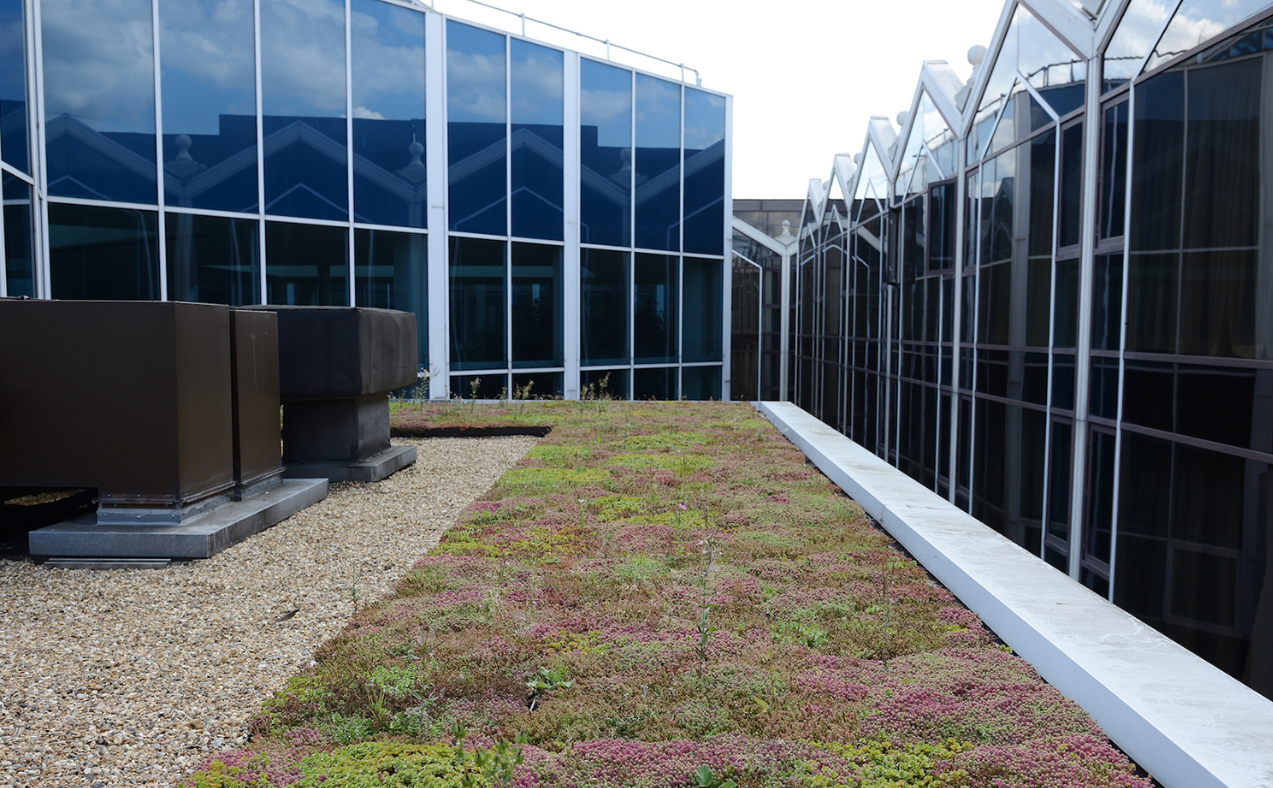
- Extensive roofs. Shallow (about 3–6 inches). Light and low-cost. Good for hardy species and pollinators.
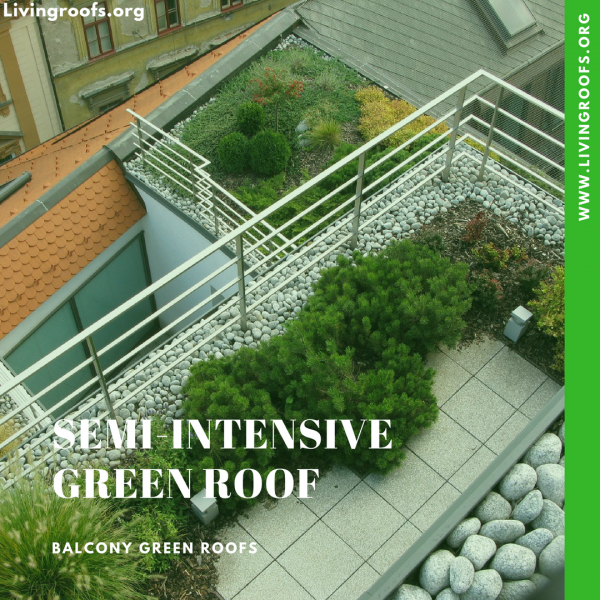
- Semi-intensive roofs. Medium depth. Support more plant types and small shrubs.
- Intensive roofs. Deep soils and even trees. Highest habitat variety, but heavier and pricier.
- Biosolar roofs. Solar panels plus plants. Panels create cool shade and wind breaks for insects.
- Blue-green roofs. Add water storage. Great for dragonflies, mosses, and moisture-loving plants.
How do living roofs support biodiversity across these types? Depth and variety drive species counts. Even a thin roof can host dozens of plant species if you design micro-sites.

Climate and region-specific guidance
Match the roof to your climate. Dry zones need drought-proof plants and thicker mulch. Wet zones need drainage and plants that like wet feet. Hot, windy roofs need wind breaks and hardy grasses. Cold climates need species that handle freeze-thaw.
How do living roofs support biodiversity in harsh sites? By mimicking local habitats. Use local seed mixes. Copy nearby prairie, dune, or scrub patterns. Avoid generic plant palettes that fail in year two.

Benefits beyond biodiversity
Biodiversity is the keystone, but other gains stack up fast. Roof plants slow stormwater. They cool buildings and cut heat islands. They trap dust and improve air quality. People nearby report less stress and more joy.
How do living roofs support biodiversity while saving energy? Shade and evapotranspiration lower roof temps. Cooler surfaces help both bees and building bills.

Step-by-step: planning, installing, and maintaining for biodiversity
- Set goals. Decide on target species, e.g., native bees or migratory birds.
- Check structure. A licensed engineer confirms load limits and wind zones.
- Protect the roof. Install waterproofing and a root barrier.
- Manage water. Add drainage and, if feasible, a blue layer for storage.
- Build soil. Use a well-drained, mineral-rich substrate, not garden soil.
- Plant smart. Combine plugs, seeds, and mats. Stagger bloom times.
- Add features. Logs, stones, bee hotels, and shallow water trays.
- Plan care. Light irrigation in year one, weeding, and seasonal cuts.
From my projects, the number one pitfall is thin soils with no features. The second is no maintenance plan. How do living roofs support biodiversity over time? With simple, steady care and small tweaks each season.

Monitoring success: metrics and citizen science
Keep it simple. Pick three to five measures and repeat them each season.
- Track plant cover and bloom months.
- Count pollinators with short, timed walks.
- Use photo points to see change over time.
- Try a few pitfall traps for ground insects.
- Log bird visits at dawn for 15 minutes.
How do living roofs support biodiversity you can prove? By showing more species, longer bloom periods, and stable habitat features year after year. Share results with local schools or clubs to build support.
Costs, ROI, and funding
Costs vary by depth and site. Many extensive roofs land in the low tens of dollars per square foot. Intensive roofs can run much higher due to weight and irrigation. Maintenance is modest once plants establish.
Savings come from longer membrane life, cooler interiors, and lower storm fees. Grants and incentives can help. How do living roofs support biodiversity while paying back? Healthy, diverse roofs tend to be more resilient, which lowers long-term costs.
Real-world examples and lessons learned
A city hall retrofit we led used a 4-inch mix, mounds, and a local seed blend. Within one year, bee counts doubled from baseline. A school roof added bee hotels and a tiny wetland tray. Students logged 12 bird species in spring.
A warehouse biosolar roof used shade under panels to host moss and sedges. That cool microclimate helped pollinators on hot days. How do living roofs support biodiversity in each case? By matching features to real needs: nectar, water, shelter, and safe edges.
Policy, standards, and certifications
Check local codes for load, wind, and fire rules. Follow tested green roof guidelines for layers and drainage. Use native plant lists from your region. Look to building rating systems for credits tied to biodiversity and stormwater.
How do living roofs support biodiversity within policy limits? Good design fits the code and still adds structure, bloom variety, and safe habitat edges. Document choices to satisfy reviewers.
Frequently Asked Questions of how do living roofs support biodiversity
Do living roofs really attract wildlife in dense cities?
Yes. Even small roofs draw bees, butterflies, and birds. The key is bloom variety, shelter, and water.
How deep should the soil be for biodiversity?
More depth means more options. Aim for at least 4–6 inches, plus a few deeper mounds.
Are sedum-only roofs enough for biodiversity?
Sedum helps with survival but offers short nectar windows. Mix in native forbs and grasses for richer habitat.
How do living roofs support biodiversity during winter?
Seed heads feed birds, and stems shelter insects. Leave some standing plants until spring.
Will a living roof increase pests?
Not if designed well. Diverse habitats tend to balance pests with predators like spiders and lady beetles.
How do living roofs support biodiversity around solar panels?
Panels create cool, protected zones. Plant shade-tolerant species under arrays and sun lovers in open strips.
Do I need irrigation for a biodiverse roof?
Often at least in year one. After roots set, many roofs need only occasional water in drought.
Conclusion
Living roofs turn unused space into real habitat. They host plants, pollinators, and birds, and they link green dots across a city. The steps are simple: design for variety, match your climate, and care for it a little each season. How do living roofs support biodiversity in a way that lasts? By meeting basic needs—food, water, shelter—every day of the year.
Start small if you must. Even a thin roof can bloom with life. Ready to plan your first project?
Pingback: Is Bathroom Sink Water Safe To Drink : Safety Facts & Tips