
DWV in plumbing stands for Drain, Waste, and Vent—your home’s drainage backbone.
If you have wondered what does dwv stand for in plumbing, you are in the right place. I have planned, installed, and repaired DWV systems in homes, old and new. This guide explains the parts, how they work, how to size and vent lines, and the key mistakes to avoid so your drains stay quiet and odor-free.
DWV, Explained: What It Is and Why It Matters
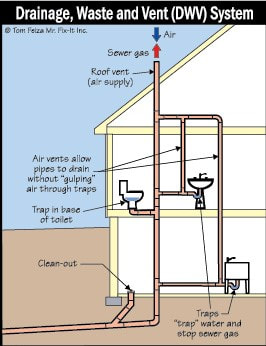
DWV stands for Drain, Waste, and Vent. It is the system that carries used water and sewage out while letting fresh air in. Think of it as the lungs and veins of your plumbing. It uses gravity and air to move water and protect your home from sewer gas.
If you ever typed what does dwv stand for in plumbing, you wanted more than just the words. The drain lines move water. The waste lines carry sewage. The vent lines bring in air to keep traps full and drains fast. When these parts work together, sinks do not gurgle, showers do not smell, and toilets flush well.
A well-built DWV system follows code rules on slope, pipe size, fittings, and venting. It also includes cleanouts for service. Done right, it runs for decades with little care.
How a DWV System Works
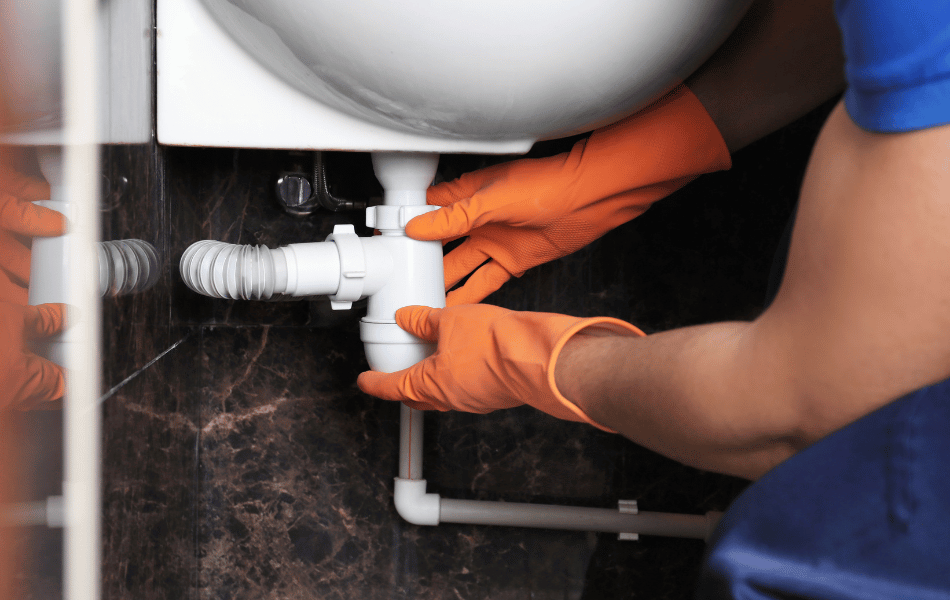
A DWV system is simple at heart. Water flows down by gravity. Each fixture has a trap that holds water. That water seal blocks sewer gas from entering the home.
Vents are the other half. They add air to the system, like a straw that keeps flow smooth. Without a vent, a drain can suck the trap dry. That causes smells, gurgles, and slow flow.
Here is a quick picture in words:
- You run a sink. Water falls through a sanitary tee into the branch drain.
- The trap under the sink stays full because the vent lets air in.
- The branch drain joins a larger line with a wye fitting, then runs to the main stack and out to the sewer.
If you ask what does dwv stand for in plumbing during a repair, remember this: water out, air in, seals intact. That is the whole game.

Materials, Fittings, and Pipe Sizing Basics
Most modern homes use PVC or ABS for DWV. Many older homes use cast iron. Each has a role.
Materials you will see:
- PVC DWV. White pipe. Light, quiet enough with good strapping. Solvent weld with primer and cement.
- ABS DWV. Black pipe. One step cement. Common in some regions.
- Cast iron. Heavy and quiet. Great for noise control in multi-story homes.
Useful standards and tips:
- PVC DWV pipe often follows ASTM standards for fittings and pipe walls.
- Use a sanitary tee for vertical-to-horizontal flow. Use a wye or a combo for horizontal-to-horizontal flow.
- Slope small horizontal drains at about 1/4 inch per foot. Large pipes can slope at 1/8 inch per foot.
- Keep trap seals between 2 and 4 inches of water. That is a common code rule.
When people search what does dwv stand for in plumbing, they also need good sizing. Typical sink trap arms are 1 1/2 inch pipe. Shower drains are often 2 inch. Toilets are 3 or 4 inch. Local code sets exact sizes and vent distances.

Design Best Practices You Can Trust
These are habits I use on every job. They keep drains fast and quiet.
- Plan vent paths first. If the vent path is clean, drains are easy.
- Keep slope steady. No sags. Use solid supports every few feet.
- Use the right fitting. Sanitary tees for vertical to horizontal. Wyes and 45s for smooth sideways runs.
- Respect trap arm limits. Many codes allow about 6 feet for a 1 1/2 inch arm under standard slopes. Check your code.
- Add cleanouts at the base of each stack and at major changes of direction.
- Avoid flat vents. The vent should rise before turning horizontal.
- Use primer and cement on PVC. Give joints a full twist and hold for a few seconds.
- Insulate vents in cold zones if frost is a risk.
- Air admittance valves can help when a wall vent is not possible. Make sure they are listed and accessible.
If you are still asking what does dwv stand for in plumbing, it also stands for peace of mind when planned right. Good vents mean no gurgles. Cleanouts mean no wall cutting for clogs. Correct slope means fewer calls to the plumber.

Common Problems and How I Fix Them
I often get called for three classic issues. Here is how I spot and solve them.
Gurgling or slow drains:
- Likely a vent problem or partial clog.
- I first check the roof vent for nests or ice. Then I run a camera or snake the line.
- If a remodel removed a vent, I add a proper vent or a code listed air admittance valve.
Sewer smells:
- Often a dry trap. Floor drains or guest baths sit unused.
- I pour water into the trap, then add a few drops of mineral oil to slow evaporation.
- If smells persist, I test for a cracked vent or a bad wax ring at the toilet.
Repeat clogs at the same spot:
- I check for wrong fittings, like a sanitary tee on its back in a horizontal line.
- I replace with a wye and 45. I add a cleanout for future access.
A quick story: A client had a shower that burped every night. The trap arm ran long with no vent in reach. We added a vent up the nearest wall and tied it in at the attic. The noise vanished, and flow improved at once. Moments like that show why what does dwv stand for in plumbing matters in real life.

DWV in Remodels and New Builds
Remodels need careful planning. New builds need a clear layout and a code check.
For remodels:
- Map every fixture on graph paper.
- Trace a vent path that rises as soon as possible.
- Use wet venting where allowed to save space. For example, a bathroom group can share a vent under many codes.
- Protect pipes with nail plates. Keep holes centered in studs.
For new builds:
- Set a main stack location that lines up with key baths.
- Use two way cleanouts at the building drain to speed service.
- Keep noise in mind. Cast iron or sound wraps help near bedrooms.
What does dwv stand for in plumbing during a remodel? It stands for smarter routing, code friendly vents, and fewer patch jobs later.

Codes, Testing, and Inspection Checklist
Codes vary. The International Plumbing Code and Uniform Plumbing Code differ on some sizes and distances. Always ask your local inspector early.
Testing steps I use:
- Water test. Cap all open ends. Fill the system to the highest vent. Hold for the time your code requires.
- Air test. Some areas allow 5 pounds per square inch for a set time. Use caution and follow code.
- Smoke test. Pros can use smoke to find leaks in vents.
Inspector friendly checklist:
- Correct slope and support.
- Right fittings in the right direction.
- Cleanouts where needed and reachable.
- Vents rise before going horizontal.
- Trap arms within allowed length.
- No unapproved saddle tees or random flex connectors.
If your key question is what does dwv stand for in plumbing, it also means compliance. Test it, document it, and be there for the inspection with your plans.
Frequently Asked Questions of what does dwv stand for in plumbing
What does DWV stand for in plumbing?
DWV stands for Drain, Waste, and Vent. It covers all the non-pressure plumbing that moves sewage out and air in.
Why do vents matter in a DWV system?
Vents let air into the pipes so water flows without pulling traps dry. They keep drains fast and stop sewer gas.
Can I use an air admittance valve instead of a roof vent?
In many places, yes, if the valve is listed and accessible. Check with your local code first.
What pipe size is common for a home DWV system?
Sinks often use 1 1/2 inch. Showers use 2 inch. Toilets use 3 or 4 inch. Local code sets the final size.
How much slope should my drain lines have?
Small drains often need about 1/4 inch per foot. Larger drains can use about 1/8 inch per foot, unless your code states otherwise.
Conclusion
DWV is the quiet hero of a healthy home. It moves water out, lets air in, and seals out sewer gas. Now that you know what does dwv stand for in plumbing, you can plan smarter, spot issues faster, and talk with confidence to your contractor or inspector.
Take one step today. Walk your home, find your cleanouts, and listen for gurgles after a long shower. If something seems off, use this guide to fix it or call a pro. Want more practical tips like this? Subscribe and drop your DWV questions in the comments.
Pingback: How To Use Teflon Tape In Plumbing: Pro Tips For Seals
Pingback: What Does A Red Light In A Bedroom Mean: A Quick Guide
Pingback: How To Use Teflon Tape In Plumbing: Pro Tips For Seals