
A P-trap, or P-trap, is a U-shaped pipe that blocks sewer gas.
If you have ever wondered why a sink does not smell like a sewer, this is why. In this guide, I will explain what a pea trap in plumbing is in simple terms. I will show you how it works, where to use it, and how to keep it trouble-free. I work with these traps often, and I’ll share real tips that save time and money.
Pea trap or P-trap: what people really mean
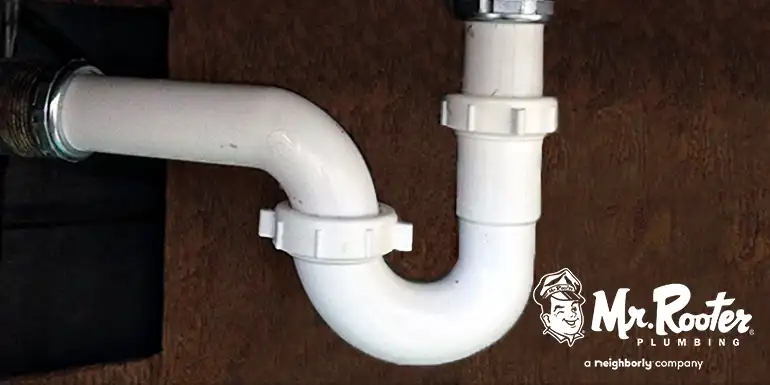
Many people say pea trap. The real term is P-trap. It looks like the letter P on its side. The shape holds water in the bend.
That small pool of water is key. It blocks sewer gas. It also catches rings, earrings, and small parts. When people ask what is a pea trap in plumbing is, they usually mean this common P-shaped drain trap.
You will find one under most sinks, tubs, and laundry tubs. It is simple, cheap, and vital for safe plumbing.

How a P-trap works, step by step
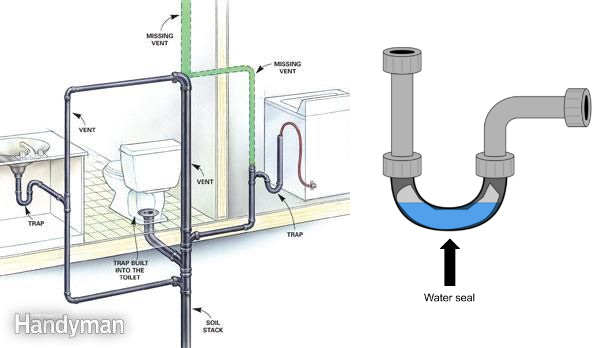
Think of the trap as a liquid cork. It holds a small seal of water. That seal blocks air from the sewer line.
Here is how it works in use:
- Water flows from the sink into the U-bend.
- The U-bend keeps some water after each use.
- That water seal stops bad odors and gases.
- A vent line upstream balances air so the flow stays smooth.
This is the short answer to what a pea trap is in plumbing. It is a water seal that protects your home and your lungs.
Where you need one and basic code rules
Most building codes require a trap at every fixture drain. That includes kitchen sinks, lavatory sinks, showers, and floor drains. Toilets have built-in traps.
Key code points that apply in most areas:
- The trap must be close to the drain outlet.
- Only one trap per fixture in most cases.
- The trap must be vented to keep the seal.
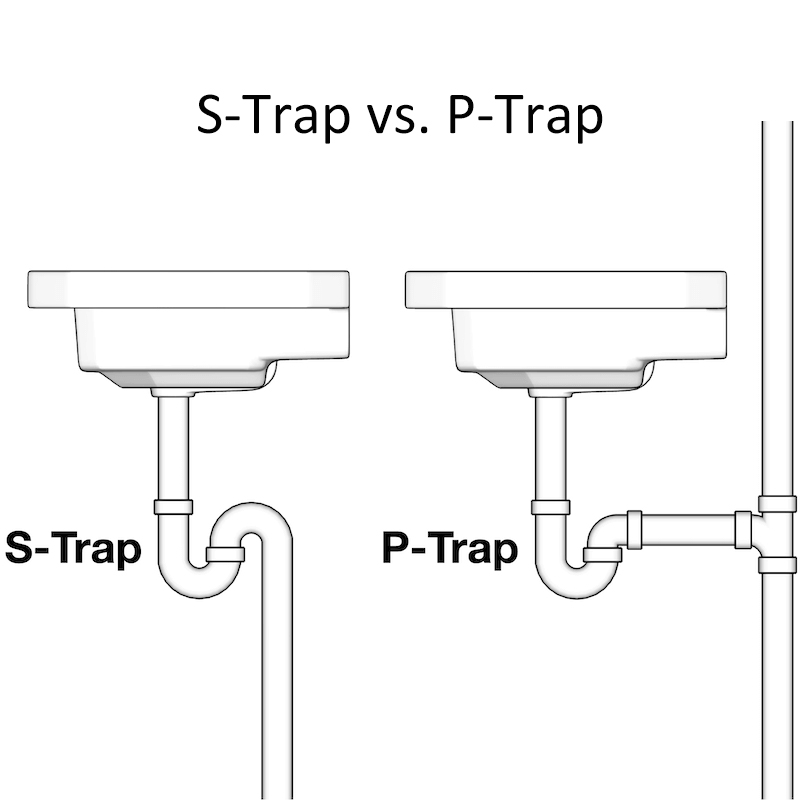
- S-traps are not allowed in many places.
If you ask your inspector what is a pea trap in plumbing, they will say it is a code-required part for health. Check local rules before you start work.

Sizes, materials, and parts you should know
Most sink P-traps come in two sizes:
- 1 1/4 inch for bathroom sinks
- 1 1/2 inch for kitchen sinks and laundry tubs
Common materials:
- PVC for most homes. It is light and easy.
- ABS in some regions. It glues fast.
- Chrome-plated brass for a clean, visible look.
- Cast brass for heavy-duty jobs.
Main parts:
- Trap bend (the U)
- Trap arm (the straight piece to the wall)
- Slip nuts and washers
- Optional cleanout on the bottom of the U
Knowing these helps when someone asks what a pea trap is in plumbing at a store. You can pick the right kit fast.
DIY install: a simple sink P-trap
You can install a P-trap with basic tools. Dry fit first. Do not glue slip-joint kits.
Steps I use on service calls:
- Measure the height from the sink tailpiece to the wall stub-out.
- Cut the trap arm to fit with a slight slope to the wall.
- Slide the slip nuts and washers in the right direction.
- Seat the trap bend under the tailpiece.
- Join the trap arm to the wall outlet.
- Hand-tighten nuts, then give a small extra turn.
- Run water and check for drips. Tighten a bit more if needed.
This is the hands-on side of what a pea trap is in plumbing. It is simple work when you take your time.
Care and odor prevention
A trap can dry out. That lets gas in. Keep it wet and clean.
What I do and suggest:
- Run water in guest baths once a week.
- For long trips, pour a cup of water into each drain.
- Add a spoon of mineral oil to slow evaporation.
- Clean the trap if flow gets slow or smells start.
These small steps keep what is a pea trap in plumbing doing its job all year.
Common problems and quick fixes
I see the same issues again and again:
- Leaks at slip joints. Replace worn washers and re-seat.
- Dry trap. Run water or add a little mineral oil.
- Clogs in the U. Remove the trap and clear it by hand.
- Wrong slope on the trap arm. Set a slight downhill to the wall.
- S-trap setup. Convert to a P-trap with a proper vent.
If a sink smells and you wonder what is a pea trap in plumbing doing wrong, start with water in the trap and venting.
Safety, venting, and the S-trap warning
The trap seal must not siphon out. That is why vents matter. A vent lets air in so water can flow without pulling the seal.
S-traps look like an S. They tend to siphon dry. Many codes ban them. If you ask a pro what is a pea trap in plumbing versus an S-trap, they will say the P-trap is safer and code-friendly.
Add an air admittance valve only where allowed. Better yet, tie into a proper vent line.
Cost, lifespan, and when to replace
A basic PVC P-trap kit costs a few dollars. A chrome kit costs a bit more. Labor is low for a simple swap.
Replace a trap when:
- Threads or nuts crack
- Corrosion shows on metal traps
- The seal face is pitted
- You see repeat leaks
If you plan a remodel and ask what is a pea trap in plumbing worth, know that a fresh trap is cheap insurance.
Pro tips from years in the field
A few lessons from jobs that stuck with me:
- Keep spare washers. Most leaks are bad washers.
- Hand-tighten first. Over-tightening cracks nuts and warps washers.
- Use a small bowl under the trap before disassembly. It catches the mess.
- Mark the trap arm depth at the wall. It helps repeat seating.
- For a slow drain, pull the trap first. It is faster than snaking from the top.
On one weekend call, a guest bath reeked. The trap was bone dry. A cup of water fixed it at once. That simple fix is the heart of what is a pea trap in plumbing: a small pool of water that protects your space.
Frequently Asked Questions
Is a pea trap the same as a P-trap?
Yes. People often say pea trap. The proper term is P-trap, and it is the same part.
How much water should a P-trap hold?
Most traps hold about 2 inches of water seal. That is enough to block gas and still drain well.
Can I use an S-trap instead?
Avoid S-traps. They can be siphoned dry and are often not allowed by code.
Why does my sink still smell if I have a P-trap?
The trap may be dry, leaking, or unvented. Fill it with water, check joints, and make sure air can enter through a vent.
How often should I clean my P-trap?
Check it yearly, or sooner if the drain is slow. Clean out hair, sludge, and debris to keep flow smooth.
Do bathtubs and showers have traps too?
Yes, they do. The trap is often below the floor or in a ceiling cavity.
What size trap do I need for a bathroom sink?
Most bathroom sinks use 1 1/4 inch. Kitchens and laundry tubs often use 1 1/2 inch.
Conclusion
A P-trap is a simple device with a big job. It holds a small seal of water to block sewer gas, protect health, and even save lost items. Now you know what is a pea trap in plumbing, how it works, and how to install and care for it.
Take a minute today to check under your sinks. Look for leaks, correct slope, and solid joints. If you found this helpful, subscribe for more home tips, share it with a friend, or drop your questions in the comments.
Pingback: How To Clean Gas Stove Grates: Fast, Safe Methods 2026
Pingback: Why Is My Gas Stove Clicking When Off: Causes & Quick Fixes
Pingback: Why Does My Bathroom Sink Smell Like Sewer: Causes & Fixes
Pingback: How Do You Measure A Bathroom Sink: Step-By-Step Guide