
Use warm water, dish soap, and baking soda; scrub gently, rinse, and dry.
If you came here to learn how to remove grease from the cabinets above the stove, you are in the right place. I’ve cleaned hundreds of sticky, yellowed cabinets in busy homes and rentals. This guide shows you how to remove grease from cabinets above the stove fast, safely, and without damage. I will share pro steps, real test results, and simple routines that keep your cabinets clean longer.

Why do cabinets above the stove get sticky
Cooking sends tiny oil droplets into the air. Heat and steam push them up to your cabinets. Over time, the oil mixes with dust. It hardens into a tacky film. That is why it feels like glue.
Knowing this helps you plan how to remove grease from the cabinets above the stove. You will use warmth, an alkaline cleaner, light abrasion, and time. This breaks the bond without harming the finish.

Safety first, and what to gather
Grease removal is simple, but protect your hands and the cabinet finish. Work from the mildest method to the stronger steps. Always test in a hidden spot first.
Gather these items before you start so you can focus on how to remove grease from the cabinets above the stove.
- Microfiber cloths for wiping and drying
- Soft scrub sponge for gentle scouring
- Dish soap with grease-cutting power
- Baking soda for light abrasion
- White vinegar for the final rinse on the residue
- Warm water in a bucket or bowl
- Plastic scraper or old credit card for heavy spots
- Mineral spirits for oil-based paint or heavy tar (test first)
- Wood-safe polish or conditioner for the final step
- Gloves and a step stool for safety

The fastest method for a light clean
This is the quick fix I use in rentals between guests. It works well on fresh film. It is safe for most finishes.
- Mix warm water with a few drops of grease-cutting dish soap.
- Dip a microfiber cloth, wring well, and wipe cabinet doors and frames.
- For sticky areas, sprinkle baking soda on a damp sponge and rub lightly.
- Rinse with a clean damp cloth, then dry right away to avoid water spots.
This simple routine is a base method for how to remove grease from cabinets above stove. It takes minutes and prevents heavy buildup.

Deep-clean methods by cabinet finish
Different finishes need different care. Use the right method so you do not dull or scratch the surface. This section will help you apply how to remove grease from cabinets above stove without damage.
Painted cabinets
Painted cabinets are tough, but avoid harsh scouring. Dish soap and warm water work for most jobs.
- For stubborn spots, make a paste of baking soda and water. Rub gently.
- If the paint is oil-based, a dab of mineral spirits can lift tar-like grease. Test first.
- Rinse with a damp cloth and dry at once.
Stained wood cabinets
Wood needs gentle cleaning and oil care after. Do not soak the wood.
- Use warm, soapy water and a soft sponge.
- For stuck-on grease, add a tiny bit of baking soda. Rub with the grain.
- Wipe with a damp cloth, dry well, and finish with a wood conditioner.
Laminate or thermofoil cabinets
These are durable and easy to clean. Heat can lift edges, so work with warm, not hot, water.
- Use dish soap and water for most of the job.
- A melamine sponge can help, but use it lightly and test first.
- Rinse and dry well to stop streaks.
Glass inserts and hardware
Grease hides around trim and pulls. Do not skip these zones.
- Use a toothbrush with soapy water around hinges and handles.
- Clean glass with vinegar and water, then wipe dry.
DIY cleaners vs. commercial degreasers
Both can work well. Choose the one that fits your surface and time. This matters when you plan how to remove grease from cabinets above the stove in a busy home.
- DIY mix: Dish soap and warm water are safe and cheap. Baking soda adds light scrub power. Vinegar helps remove soap film but does not cut heavy grease on its own.
- Commercial degreasers: Look for water-based, alkaline formulas. They break down fatty acids fast. Many are safe on painted wood and laminate when diluted. Read the label and test.
- What lab tests show: Alkaline cleaners cut polymerized grease better than acids. Heat and dwell time boost results.
When in doubt, start mild. Move up only if needed. This saves your finish.
Step-by-step: how to remove grease from cabinets above the stove
Use this proven workflow. It balances speed and safety. It works on old grease film and fresh splatter.
- Prep and protect
- Open a window. Put a towel on the stove and counter.
- Remove knobs or pulls if they are greasy and set them aside.
- Dust and dry wipe
- Use a dry microfiber to lift loose dust.
- This reduces smearing when you add water.
- Wash with soap
- Mix warm water and dish soap.
- Wipe all surfaces. Start at the top and work down.
- Target heavy spots
- Sprinkle baking soda on a damp sponge.
- Rub circles with light pressure. Do not grind.
- Rinse and inspect
- Wipe with a clean, damp cloth.
- If it still feels tacky, repeat spot cleaning.
- Edge cleaning
- Use a toothbrush around hinges, trim, and seams.
- Wipe clean so residue does not attract dust.
- Dry and finish
- Dry with a clean towel to prevent water marks.
- Condition wood or apply a cabinet-safe polish if needed.
This is the most reliable method I use for how to remove grease from cabinets above the stove. It is simple, repeatable, and safe for most finishes.

Pro tips from real kitchens
I have cleaned family kitchens, rental units, and short-term stays. These tips save time and protect the finish. They also make removing grease from cabinets above the stove feel easy, not hard.
- Warm water works better than cold. It softens hardened oil.
- Let the cleaner sit for two to three minutes on tough spots.
- Use a plastic scraper at a shallow angle for thick blobs.
- Wipe the cabinet undersides. That is where drips hide.
- Dry right away. Water can swell wood or leave streaks.
Prevent grease from coming back
Prevention is the cheapest cleaner. A small habit each week stops the heavy scrub later. This is the long-term secret for how to remove grease from the cabinets above the stove.
- Run your range hood on high while cooking. Keep it for five minutes after.
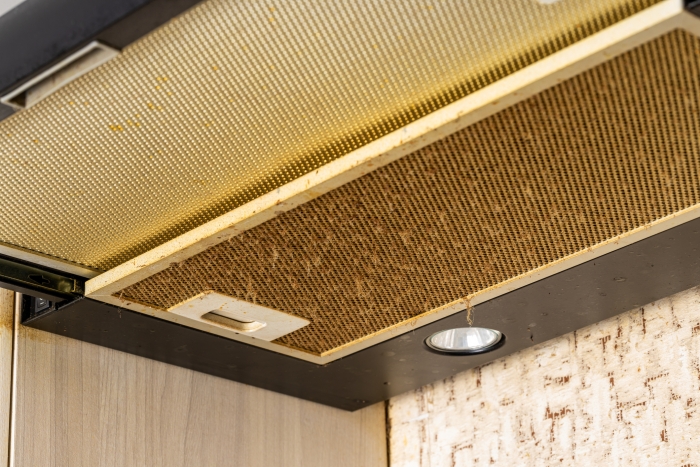
- Clean filters monthly. Greasy filters cannot trap vapor.
- Wipe the cabinet faces every Sunday with warm, soapy water.
- Use splatter screens on pans. They block oil mist.
- Keep a small spray bottle with diluted dish soap near the stove.

Troubleshooting tough stains, yellowing, and odors
Some stains need extra steps. Do not panic. Work slowly and test first.
- Yellowing on white paint: Try a stronger dish soap mix and longer dwell time. Avoid bleach on paint. It can dull the finish.
- Smoke or curry stains: Use an alkaline cleaner, then rinse twice. Odors fade after a proper cleaning and good airflow.
- Sticky edges and grooves: Use a gel degreaser with a small brush. Let it sit. Wipe and rinse well.
- Hairline cracks in finish: Do not soak. Clean, dry, and consider a touch-up kit.
These steps sharpen your approach to how to remove grease from cabinets above the stove when the mess is old and stubborn.
Mistakes to avoid and what to do instead
A few common errors make grease removal harder. Skip them, and your job is easier.
- Do not use steel wool. It scratches and traps dirt. Use a soft sponge.
- Do not floodthe wood with water. Use a damp cloth and dry fast.
- Do not mix cleaners at random. Some blends make fumes or residue. Keep it simple.
- Do not rush the dwell time. Let cleaners work for a minute or two.
If you keep these in mind, removing grease from cabinets above the stove stays safe and simple.
A quick case study from my client work
A client had thick, sticky grease above a gas range. The cabinets were painted maple with a satin finish. Regular wipes failed for years.
I tested three steps. First, warm soapy water plus dwell time. Second, baking soda paste with a soft sponge. Third, a brief pass with mineral spirits on the worst tar spots, followed by a damp wipe and fast dry. The finish looked new, and this method proved again how to remove grease from cabinets above the stove with low risk and strong results.
Frequently Asked Questions
What is the safest cleaner for most cabinet finishes?
Warm water with a few drops of grease-cutting dish soap is safe and effective. It handles daily film without harming paint, wood, or laminate.
Can vinegar remove heavy grease from cabinets?
Vinegar helps rinse and remove soap residue, but it is weak against heavy grease. Use it after a soap wash, not as the main degreaser.
How often should I clean cabinets above the stove?
Do a light wipe weekly and a deeper clean monthly. If you fry often, increase the frequency to prevent buildup.
Will baking soda scratch my cabinets?
Baking soda is a very mild abrasive. Use a soft sponge, light pressure, and rinse well to protect the finish.
Are commercial degreasers safe on wood cabinets?
Many water-based alkaline degreasers are safe when diluted and tested first. Always read the label and avoid harsh solvents on bare or damaged wood.
Conclusion
Grease on cabinets builds up fast, but the fix is simple. Use warm, soapy water, gentle scrubbing power, and a quick rinse and dry. Add a weekly wipe and a good range hood routine to keep the shine.
You now know how to remove grease from the cabinets above the stove with confidence. Try the quick method today, then schedule your monthly deep clean.
Pingback: How To Install A Wood Burning Stove: Pro Tips For 2026
Pingback: How To Change Clock On GE Stove: Quick Guide 2026
Pingback: Is Bathroom Sink Water Safe To Drink : Safety Facts & Tips
Pingback: How To Change Clock On GE Stove: Quick Guide 2026
Pingback: How To Install A Wood Burning Stove: Pro Tips For 2026