
Turn off heat, let it cool, ventilate, then gently scrape and lift residue.
If you came here in a panic, breathe. I’ve handled many melted mishaps, from plastic spoons on gas grates to lunch containers fused to glass tops. This guide shows you how to get melted plastic off stove fast, safe, and without scratches. You’ll learn proven steps for any stove type, smart tools to use, and mistakes to avoid. By the end, you’ll know exactly how to get melted plastic off stove with confidence and keep your kitchen safe.
Safety first: stop fumes and stabilize the area
Melted plastic can release bad fumes. Shut off the burner and unplug electric stoves. Open windows and run the hood fan.
Wait until the surface is fully cool to the touch. Put on gloves and a mask if you smell burnt plastic. Keep kids and pets out of the kitchen.
If plastic is still soft, do not heat it more. More heat makes more fumes. Always work in fresh air.

Know your stove surface before you start
Your method depends on the stove type. The wrong tool can scratch or break parts. Check your manual if you can.
- Gas stove: grates and burner caps can be lifted and soaked.
- Electric coil: coils can be lifted, but avoid bending contacts.
- Glass or ceramic top: needs gentle tools to avoid scratches.
- Induction: a glass top with induction tech; treat like glass.
When you ask how to get melted plastic off stove, the first step is to match the method to the surface. This lowers risk and speeds things up.

Tools and supplies that work
You do not need harsh chemicals for how to get melted plastic off stove. Most fixes use simple tools and pantry items.
- Plastic scraper or old credit card for gentle lifting.
- Single-edge razor for glass tops only, used at a shallow angle.
- Ice cubes or an ice pack to harden soft plastic.
- Baking soda and water to make a mild paste.
- White vinegar or warm soapy water for clean-up.
- Microfiber cloths and paper towels for residue.
- Cotton swabs for tight spots.
- Mask and nitrile gloves for safety.
Skip gasoline, paint thinner, or strong solvents on hot surfaces. They are flammable and can harm coatings.

Step-by-step methods by stove type
Getting clear on how to get melted plastic off stove starts with the right steps. Use the path that fits your stove.
Gas stove: grates and burner caps
- Lift off the grate and burner cap. If plastic is on these parts, place them in the sink.
- For thick gunk, chill the plastic first. Press an ice pack on it for 5 minutes. It turns brittle and lifts more easily.
- Use a plastic scraper to pop off big pieces. Wipe with warm, soapy water. Use a baking soda paste for any film.
- If plastic drips on the cooktop base, do the same with ice and a scraper. Keep water away from gas ports.
Personal tip: I once saved a cast-iron grate by soaking it in hot, soapy water after scraping. The last film wiped right off.
Electric coil burners
- Lift the coil slightly at the edge and pull straight out. Do not twist the contacts.
- If plastic is fused to the coil, place the coil on a protected surface. Chill with ice, then flake off with a plastic scraper.
- Wipe with a damp cloth. Fully dry the coil before reinstalling.
- If plastic fell on the drip pan, remove it, chill, scrape, and wash.
If you asked how to get melted plastic off stove coils without damage, the ice-first trick is the safest move.
Glass or ceramic cooktops
- Ensure the top is fully cool. Vent the area.
- Hold a single-edge razor at a 30–40 degree angle. Gently shave the plastic off in small passes. Keep the blade flat and steady.
- If the plastic smears, place ice on it for 5 minutes. Then resume shaving.
- Clean with a baking soda paste and a soft cloth. Wipe with vinegar for a streak-free shine.
I’ve used the razor method many times. The key is light pressure and short strokes. Do not dig in.
Induction cooktops
- Treat it like any glass top. Keep the blade very shallow.
- Chill, shave, and clean with a mild paste. Avoid abrasive pads.
- Finish with a glass-top cleaner if you have one.
:max_bytes(150000):strip_icc()/how-to-remove-melted-plastic-5080445_07-7cc511d86cb84a99bda3ccdc7ddcd934.jpg)
Slow and safe: the cold-then-lift method
For many people wondering how to get melted plastic off a stove, cold is your best friend. It makes plastic brittle. Then it snaps off clean.
- Place ice in a bag to avoid drips.
- Hold it on the spot for 3–10 minutes based on thickness.
- Lift the edge with a plastic card. Work around the spot.
This works well on grates, drip pans, and glass tops. It also reduces odors.
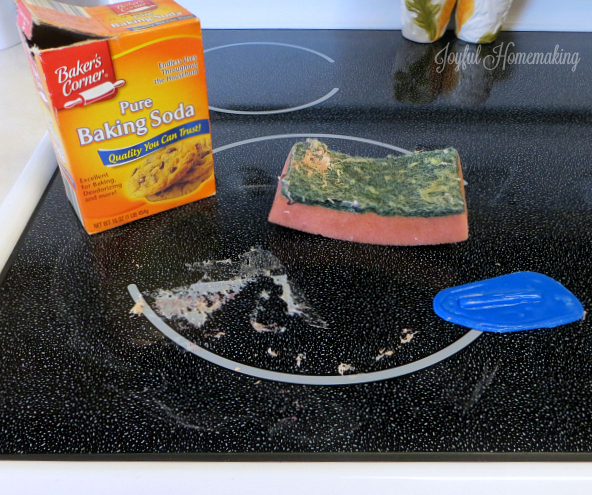
When gentle heat helps (with extreme care)
Sometimes a thin film stays after scraping. A tiny bit of warmth can soften it. But safety comes first.
- Turn the burner on low for 10–20 seconds, then turn it off.
- Let it sit for 30 seconds. Then try to lift the film with a plastic scraper.
- Vent the room. Stop if you smell strong fumes.
This trick is not for large blobs. It is for thin smears only. If you ask how to get melted plastic off a stove without fumes, stick with the cold-then-lift method instead.
Clean-up and odor control
Once the plastic is gone, clean and deodorize. This step keeps the surface safe and fresh.
- Wipe with warm, soapy water to remove residue.
- Use a baking soda paste on stubborn film. Rinse and dry.
- Wipe with white vinegar to cut odor and bring back shine.
- Run the hood fan for 10–15 minutes. Open a window.
If the smell lingers, place a bowl of baking soda on the counter overnight. It absorbs odors.

Mistakes to avoid
When learning how to get melted plastic off a stove, these errors cause damage or more fumes.
- Do not scrape hot plastic with force. You will smear it deeper.
- Do not use steel wool on glass or enamel. It scratches fast.
- Do not pour cold water on hot glass. It can crack.
- Do not use strong solvents near heat sources. Fire risk is real.
- Do not pry up gas ports or bend electric contacts.
How to prevent future plastic mishaps
Prevention is faster than any fix. These small habits work well.
- Keep plastic utensils and bags away from burners.
- Use silicone or wood tools near heat.
- Check that pot handles are not over a live burner.
- Use burner covers or a spoon rest to avoid contact.
- Turn off unused burners while you cook.
If you came here to learn how to get melted plastic off the stove today, leave with a plan to avoid it next time.
Real-world notes from the field
I’ve cleaned dozens of stoves in rentals and busy homes. The biggest win is patience. Rushing leads to scratches and streaks.
The ice trick solves most jobs. A razor on glass tops handles the rest. If the surface is rare or high-end, I check the manual or call the maker first.
People often ask how to get melted plastic off stove fast. The fast way is the careful way. Vent, cool, lift, and only then clean.
When to call the manufacturer or a pro
If a glass top is cracked or chipped, stop. Do not use the stove. Call the maker for the next steps.
If plastic melted inside a burner assembly, or you see heat damage to wiring or seals, get a tech. For warranty stoves, use approved service.
When you are unsure how to get melted plastic off the stove without risk, a quick call can save the surface and your warranty.
SEO checklist: best practices for how to get melted plastic off the stove
If you are searching for how to get melted plastic off a stove, you want steps that work. Here is a quick recap for quality results.
- Identify the stove type first.
- Vent, cool fully, and protect yourself.
- Use ice to harden, then lift with a plastic scraper.
- On glass, use a razor at a shallow angle.
- Clean with baking soda and vinegar. Avoid harsh solvents.
I’ve refined these steps over many fixes. They are safe, clear, and work on all common stove types. This is the sure path for how to get melted plastic off the stove without stress.
Frequently Asked Questions
Can I turn on the burner to melt the plastic and wipe it off?
Avoid this. Heating plastic releases fumes and can smear the mess. Cool, then lift with ice and a scraper.
Is it safe to use a razor blade on a glass cooktop?
Yes, if you keep the blade very flat and use light pressure. Use short strokes and clean as you go.
Will vinegar dissolve melted plastic?
No, vinegar will not dissolve plastic. Use vinegar after scraping to remove residue and odors.
Can I use acetone or nail polish remover?
Avoid harsh solvents near heat or open flames. They can damage finishes and pose fire risks.
What if the plastic is stuck in gas ports?
Do not poke the ports with hard tools. Gently lift what you can, then call a pro if ports are blocked.
How long should I chill the plastic before scraping?
Usually 5 to 10 minutes with an ice pack works. Thicker blobs may need a bit longer.
Is the stove safe to use right after cleaning?
Yes, once all plastic is removed and the area is dry. Run the hood fan for a few minutes on the first use.
Conclusion
A melted plastic mishap feels scary, but it is fixable. Vent the room, cool the surface, harden the plastic with ice, and lift gently. On glass, use a shallow razor and a soft touch. Finish with a mild, clean, and simple odor control.
You now know how to get melted plastic off the stove safely and simply.
Pingback: How To Remove Grease From Cabinets Above Stove: Quick Fixes