
FIP means Female Iron Pipe — a female-threaded NPT connection used on pipe fittings.
If you have ever stared at a fitting and wondered what does fip mean in plumbing, you’re not alone. I’ve worked with FIP fittings for years on water heaters, gas lines, and shower arms. In this guide, I’ll break down what does fip mean in plumbing, how it compares to MIP and NPT, where it’s used, and how to install it right the first time. Clear, friendly, and practical — with pro tips you can use today.

What FIP Means in Plumbing
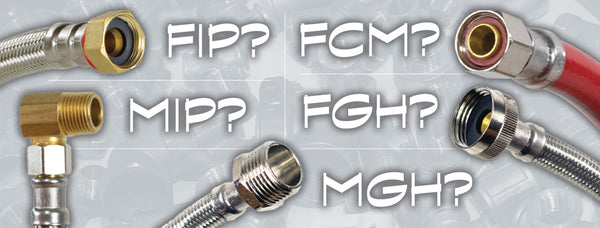
FIP stands for Female Iron Pipe. It refers to an internal, tapered pipe thread that mates with a male thread. In North America, FIP threads follow the NPT standard (National Pipe Taper), which seals by wedging the threads together with a thread sealant. When people ask what does fip mean in plumbing, the simplest answer is a female NPT-threaded opening on a fitting or valve.
You may also see FIPT or FPT. These all mean the same thing in common use: a female, tapered pipe thread. The male counterpart is MIP or MPT. If the fitting is plastic or brass, the acronym still holds. It does not mean the fitting is made of iron; it comes from “iron pipe size.”
FIP vs MIP vs NPT: How They Fit Together
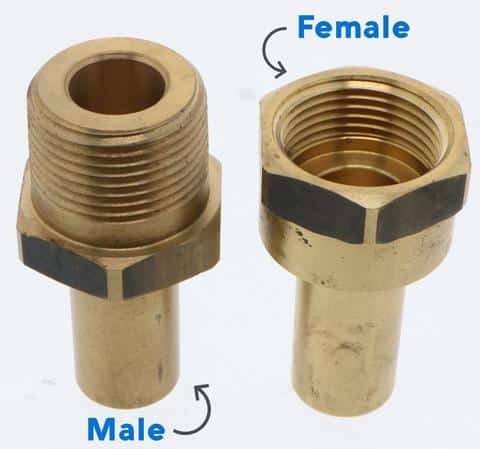
NPT is the thread standard. FIP is the female version of an NPT connection, and MIP is the male version. That is why a 1/2 inch MIP nipple threads into a 1/2 inch FIP elbow. If you’re wondering what does fip mean in plumbing compared to NPT, think of FIP as the gender and NPT as the thread type.
Common points to remember:
- FIP and MIP must be the same nominal size to mate.
- NPT threads are tapered, so they need sealant to seal.
- Do not mix NPT with British pipe threads like BSPT or BSPP.

Where You’ll See FIP Fittings in Real Life
You will spot FIP connections in many places around the home and job site. The classic examples are water heater connections, shower arms, hose bibb bodies, and gas valves. Many stop valves and tees also use FIP ports.
Typical applications where people search what does fip mean in plumbing:
- Water heater nipples and dielectric unions connect with FIP.
- Shower elbows and drop ears have FIP outlets for shower arms.
- Gas appliance valves and black iron fittings use MIP-to-FIP joints.
- Some faucet and supply connectors are marked 1/2 inch FIP.
How to Identify and Size FIP Threads
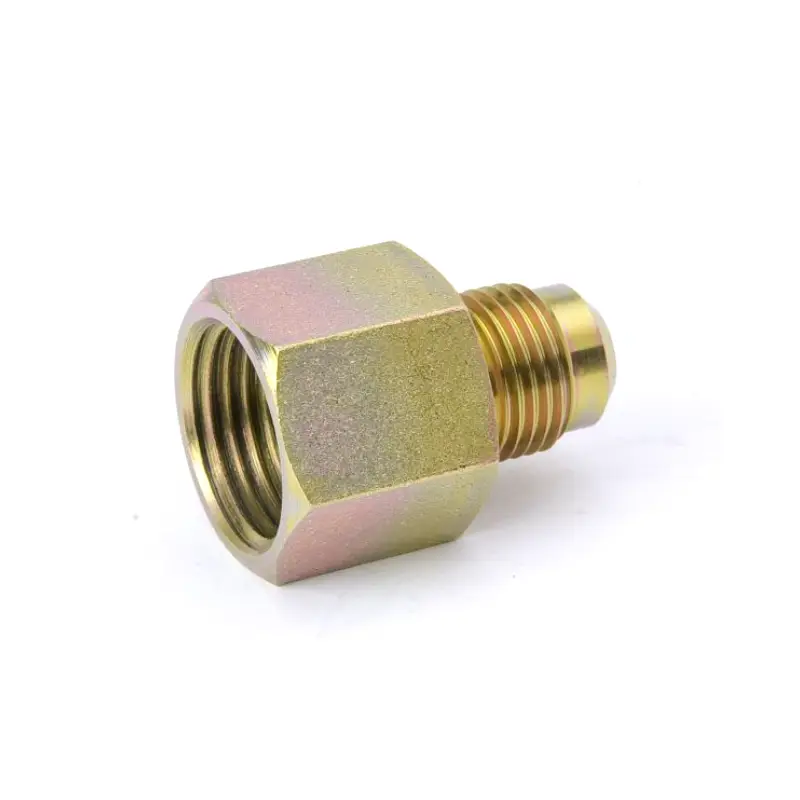
Sizing confuses many DIYers. Pipe sizes are nominal and do not match the actual measurement across the opening. For example, a 1/2 inch NPT female opening measures close to 0.84 inches on the male pipe’s outside diameter.
Tips to confirm FIP size when you ask what does fip mean in plumbing:
- Check the casting or stamp on the fitting for 1/2, 3/4, or 1.
- Use a thread gauge or match to a known MIP nipple.
- FIP is tapered. Straight threads like garden hose (GHT) or NPSM will feel different.
How to Install FIP Connections Step by Step
A good FIP connection is snug, sealed, and not overtightened. I’ve seen many leaks from using the wrong tape or too much torque. Follow these steps, and you’ll avoid callbacks.
Steps:
- Clean the threads. Wipe both male and female threads to remove debris and oil.
- Choose a sealant. Use PTFE tape, pipe dope, or both. Pick a product rated for your job, like gas-rated yellow tape for gas lines or NSF 61-rated for drinking water.
- Wrap or apply sealant. Wrap PTFE tape 2 to 3 turns clockwise on the MIP threads. If using dope, apply a thin, even layer on the male threads.
- Start by hand. Thread the MIP into the FIP by hand to avoid cross-threading.
- Tighten with tools. Turn until snug, then add about 1 to 2 tight turns. Stop if resistance spikes.
- Check for leaks. Pressurize the line and watch. For gas, use a bubble solution.
If you wonder what fip means in plumbing in terms of torque, there is no fixed number for all fittings. Material, size, and sealant change things. Use the hand-tight plus turns rule and good sense.
Common Mistakes and How to Avoid Them
I learned many of these lessons the hard way. A cracked adapter or a hidden drip can waste hours. These tips prevent the most common FIP failures.
Avoid these errors:
- Overtightening plastic or CPVC FIP adapters. They can split days later.
- Using the wrong thread type. NPT to BSP is a no-go.
- Skipping sealant on NPT threads. Tapered threads need a sealant.
- Stacking tape. More tape is not better. Two to three wraps are enough.
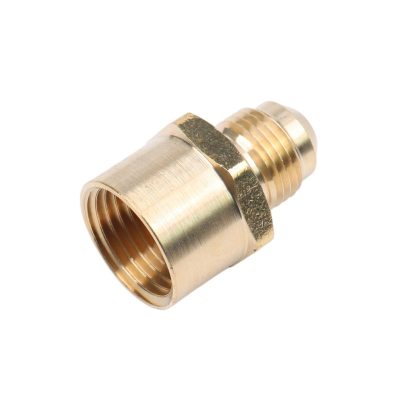
- Mixing compression or flare with FIP methods. Compression and flare do not use tape on the ferrule or flare.
If your question is what does fip mean in plumbing for plastic fittings, it means go easy on torque and use a sealant safe for plastics.

Materials, Ratings, and Code Notes
FIP fittings come in brass, bronze, malleable iron, stainless steel, and plastic. The thread form follows ASME B1.20.1 for NPT. Pressure and temperature ratings depend on material and manufacturer. Always check the spec sheet.
Key notes for anyone asking what does fip mean in plumbing with respect to safety:
- Brass and bronze FIP fittings are common for potable water. Look for lead-free markings.
- Black iron and malleable iron FIP are used in gas piping with proper sealant.
- CPVC and PVC FIP adapters are sensitive to overtightening and thermal cycling.
- Choose sealants rated for the medium: water, gas, steam, or chemicals.

Maintenance, Leaks, and Troubleshooting
A small weep at a FIP connection often points to under-sealing, cross-threading, or a damaged thread. First, check if the leak is at the threads, the joint, or a nearby crack. Then plan your fix.
Troubleshooting steps when you’re thinking what does fip mean in plumbing for repairs:
- Depressurize and disassemble. Inspect threads with a light.
- If threads are nicked or flattened, replace the fitting or nipple.
- Rewrap or re-dope, then reassemble. Do not overtighten to force a seal.
- For gas, always leak-test with an approved solution after any change.
Frequently Asked Questions
What does FIP stand for, and is it the same as FPT?
FIP stands for Female Iron Pipe, and FPT means Female Pipe Thread. In common plumbing use, both refer to female NPT pipe threads.
How does FIP relate to NPT?
NPT is the thread standard, while FIP tells you the gender. A FIP fitting is a female NPT thread and mates with a matching MIP male NPT thread.
Can I connect FIP to BSP threads?
No. NPT and BSP have different thread angles and pitches. Mixing them can leak or damage fittings.
Do I need tape or dope on FIP connections?
Yes. NPT threads seal with tape, dope, or both. Use a product rated for your application and follow the manufacturer’s directions.
What size is a standard shower arm fitting?
Most shower arms are 1/2 inch NPT. The wall elbow or drop-ear typically has a 1/2 inch FIP that the shower arm threads into.
Is FIP only for iron pipe?
No. FIP describes the thread type and gender, not the material. You’ll find brass, stainless, and plastic fittings with FIP threads.
Why does my FIP plastic adapter keep cracking?
It is likely over-torqued or exposed to heat and stress. Use less torque, proper sealant, and consider a metal transition fitting if needed.
What does fip mean in plumbing when shopping for supply lines?
It means the connector has a female NPT end. Match it to a male NPT fitting of the same size or choose the correct compression or specialty end.
Conclusion
FIP means Female Iron Pipe, the female version of NPT threads that seal with tape or dope. Once you understand what does fip mean in plumbing, pairing fittings, picking sealants, and avoiding leaks becomes simple. Take your time, match sizes, use the right sealant, and avoid overtightening.
Use these tips on your next project. Check labels, confirm thread type, and make a clean, leak-free joint. Want more hands-on guides like this? Subscribe and drop your questions in the comments.
Pingback: Fpt Vs Fip: Baseball Metrics Explained For 2026
Pingback: Fpt Vs Fip: Explained For 2026