
Use a plunger, clean the stopper, and clear the P-trap to restore flow.
If your bathroom sink is slow or fully clogged, you can fix it at home with simple tools and safe steps. In this guide, I’ll show you how to fix clogged sink bathroom problems the way plumbers do, with clear steps, pro tips, and mistakes to avoid. You’ll learn what causes clogs, which method to try first, and when to call for help. I’ve solved countless sink backups over the years, and I’ll share what actually works.
What causes a bathroom sink clog
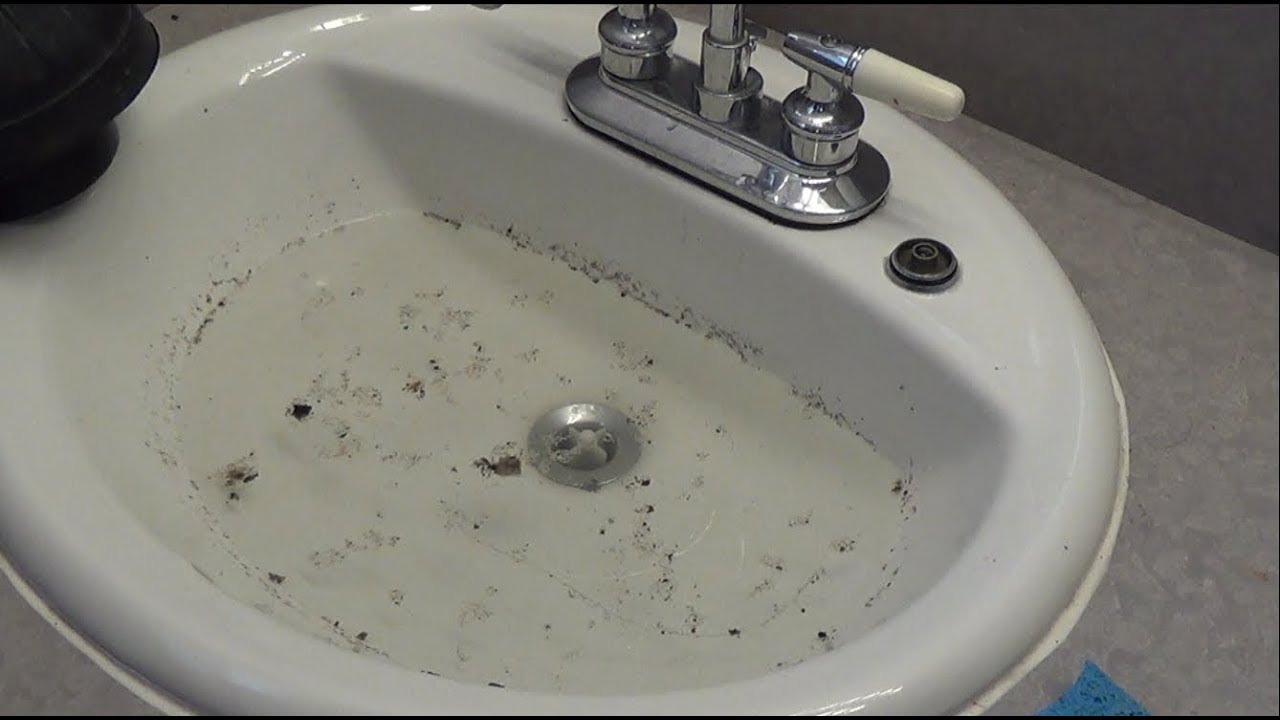
Most bathroom sink clogs build up over time. Hair and soap mix into a sticky paste. Toothpaste, skincare residue, and shaving cream add to the mess. Hard water and biofilm make it worse by forming scale and slime.
Common culprits include:
- Hair and soap scum: The leading cause of slow drains in bathrooms.
- Toothpaste and oils: They set like glue once they dry inside the pipe.
- Pop-up stoppers: Hidden gunk wraps around the stem and blocks flow.
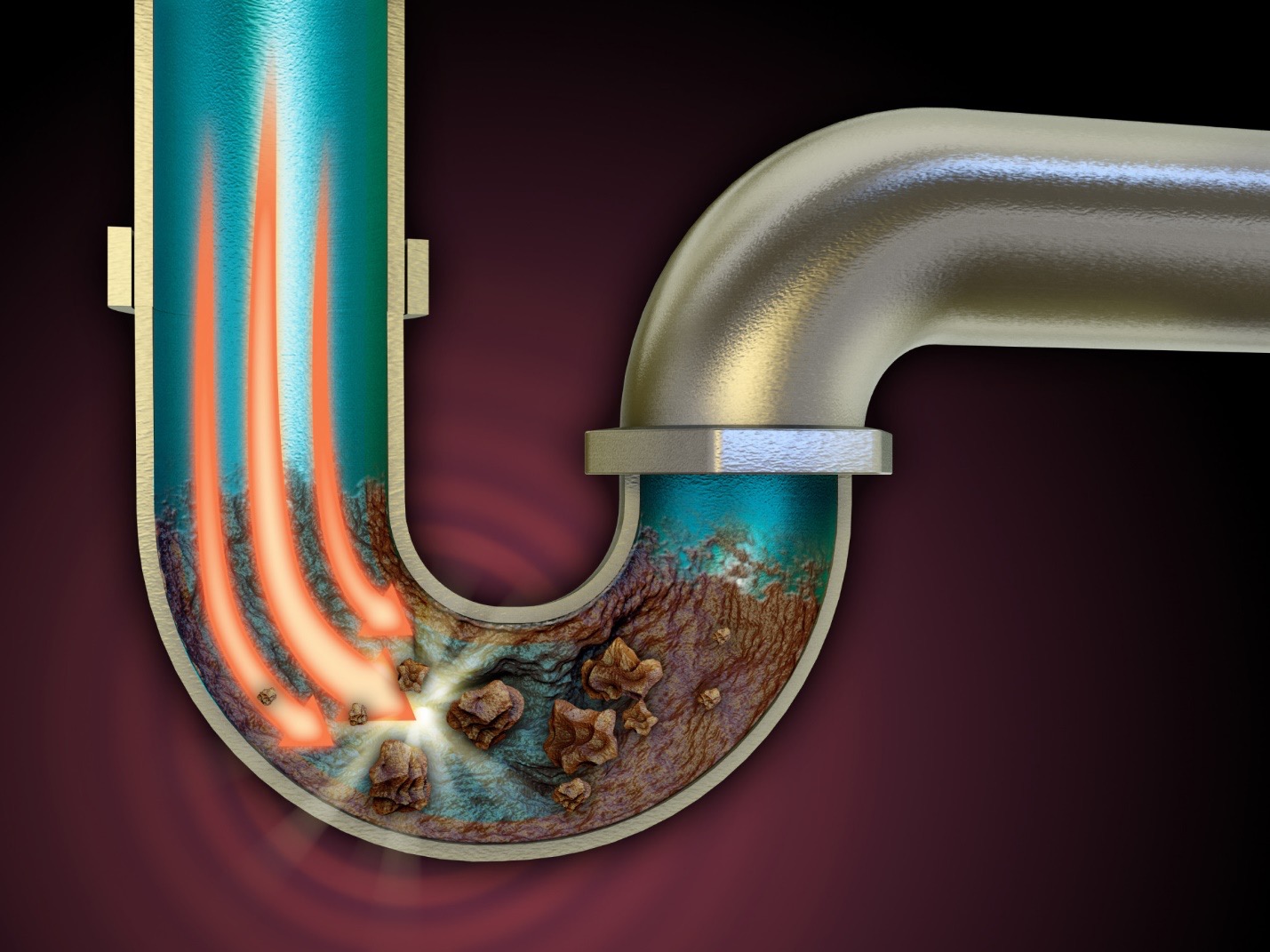
- Jewelry or debris: Small items get trapped in the P-trap.
- Hard water scale: Mineral buildup narrows the drain over months.
If you understand these causes, you can choose the right fix fast. That is the key to how to fix clogged sink bathroom drains the smart way.
Tools and safety checklist
Gather your tools first. This saves time and mess. Lay out a towel under the sink. Set a bucket in place before you open anything.
Helpful tools:
- Cup plunger: The flat-bottom type for sinks.
- Bucket and towels: Catch water and sludge.
- Rubber gloves and eye protection: Stay safe and clean.
- Flashlight or phone light: See behind the bowl and under the sink.
- Channel-lock pliers or adjustable wrench: For slip nuts on the trap.
- Zip strip or plastic hair snake: Great for hair near the drain.
- 1/4-inch drain auger: For deeper clogs in the wall arm.
- Wet/dry vacuum: Can suck out a stubborn plug.
- Enzyme or bacterial drain cleaner: Safe maintenance option.
- Dish soap and hot (not boiling) water: Lubricates and loosens soap scum.
- Teflon tape and replacement washers: In case an old trap washer fails.
Safety notes:
- Do not mix chemicals. Never mix bleach with anything else.
- Avoid boiling water in sinks with PVC drains. Use hot tap water instead.
- If someone used a chemical cleaner, protect your eyes and hands.
This basic kit covers how to fix clogged sink bathroom issues from simple to tough.
:max_bytes(150000):strip_icc()/how-to-unclog-a-kitchen-sink-2718799_sketch_FINAL-6d86f43bcb464f8ca5b61f240c2d8bf9.png)
Step-by-step: how to fix clogged sink bathroom without calling a plumber
Start with the least invasive method. Move step by step. Stop once the sink drains well and no leaks appear.
- Prepare and test
- Run warm water for a few seconds. If it pools fast, shut it off.
- Check the overflow hole near the rim. You will cover it while plunging.
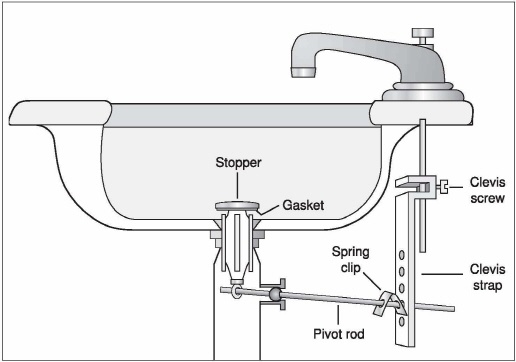
- Remove and clean the stopper
- Under the sink, find the pivot rod. Loosen the small nut on the drain body.
- Pull the rod back. Lift the stopper out from the sink.
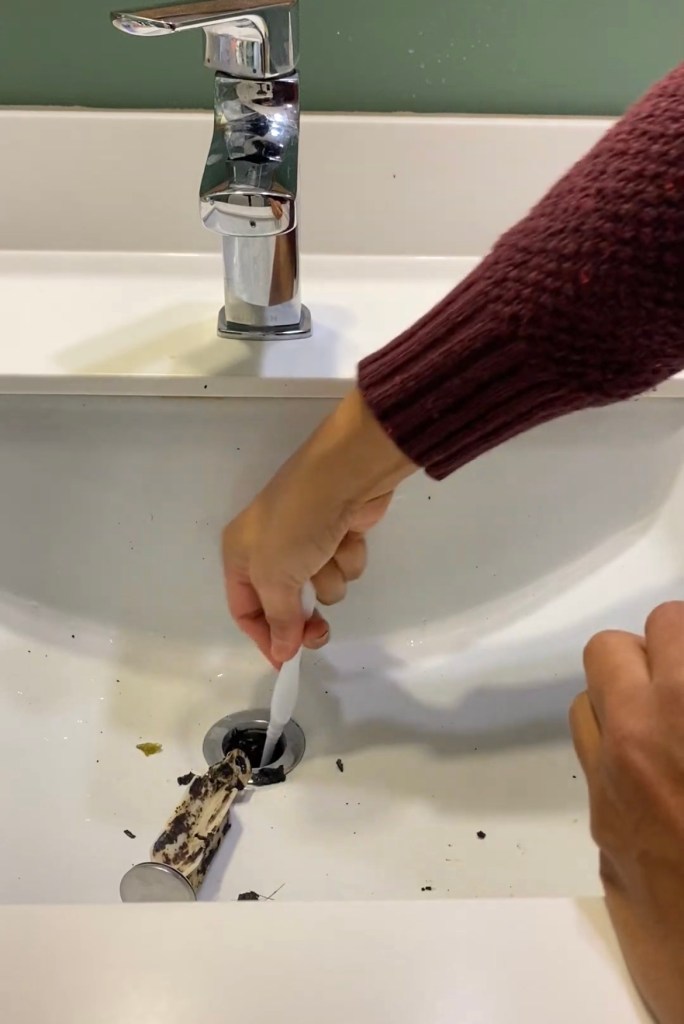
- Clean hair and gunk from the stopper stem. Rinse it. This simple step fixes many clogs.
- Flush with hot water and dish soap
- Squirt a tablespoon of dish soap into the drain.
- Pour a kettle of hot tap water, not boiling, down the drain.
- Wait 5 minutes. This helps break soap scum and lotion build-up.
- Plunge the right way
- Fill the basin with enough water to cover the plunger cup.
- Cover the overflow hole with a wet rag.
- Press the plunger firmly over the drain and pump 15 to 20 times.
- Pull the plunger away fast. Check flow. Repeat twice if needed.
- Use a zip strip or small snake
- Feed the plastic hair snake down the drain.
- Wiggle and twist. Pull out hair clumps.
- Rinse with hot water and test again.
- Clean the P-trap
- Place a bucket under the U-shaped trap.
- Loosen the two slip nuts by hand or with pliers. Support the trap as water spills.
- Remove the trap. Clean out sludge and debris with a brush.
- Check the trap washers. Replace if cracked. Reassemble and hand-tighten. Do not overtighten.
- Run water and inspect for leaks.
- Snake the wall drain (if still slow)
- Remove the trap again. Feed a 1/4-inch auger into the wall pipe.
- Turn the handle clockwise as you push. When you feel resistance, keep turning to bite the clog.
- Pull back, clean the cable, and repeat until the line feels clear.
- Reassemble the trap and test.
- Try a wet/dry vacuum
- Set the vac to wet mode. Seal the hose over the drain.
- Cover the overflow with a wet cloth. Turn the vac on to pull out the clog.
- Use an enzyme cleaner overnight
- If water flows but is still slow, add an enzyme cleaner at night.
- Let it work 6 to 8 hours. Flush with hot water in the morning.
If more than one fixture is slow or you hear gurgling, the problem may be beyond the sink. At that point, how to fix clogged sink bathroom issues may involve the branch line or vent. Consider calling a pro.

Method details and pro tips from experience
Over the years, I learned a few lessons the hard way. They will save you time and mess.
Pro tips:
- Photograph the stopper linkage before you remove it. Reassembly is easier.
- Use a dab of plumber’s grease on the stopper stem. It moves smoother and resists buildup.
- Slip nuts need only snug pressure. Overtightening cracks plastic nuts and compresses washers.
- Protect chrome with a cloth under your pliers. It prevents scratches.
- Cover the overflow when plunging. It doubles your plunging power.
- If you dropped a ring, remove the trap first. Do not run water. Check the bucket for your item.
- Avoid chemical drain cleaners before you work on the trap. Residue can burn skin and eyes.
- If you smell sewer gas after reassembly, check the trap. It must hold water to block odors.
These small habits make how to fix clogged sink bathroom tasks faster, safer, and cleaner.
Should you use baking soda, vinegar, or chemical drain cleaners?
Baking soda and vinegar can help with soap film and odors. They do little against dense hair clogs. Use them as maintenance, not as your only method.
Chemical drain cleaners can work, but they have risks. They can damage old metal pipes, pit finishes, and harm rubber seals. Never mix products, and never use them before you open the trap. If you choose them, follow the label exactly, use gloves and eye protection, and flush well. In most cases, mechanical methods are the better answer for how to fix clogged sink bathroom problems.
Prevent clogs and keep your bathroom sink fast for good
Small habits prevent big clogs. A clean stopper is your first defense.
Easy wins:
- Install a hair catcher. Clean it weekly.
- Rinse the sink with hot water after shaving and brushing.
- Remove and wipe the stopper stem monthly.
- Use an enzyme cleaner once a month at night.
- Limit waxy creams and oils at the sink. Wipe them into a tissue instead.
- If you have hard water, consider a softener or periodic descaling.
These simple steps make how to fix clogged sink bathroom less of a chore and more of a quick check.

When to call a professional plumber
Some signs point to a bigger issue. Save time and protect your home by calling early.
Call a pro if:
- Water backs up in the tub or shower when you run the sink.
- You hear loud gurgles or smell sewage.
- The clog returns within days after a full clean.
- The trap or drain body is corroded, cracked, or leaking.
- You have an older home with galvanized or cast-iron drains.
- There is no easy access or cleanout, or you do not have the right tools.
Expect a pro to clear a typical bathroom line in under an hour. Costs vary by region. You will also get advice on prevention and parts. This is the sensible route when how to fix clogged sink bathroom steps do not hold.

Quick troubleshooting map
Match the symptom and go straight to the fix.
- Water drains but very slowly: Remove and clean the stopper. Flush with hot water and dish soap.
- Standing water that barely moves: Plunge with the overflow covered. Then use a hair snake.
- Fast clog return: Clean the P-trap and inspect washers. Snake the wall arm 6 to 10 feet.
- Gurgling or backups in other fixtures: Likely a branch or vent issue. Call a plumber.
- Leak after reassembly: Reseat washers. Hand-tighten, then a slight nudge with pliers.
Use this map each time you plan how to fix clogged sink bathroom issues quickly.

Frequently Asked Questions of how to fix clogged sink bathroom
What is the fastest way to clear a bathroom sink clog?
Clean the stopper, then plunge with the overflow covered. Most clogs clear within minutes using this combo.
Can I pour boiling water down my bathroom sink?
Avoid boiling water on PVC lines. Use hot tap water instead to prevent damage to plastic pipes and seals.
Do baking soda and vinegar really work?
They help with soap film and smells, but not heavy hair clogs. Use them for maintenance, not as your main fix.
Is a chemical drain cleaner safe for my sink?
It can be risky for old pipes and finishes. If you use one, follow the label, wear protection, and do not mix products.
How do I remove the pop-up stopper?
Loosen the small nut on the drain body under the sink. Pull out the pivot rod, then lift the stopper from the bowl.
When should I call a plumber?
If multiple drains are slow, you smell sewage, or clogs return fast, call a pro. These signs point to a deeper blockage.
Conclusion
You can handle most sink clogs with a few tools and a clear plan. Start simple, work step by step, and stop once the water flows and nothing leaks. That is the heart of how to fix clogged sink bathroom problems with confidence.
Take 10 minutes today to clean your stopper and flush with hot water. It is the easiest way to prevent the next clog.