
Clear it by removing the stopper, pulling hair and gunk, flushing hot water, and cleaning the trap.
If you want to learn how to clear slow draining bathroom sink like a pro, you’re in the right spot. I’ve fixed hundreds of sluggish sinks in rentals and family homes. This guide gives you simple steps, proven tips, and safe methods that work fast without damage.

Why your bathroom sink drains slowly
Hair, soap scum, toothpaste sludge, and skin oils stick to the drain walls. Over time they form a sticky mat. The stopper and P-trap catch most of it. Before you jump into how to clear slow draining bathroom sink, it helps to know what you are up against.
Common causes:
- Hair knots that latch onto the stopper and pivot rod.
- Soap scum and toothpaste forming a paste with hair.
- Hard water scale shrinking the drain opening.
- Small objects like floss, bobby pins, or caps stuck in the trap.
Red flags that point to a bigger issue:
- Gurgling or sewer smells suggest a vent or main line problem.
- Water backing up in other fixtures points past the sink line.
- Brown or rust flecks may signal piping corrosion.
From years on the job, hair plus soap is the main culprit. The good news: it is easy to remove with basic tools.

Tools and supplies you’ll need
A few simple tools will help you master how to clear slow draining bathroom sink at home. You don’t need fancy gear.
Essentials:
- Rubber gloves and old towels for mess control.
- Small flashlight to see the stopper and drain walls.
- Zip drain tool or plastic drain snake for hair grabs.
- Cup plunger for sinks (flat rim).
- Bucket for trap cleaning.
- Adjustable wrench or channel locks for slip nuts.
- Nylon bottle brush or an old toothbrush.
- Enzyme cleaner for routine maintenance.
- White vinegar and baking soda for light buildup.
- Plumber’s putty or silicone grease for stopper reassembly.
Nice to have:
- Hex key set for some stoppers.
- Thin wire or coat hanger (blunt the tip) as a backup snake.
- Teflon tape for re-sealing threads if needed.
Step-by-step: how to clear slow draining bathroom sink, fast
Follow these steps for how to clear slow draining bathroom sink without stress. Start simple. Move to deeper fixes only if needed.
- Flush with hot (not boiling) water
- Run very hot tap water for 2–3 minutes.
- Goal: soften soap scum and loosen light debris.
- Do not pour boiling water into PVC drains. It can soften fittings.
- Remove and clean the stopper
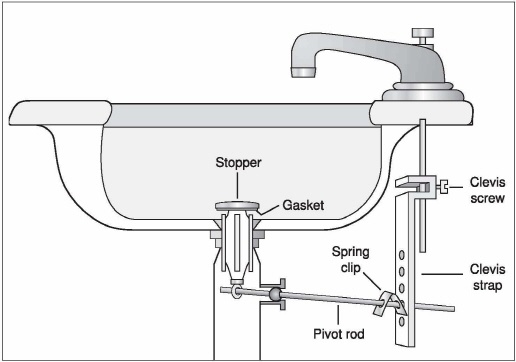
- Lift the stopper. If it won’t pull out, look under the sink.
- Squeeze the spring clip and slide the pivot rod out of the clevis strap. Unscrew the pivot nut if needed.
- Pull the stopper straight up. Clean hair and gunk with a brush. Rinse.
- Reinsert the stopper and rod. Test movement.
- This single step solves how to clear slow draining bathroom sink in many cases.
- Use a drain snake or zip tool
- Feed the plastic zip tool into the drain. Angle toward the back where the stopper rod sits.
- Wiggle, twist, and pull out hair clumps. Repeat several times.
- Run hot water again for 1–2 minutes.
- Try a plunger (block the overflow)
- Wet a rag and jam it into the overflow hole to seal air.
- Fill the sink with a few inches of warm water.
- Plunge with short, strong strokes for 20–30 seconds. Repeat 2–3 sets.
- Remove the rag and flush. This often finishes how to clear slow draining bathroom sink when hair is deeper.
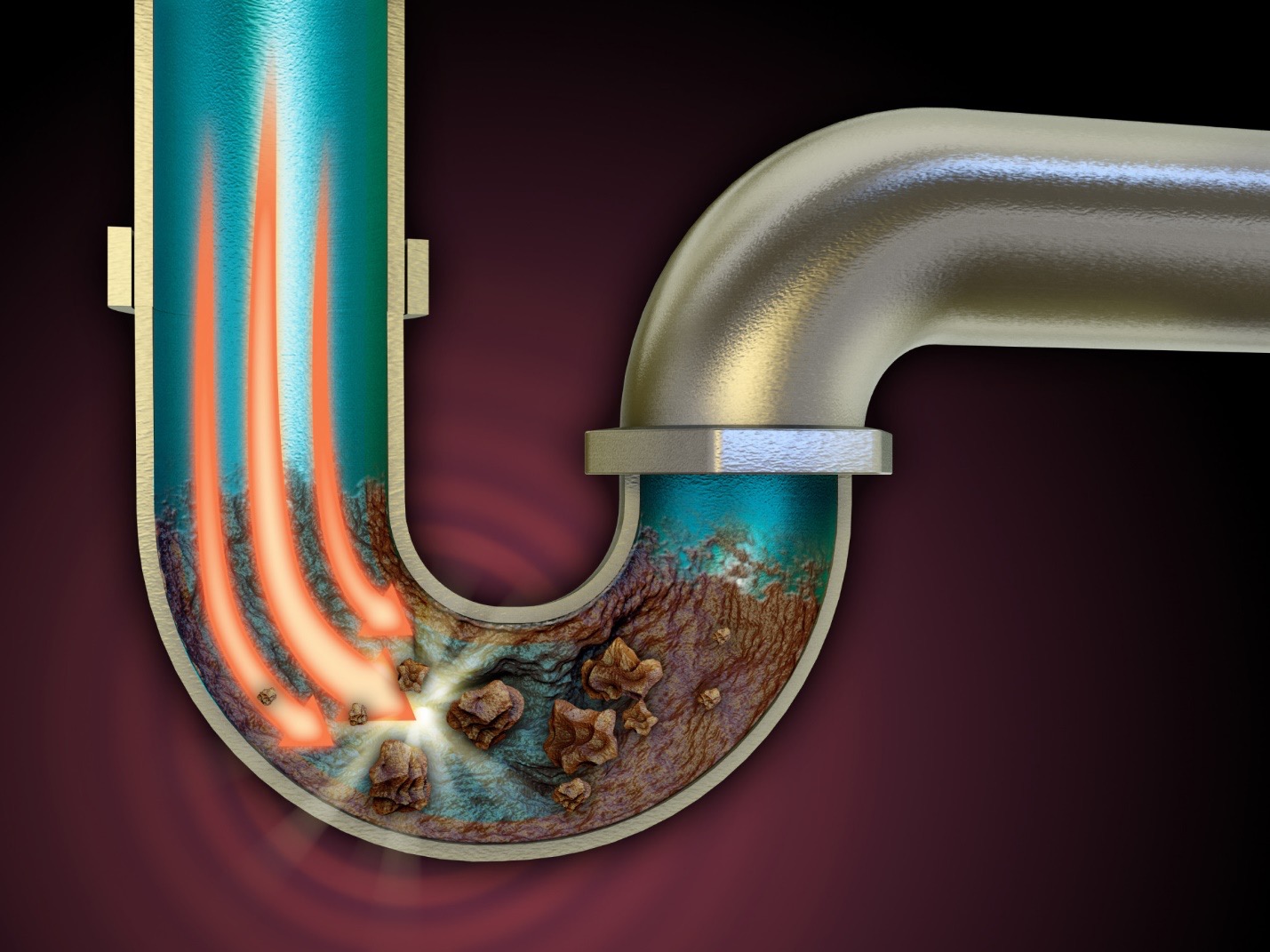
- Clean the P-trap
- Place a bucket under the trap. Loosen the two slip nuts by hand or wrench.
- Remove the trap. Dump the gunk into the bucket. Brush the inside clean.
- Look into the wall pipe (trap arm). If you see buildup, clean with a small brush or snake.
- Reassemble. Hand-tighten, then snug one quarter turn with a wrench. Do not over-tighten.
- Run water and check for leaks. Many techs (me included) solve 80% of slow drains here.
- Use enzyme cleaner for residue
- Enzyme or bacterial cleaners eat organic matter safely. They are great after mechanical clearing.
- Follow the label. Let it sit overnight. Flush with warm water in the morning.
- It is a supportive step in how to clear slow draining bathroom sink when you want a gentle finish.
- Baking soda and vinegar (for light film)
- Pour 1/2 cup baking soda, then 1 cup warm vinegar. Let foam for 10–15 minutes.
- Flush with hot water. This is not for heavy clogs but helps freshen and loosen light scum.
- If the clog keeps returning
- Inspect the stopper adjustment. If it hangs too low, it traps hair faster.
- Check for rough drain surfaces or scale buildup. You may need descaling or a new trap.
- At this point, you have tried the core methods for how to clear slow draining bathroom sink. Consider the pro signs below.
Safety note on chemical drain openers:
- Use only as a last resort. They can damage finishes and some metals, and pose burn risks.
- Never mix with other products. Never open a trap after using chemicals.

Pro tips from the field
Real-world tricks make the job faster and cleaner. These have saved me time in tight spaces.
- Grease the stopper O-ring lightly with silicone grease for smoother action.
- Brush the overflow channel with a bottle brush. Gunk there slows drainage.
- If the pivot rod is pitted or bent, replace it. Hair clings to rough metal.
- Keep a small mirror under the sink. It helps you see the pivot nut and leaks.
- Take a photo before disassembly. Reassembly goes faster.
Use these to sharpen how to clear slow draining bathroom sink without headaches.

When to call a plumber
Most homeowners can handle how to clear slow draining bathroom sink with the steps above. Call a pro if you see:
- Water backs up in the tub or toilet when the sink runs.
- Black sludge or sewage smells keep returning.
- The trap arm or wall pipe is corroded or cracked.
- You hear loud gurgling that hints at a vent issue.
- You used chemicals and still have a clog.
A plumber can run a larger drain snake, inspect vents, and check the branch line. This protects the rest of your plumbing.
:strip_icc()/how-to-clean-a-bathroom-sink-drain-01-c728294c8bee42428afdf3e69f449279.jpg)
Prevention: keep the drain fast all year
Prevention is the real secret behind how to clear slow draining bathroom sink for good. Small habits add up.
Do this monthly:
- Remove and clean the stopper and overflow channel.
- Flush with 2–3 minutes of hot water.
- Use an enzyme cleaner overnight if buildup is common.
Do this daily or weekly:
- Use a hair catcher. Empty it before it overflows.
- Wipe excess toothpaste and hair from the sink instead of rinsing it down.
Do this when remodeling:
- Choose a smoother ABS or PVC trap with a clean interior.
- Consider a lift-and-turn stopper that is easy to clean.
Safety and common mistakes to avoid
Safety matters when you work under a sink. These tips protect you and your plumbing while you handle how to clear slow draining bathroom sink.
- Do not over-tighten slip nuts. You can crack plastic or deform washers.
- Always block the overflow when plunging. Otherwise, air escapes and power drops.
- Wear eye protection when snaking or plunging. Splash happens.
- Test for leaks with dry paper towels under the trap. They show drips fast.
- Never mix cleaners. Vinegar and bleach fumes are dangerous.
Time, cost, and effort
Here is what most people can expect when planning how to clear slow draining bathroom sink.
- Time: 15–45 minutes for stopper and trap cleaning. Add 10 minutes for plunging or snaking.
- Cost: 10–30 dollars for a drain snake, bucket, and gloves. Enzyme cleaner is another 10–15 dollars.
- Effort: Light to moderate. The mess is the hardest part. Towels and a bucket help a lot.

Frequently Asked Questions
What is the fastest way to clear a slow bathroom sink?
Remove the stopper, pull out hair with a zip tool, and flush hot water. If needed, plunge with the overflow blocked.
Is baking soda and vinegar enough to fix the clog?
It helps with light film and odors. For hair or heavy sludge, you need a snake and trap cleaning.
Can boiling water damage my pipes?
Yes, it can soften PVC and harm some seals. Use very hot tap water instead of boiling.
How often should I clean the stopper and trap?
Clean the stopper monthly and the trap every 6–12 months. If you shed a lot of hair, do it more often.
Are chemical drain cleaners safe?
They can work but carry burn and corrosion risks. Try mechanical methods and enzyme cleaners first.
Why does my sink gurgle after it drains?
Gurgling can mean venting issues or a partial blockage downstream. If it persists, call a plumber.
Conclusion
A slow sink rarely needs harsh chemicals or costly service. With a few tools, smart steps, and safe habits, you can restore full flow and keep it that way. Take 30 minutes today to remove the stopper, clear the trap, and flush the line.
Ready to fix yours now? Use this guide, bookmark it for later, and share your results or questions in the comments.
Pingback: How To Decorate A Bedroom For Christmas: Cozy Ideas 2026
Pingback: Is Stainless Steel Dishwasher Safe: Best Guide 2026
Pingback: Is Stainless Steel Dishwasher Safe: Best Guide 2026
Pingback: How Do You Measure A Bathroom Sink: Step-By-Step Guide
Pingback: How To Fix Clogged Sink Bathroom: Quick DIY Guide 2026
Pingback: Is Bathroom Sink Water Safe To Drink : Safety Facts & Tips
Pingback: How to Remove Rust Stains from a Bathtub: Easy Expert Tips