
Use vinegar, lemon, or oxalic cleaner, scrub lightly, rinse well, then dry.
Rust stains look stubborn, but they are easy to beat with the right steps. In this guide, I will show you how to remove rust from bathroom sink surfaces fast and safely. You will learn simple methods, pro tips, and mistakes to avoid. I have cleaned more sinks than I can count, and I will share what actually works at home.
Why rust stains show up in bathroom sinks
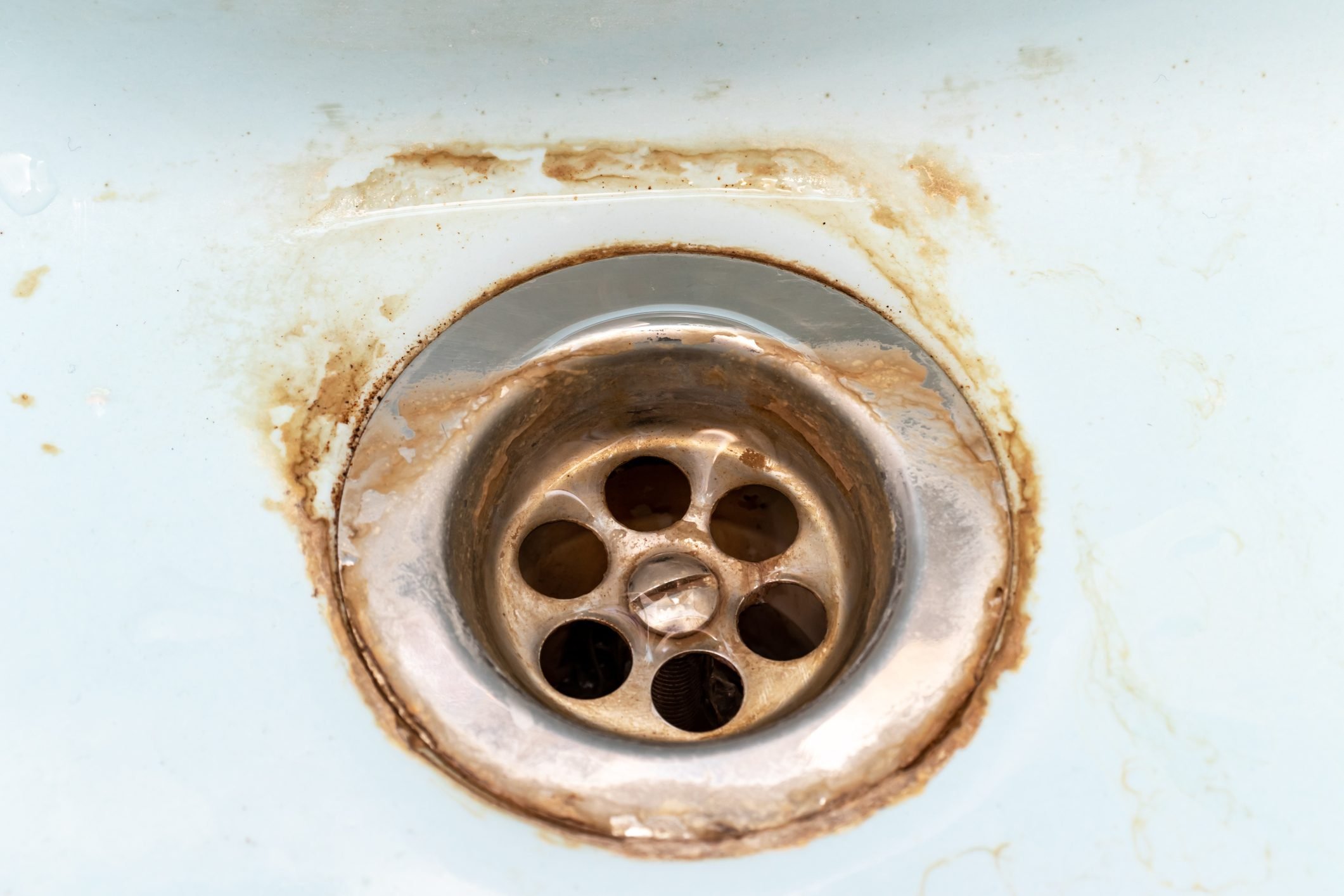
Rust comes from iron and oxygen. In bathrooms, it often comes from hard water with iron, small chips in enamel, or metal cans that sit wet on the rim. Even a tiny nick or an old bolt under the drain can feed stains.
Porcelain and enamel are tough, but they are slightly porous. Rust can settle in those pores and bond. Stainless steel resists rust, but chloride in cleaners and standing water can still cause spots.
Bleach makes rust stains worse. It changes the iron and drives color deeper into the surface. If you want to know how to remove rust from bathroom sink surfaces the right way, skip bleach and use acids or chelators that lift iron without damage.

Tools and materials you will need
Gather a few basics so you do not pause mid-clean.
- Nitrile gloves and eye protection keep you safe from splashes.
- Microfiber cloths handle wiping and buffing without scratches.
- Soft sponge or non-scratch scrub pad helps lift stains.
- Old toothbrush reaches seams and around the drain.
- Pumice stick for porcelain only, used with lots of water.
- White vinegar or lemon juice for light rust removal.
- Baking soda and table salt to make pastes.
- Citric acid powder for faster results than vinegar.
- Oxalic acid cleaner for tough stains. Bar Keepers Friend is a common option.
- CLR or a phosphoric acid gel for rust plus hard water scale.
- Melamine sponge for final polish on enamel.
- Painter’s tape to protect nearby stone or wood trim.
- Carnauba wax or a ceramic spray to seal and prevent new stains.
- Distilled water for a spot-free rinse if you have very hard water.
Work in fresh air and never mix cleaners. Acids plus bleach can make toxic gas. If you want a safe plan for how to remove rust from bathroom sink surfaces, stick to one method at a time and rinse between steps.
Step-by-step: how to remove rust from bathroom sink
Here is a simple plan that works on most sinks. Start gentle. Save strong products for later if needed.
- Prep the area. Clear the sink. Rinse with warm water. Dry so you can see the stain edges.
- Test a small spot. Try your chosen cleaner on a hidden area first.
- Work from mild to strong. Begin with vinegar or lemon. Move up to oxalic cleaners only if needed.
- Rinse and dry between steps. This prevents damage and avoids mixing.
Method 1: Vinegar and baking soda paste
- Make a paste with baking soda and a little white vinegar.
- Spread it over the rust. Let sit 10 to 15 minutes.
- Scrub gently with a soft pad. Rinse well and dry.
This is my go-to when someone asks how to remove rust from bathroom sink stains without harsh chemicals. It is safe and cheap.
Method 2: Lemon or lime with salt
- Sprinkle salt on the stain.
- Squeeze lemon or lime juice over it to wet the area.
- Let sit 10 minutes, then scrub lightly. Rinse and dry.
The acid dissolves rust. The salt adds mild grit. It also smells fresh.
Method 3: Citric acid paste
- Mix citric acid powder with warm water to make a thin paste.
- Apply and wait 5 to 10 minutes.
- Scrub lightly, rinse, then dry.
Citric acid works faster than vinegar. It is still gentle on most sink surfaces.
Method 4: Oxalic acid cleaner for tough stains
- Wet the stain. Sprinkle on an oxalic acid powder cleaner.
- Make a paste on the surface with a damp sponge.
- Wait 1 to 3 minutes. Scrub in circles. Rinse very well and dry.
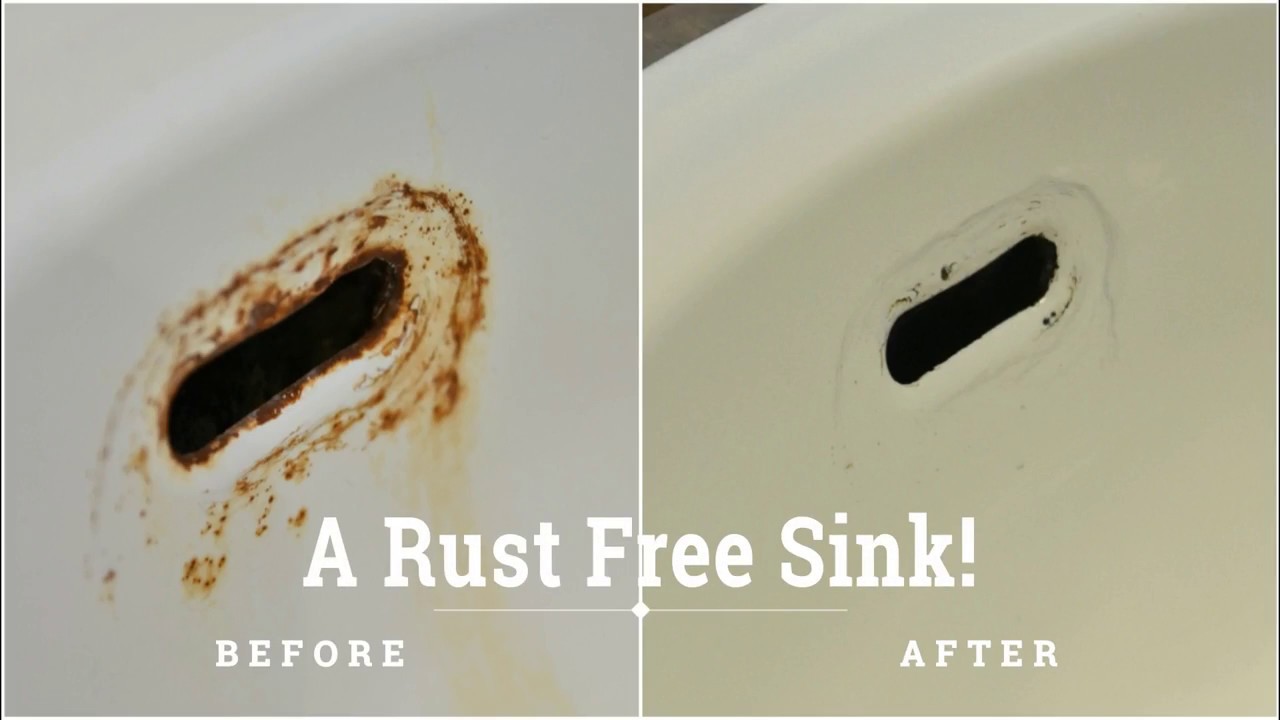
This is the pro answer for heavy rust on enamel or porcelain. It chelates iron so it lifts fast. If you want to master how to remove rust from bathroom sink enamel, this step is the workhorse.
Method 5: CLR or phosphoric gel for rust plus scale
- Apply as a gel to keep it from running.
- Wait 2 to 5 minutes based on the label.
- Scrub lightly, then rinse and dry.
This helps when iron is trapped in hard water deposits around the drain or faucet base.
Method 6: Pumice on porcelain only
- Soak the pumice stick and keep the area wet.
- Rub gently with light pressure only on porcelain or enameled cast iron.
- Rinse often, check progress, and stop as soon as the stain fades.
Never use pumice on stainless steel or solid surface. It will scratch.
Method 7: Melamine sponge for final touch
- Dampen the sponge and rub with light, even strokes.
- Focus on halos left after chemical cleaning.
- Rinse and dry.
Melamine can smooth micro stains without adding new scratches.
Common mistakes to avoid
- Do not use bleach on rust. It sets stains and can pit metal.
- Do not use steel wool. It can leave metal that rusts later.
- Do not mix products. Rinse and dry between methods.
By following these steps, you now know how to remove rust from bathroom sink surfaces with safe, proven methods. Take your time, and let the product sit so it can do the work.
Material-specific tips
Different sink surfaces need slightly different care. Match the method to the material.
Porcelain and enameled cast iron
- Use vinegar, lemon, citric, or oxalic cleaners first.
- Pumice works only if you keep it wet and use light pressure.
- Finish with a wax layer. A tiny coat of carnauba helps repel stains.
Stainless steel
- Use vinegar or citric acid first, then oxalic if needed.
- Scrub in the direction of the grain with a soft pad.
- Rinse well and dry to avoid water spots. No pumice here.
Cultured marble and solid surface
- Stick with vinegar, lemon, or a non-abrasive oxalic cleaner.
- Avoid strong acids and rough pads that can dull the shine.
- Rinse and dry, then add a gentle polish made for the surface.
Natural stone near the sink
- Protect stone with painter’s tape before using acids.
- If you get acid on stone, rinse right away and blot dry.
- Use a stone-safe cleaner only. Seal stone on a regular schedule.
If you ever wonder how to remove rust from bathroom sink materials without risk, start mild and do a test. That one minute prevents hours of fixing damage.

Safety, ventilation, and what not to mix
Cleaning is simple, but safety matters.
- Wear gloves and eye protection when using acids or powders.
- Open a window or run the fan for fresh air.
- Never mix bleach with vinegar, lemon, or any acid. It can make toxic gas.
- Rinse between products. Dry the surface before the next step.
- Keep cleaners away from kids and pets. Store them closed and upright.
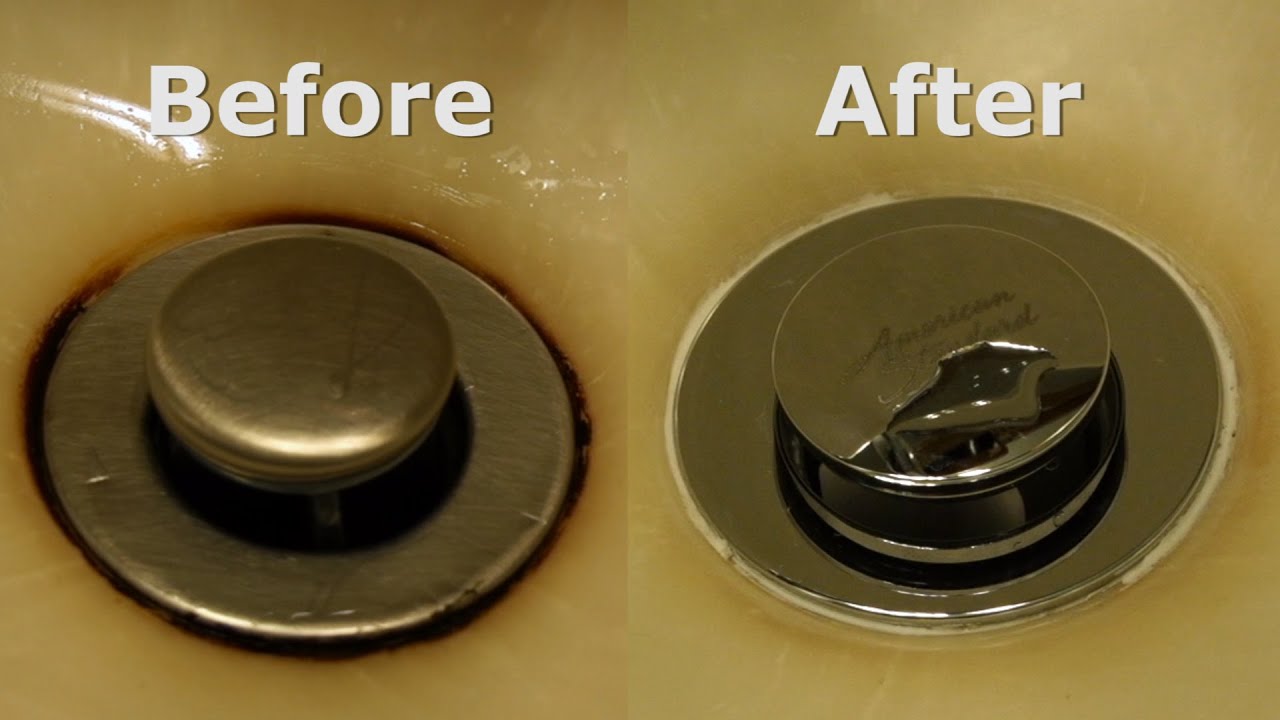
Product labels and safety sheets warn about mixing and contact time. Follow the label each time. This is part of learning how to remove rust from a bathroom sink the safe way.
Prevent rust from coming back
A few habits will keep stains from returning.
- Dry the sink after use. A quick wipe stops iron deposits.
- Keep metal cans and razor holders off the rim. Use a plastic caddy.
- Fix drips. Slow leaks leave rust lines around the drain.
- Clean weekly with a mild cleaner. Skip bleach.
- Seal enamel with a thin coat of carnauba wax every few months.
- If you have well water with iron, consider an iron filter or softener.
- Replace rusty mounting bolts or overflow hardware if they bleed.
Prevention is the best step in removing rust from bathroom sink problems for good. A minute of care beats an hour of scrubbing.

Troubleshooting and when to call a pro
Some stains signal bigger issues.
- Stains that return fast may mean high iron in water. A water test can confirm.
- Blue-green stains with rust can point to corrosion in mixed metals.
- Deep chips in enamel can hold rust. A pro can repair or recoat the surface.
- Pitting or flaking around the drain may mean failing hardware. Replace it.
If you have tried two or three methods and little changes, pause. A plumber or refinisher can check the cause. Knowing how to remove rust from bathroom sink surfaces also means knowing when a repair is needed.
Frequently Asked Questions of how to remove rust from bathroom sink
Will bleach remove rust stains from a sink?
No. Bleach can set rust stains and make them harder to remove. It can also pit metal and damage finishes.
How long should vinegar sit on rust stains?
Start with 10 to 15 minutes. If the stain is heavy, repeat the soak and scrub cycle rather than leaving it for an hour.
Is Bar Keepers Friend safe for porcelain and stainless?
Yes, when used as directed. Make a light paste, scrub gently, then rinse very well and dry.
Can I use WD-40 to remove rust in my sink?
It can loosen rust on metal parts, but it is not a food-safe cleaner for sink bowls. Use vinegar, citric acid, or an oxalic cleaner instead.
Why do rust stains keep coming back?
There may be iron in your water, a drip, or rusty hardware under the drain. Fix the source and add routine drying to stop repeat stains.
How to remove rust from bathroom sink without harsh chemicals?
Use lemon and salt, vinegar and baking soda, or a citric acid paste. Let it sit, scrub lightly, rinse, and dry.
Conclusion
Rust stains are no match for a simple plan. Start mild, give the cleaner time, scrub lightly, rinse well, and dry. With these steps, you know exactly how to remove rust from bathroom sink surfaces and keep them spotless.
Try one method today and see the difference in minutes.
Pingback: How To Clear Slow Draining Bathroom Sink: Quick Fix Guide
Pingback: How To Fix Clogged Sink Bathroom: Quick DIY Guide 2026
Pingback: How to Remove Rust Stains from a Bathtub: Easy Expert Tips