
FPT and FIP both mean female pipe threads for NPT fittings. They are the same.
If you have ever paused at a product page wondering about fpt vs fip, you are not alone. I work with threads and fittings every week, and this mix-up is the top question I see. In this guide, I break down fpt vs fip with clear steps, real job tips, and the exact rules that shops and codes use. You will know what to buy, how to seal it, and how to avoid leaks.

What FPT and FIP Actually Mean
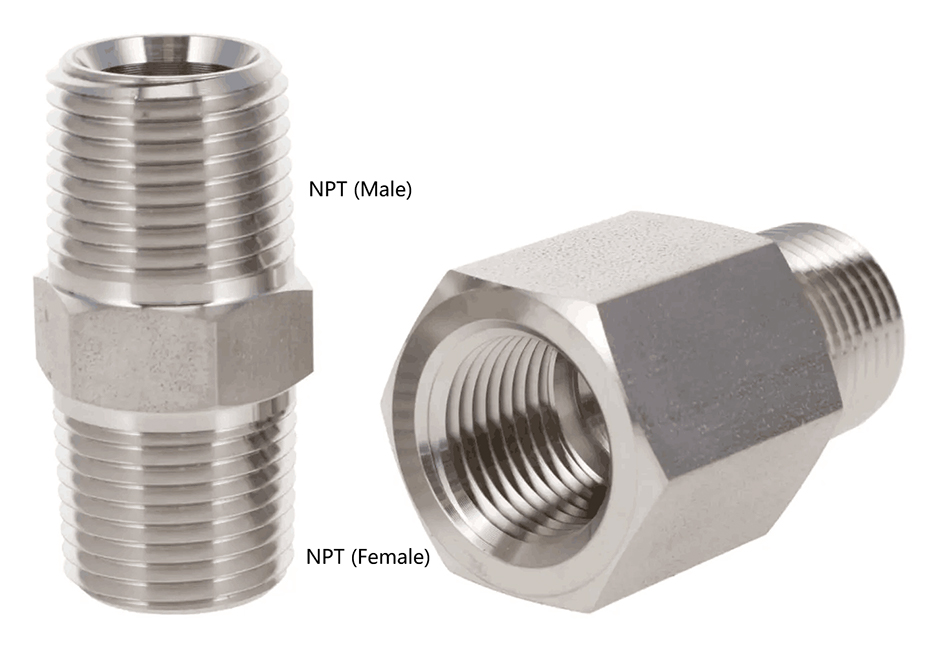
FPT stands for Female Pipe Thread. FIP stands for Female Iron Pipe. In day-to-day use, both point to female NPT threads. They screw onto male NPT fittings.
NPT stands for National Pipe Taper. It is the US standard for tapered pipe threads. Most water, air, and gas systems use NPT.
You may also see FNPT, FIPT, or NPT-F. These labels all mean the same female tapered pipe thread. The fpt vs fip label does not change the thread.

fpt vs fip: Are They the Same?
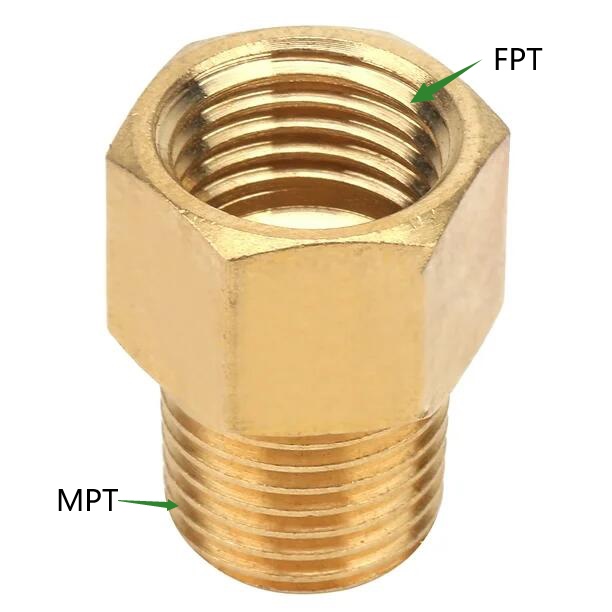
Yes. In practice, fpt vs fip is just different words for the same thing. Both are female NPT. They will mate with MPT or MIP, which both mean male NPT threads.
The only catch is confusion with other thread types. Some parts have straight threads, compression ends, flare, or BSP. Those do not match NPT. When in doubt, look for “NPT” or “FNPT” in the specs.
I have ordered hundreds of fittings for field jobs. If a vendor lists “1/2 inch FIP,” I treat it as 1/2 inch FNPT. I always confirm NPT in the detail page. That simple step has saved many returns.
Key Thread Families You Must Know
Many mix-ups in fpt vs fip come from other thread standards. Here is a fast guide.
- NPT: US tapered thread. Needs sealant. Defined by ASME B1.20.1.
- NPS: US straight pipe thread. Often used with o-rings or gaskets.
- BSPT: British tapered. Looks like NPT but is not the same pitch or angle.
- BSPP: British straight. Needs a gasket or o-ring to seal.
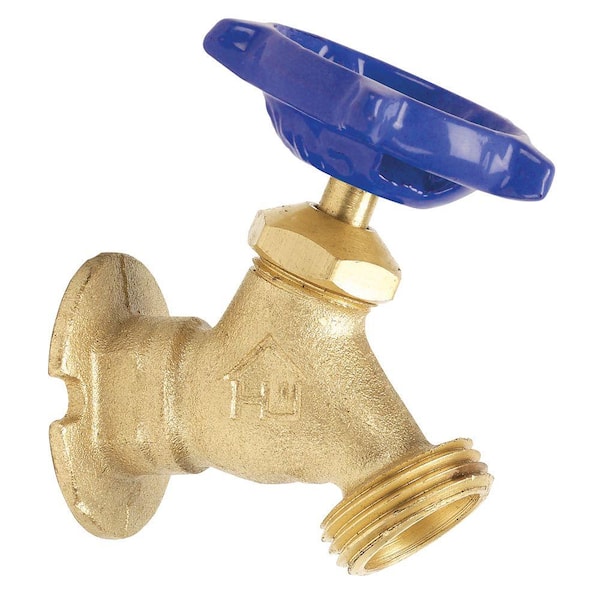
- GHT: Garden hose thread. Larger pitch. Not the same as NPT.
- Flare and compression: These seal on a cone or ferrule. Do not use tape.
If your part says FPT or FIP and also says NPT, you are set. If it says BSP or GHT, do not mix it with NPT. That is the real fpt vs fip trap.

Real-World Use Cases and Tips From the Field
I have used fpt vs fip parts on water heaters, air compressors, and irrigation lines. Here is what works.
- Water heaters: Use FNPT/FIP adapters to flex connectors. Use a good paste plus two or three wraps of tape.
- Air lines: Use brass FNPT couplers on steel pipe. Paste holds up better to vibration than tape alone.
- Gas lines: Use yellow gas PTFE tape or a gas-rated paste. Follow local code and testing rules.
Practical tips that help every time:
- Wrap PTFE tape in the same direction you tighten. That is clockwise on male threads.
- Use two wrenches. Hold the female body and turn the male. It stops twist stress.
- Do not over-tighten. Seat it snug, then add small turns. Test with soapy water for leaks.
These simple steps matter more than the label in the fpt vs fip debate. Good prep beats guesswork.

How to Identify Threads at Home
If a part is not marked, you can check it fast.
- Remove the part and clean the threads.
- Measure the outside diameter of a male thread or the inside of a female thread.
- Count the threads per inch with a small ruler. Line it up and count over one inch.
- Check if the thread is tapered. On NPT, the diameter gets smaller toward the end.
- Test fit with a known NPT piece. It should start by hand for at least two full turns.
If it hand-starts clean and tightens as you go, you likely have NPT. This helps end fpt vs fip confusion during a last-minute store run.

Materials, Ratings, and Sealing Best Practices
The fpt vs fip label does not set the material or rating. The body does. Pick based on fluid, heat, and code.
- Brass: Great for water and air. Easy to seal. Resists corrosion in many homes.
- Stainless steel: Best for harsh fluids or higher heat. Costs more but lasts.
- Galvanized steel: Strong for water, not for gas in many areas. Check code.
- PVC and CPVC: Light and easy. Watch heat and pressure limits. Use a thread-safe paste.
Sealants:
- PTFE tape: Use white for water and air. Use yellow for gas. Two to three wraps are enough.
- Pipe dope: Use a non-hardening, thread-safe paste. Check label for PVC, CPVC, gas, and potable water.
- Do not use tape on flare or compression fittings. They seal on metal faces, not threads.
If you work with oxygen or food-grade lines, use the correct rated sealant. The goal is not just no leaks. It is safe, code-ready work.
Common Mistakes and How to Avoid Them
Avoid these errors that make fpt vs fip feel complex.
- Mixing NPT with BSP. They look close but will leak or crack.
- Using tape on compression or flare. It prevents proper sealing.
- Over-tightening plastic threads. They split days later.
- Wrapping tape the wrong way. It bunches and leaks.
- Using too much sealant. Gobs can block valves and sensors.
- Skipping support. Use hangers so the joint is not the only support.
- Ignoring dissimilar metals. Use a dielectric union when joining copper and steel.
A few minutes of checks beats a weekend of drip hunts.
Buyer’s Guide: How to Read Labels and Product Pages
Online listings add to fpt vs fip confusion. Here is how I scan pages fast.
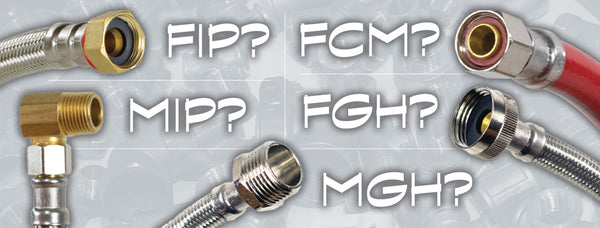
- Look for “FNPT,” “FIP,” “FPT,” “FIPT,” or “NPT-F.” Treat them as female NPT.
- Confirm “NPT” in the specs. If you see “BSP” or “GHT,” stop.
- Match size by nominal pipe size, not exact measure. 1/2 inch NPT is not 0.5 inches on a ruler.
- Check pressure and temperature ratings. Match the system and code.
- Read notes on sealant and approvals. Look for NSF, UL, or gas ratings when needed.
If a page is vague, ask the seller to confirm NPT. That one message can save your project.
Frequently Asked Questions of fpt vs fip
Are FPT and FIP threads compatible?
Yes. FPT and FIP both mean female NPT threads. They mate with MPT or MIP male NPT threads.
Is FPT the same as NPT?
FPT is the female end that uses the NPT standard. So FPT is a type of NPT connection.
Can I mix FPT/FIP with BSP?
No. BSP and NPT differ in angle and pitch. Mixing them risks leaks and damage.
Do I need tape or paste on NPT threads?
Yes. NPT is tapered and needs sealant. Use PTFE tape, thread paste, or both per code and the material.
How do I tell NPT from NPS?
NPT is tapered and tightens as you turn. NPS is straight and often seals with a gasket or o-ring.
What size FPT/FIP do I need?
Match the nominal pipe size of your system. Check the valve or pipe markings, not just a ruler.
Is yellow PTFE tape only for gas?
Yes. Yellow tape is rated for gas. Use white for water and air unless the label says otherwise.
Can I use FPT on plastic and metal alike?
Yes, but adjust torque and sealant. Use paste safe for plastic and avoid over-tightening.
Why did my plastic FNPT crack overnight?
Likely over-tightening or wrong sealant. Back off the torque and use a non-hardening paste.
Are garden hose threads the same as FPT?
No. GHT is a different thread. Use a GHT-to-NPT adapter if needed.
Conclusion
The bottom line in fpt vs fip is simple. They are two names for the same female NPT thread. The real risks come from mixing standards, picking the wrong sealant, or using too much force.
Take a minute to confirm “NPT” on the label, choose the right sealant, and use steady torque. Your joints will seal, pass tests, and stay dry. Want more hands-on guides like this? Subscribe, share your project in the comments, and tell me what thread puzzle to solve next.