
Measure length and width across the rim, bowl depth to the drain, and faucet hole spacing.
If you have ever paused and asked how do you measure a bathroom sink, you are not alone. I have measured hundreds in homes and shops, and small gaps can cause big headaches. In this guide, I break down how do you measure a bathroom sink with clear steps, pro tips, and real checks you can trust. Follow along to get an exact fit the first time.

What You Need Before You Start
Get your tools in one place. A five-minute setup saves you from errors later.
- Tape measure, rigid or with a stiff blade
- Straightedge or ruler, plus a small level
- Carpenter’s square for right angles
- Pencil, painter’s tape, and paper for notes
- Flexible tailor’s tape for curves and ovals
- Cardboard or kraft paper for a quick template
Prep the area. Clear the counter. Wipe the rim and bowl dry. Good contact helps your tape read right. Turn on the room lights so you see the tape marks well. Keep your phone close to snap photos of the tape on key spots.
Identify Your Sink Type And Mount Style
Before you ask how do you measure a bathroom sink, you need to know what kind it is. The mount style changes what you measure.
- Drop-in or self-rimming sits on top of the counter. You measure the rim and the cutout.
- Undermount sits below the counter. You measure the bowl and the cutout, plus the reveal.
- Vessel sits on top like a bowl. You measure diameter, height, and drain location.
- Pedestal has no vanity. You measure the bowl and the wall supply and drain spots.
- Wall-mount hangs on the wall. You measure bracket spacing and rough-in points.
Note the shape. Round, oval, rectangle, square, or organic. Odd shapes call for a template. This step is key when you search how do you measure a bathroom sink in real life jobs.
Step-By-Step: How Do You Measure A Bathroom Sink
Use these steps for most sinks. Take your time. Read twice, write once.
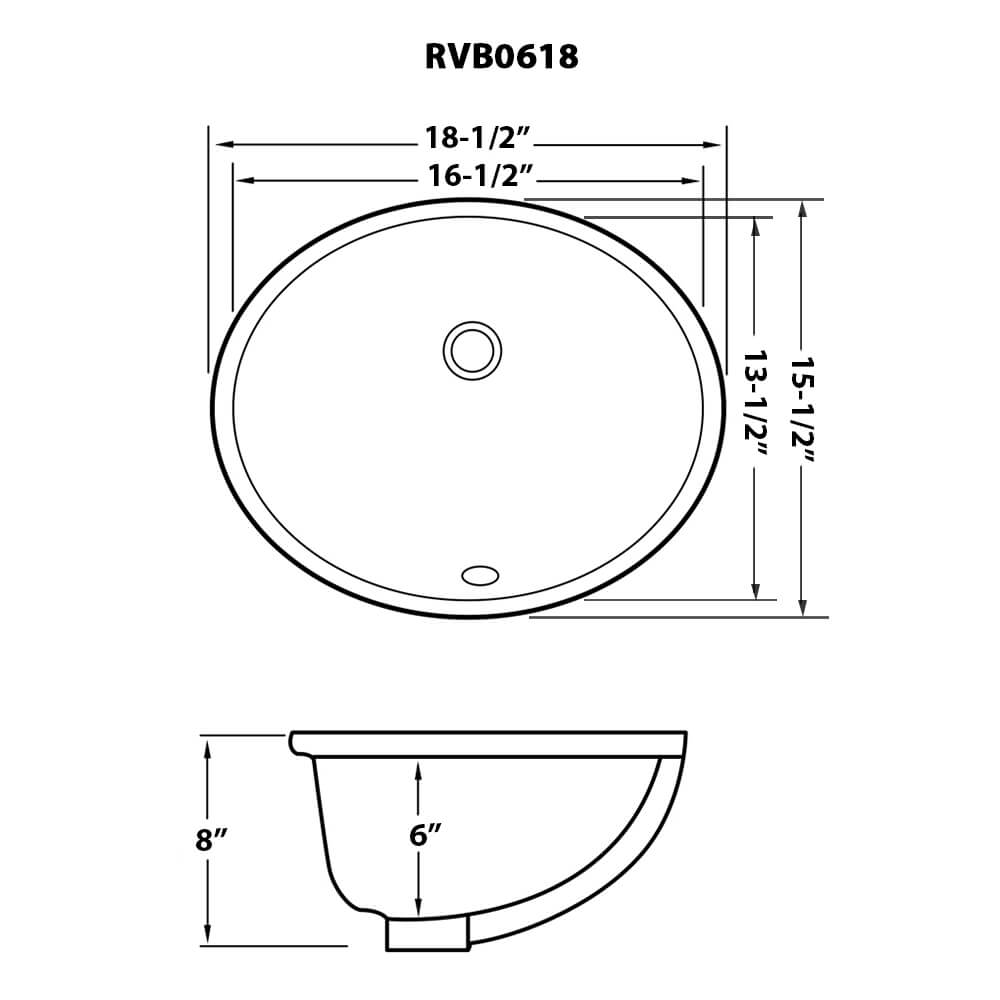
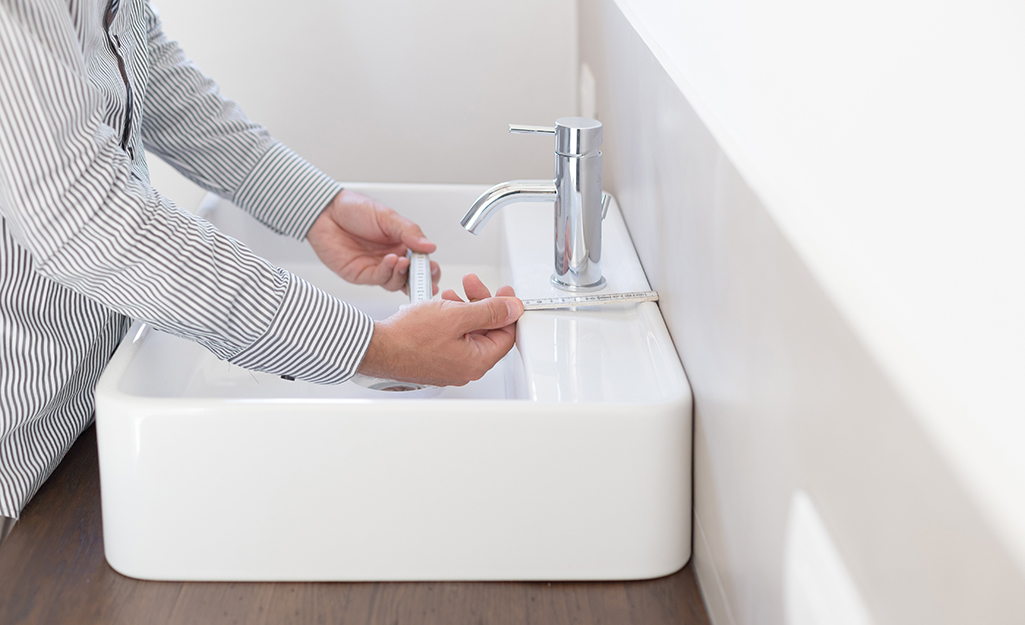
- Measure overall length and width. Hook the tape on the far edge of the rim. Pull to the opposite edge. Write width front to back, and length left to right.
- Measure interior bowl size. Set the tape inside the bowl at the widest points. Record the inner length and inner width.
- Measure bowl depth. Place a straightedge across the rim. Drop the tape down to the deepest point at the drain. Note the number.
- Measure rim width. Check the rim at front, back, and sides. Rims can vary. This matters for drop-in sinks.
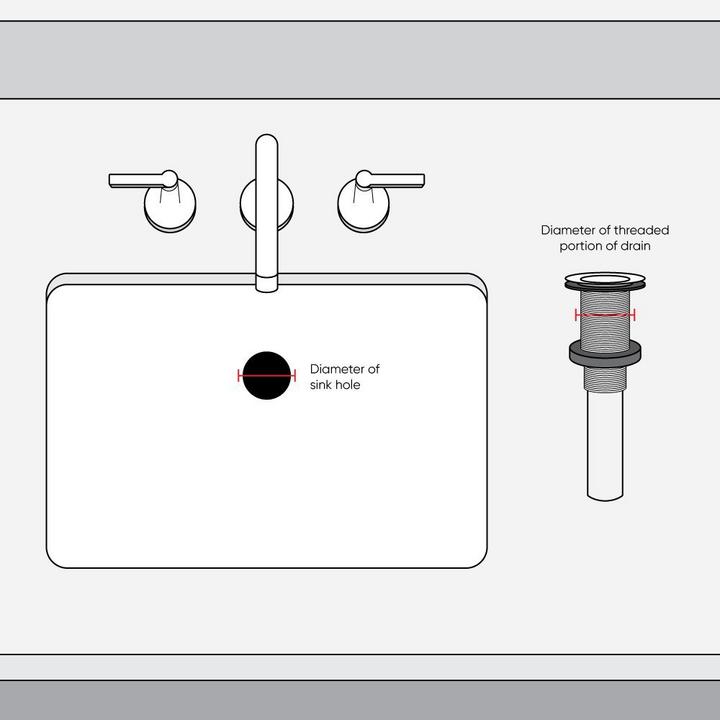
- Measure drain size and location. Most bath drains are 1.25 inches. Check center-to-back distance. This helps with trap fit.
- Check faucet holes. Count them. Measure center-to-center spacing. Most are 4 inches centerset or 8 inches widespread. Measure each hole diameter. Many are near 1.375 inches.
- For round or oval sinks. Measure the widest points across both axes. For a perfect circle, record the diameter. For an oval, record length and width.
- For undermounts. Measure the stone cutout under the counter. Check the reveal. Flush, positive, or negative reveal can change the look by a few millimeters.
- Confirm backset and front overhang. Measure from the drain center to the back rim. Then drain center to the front rim. This affects spout reach and splash.
- Photograph key readings. Take a photo with the tape on the sink. Pics help you avoid digit flips later.
Pro tip from the field: when a client asks how do you measure a bathroom sink with curved sides, I lay painter’s tape along the edge and mark key points. Then I pull those marks off onto paper to create a quick template.
Measure Faucet Holes, Spout Reach, And Extras
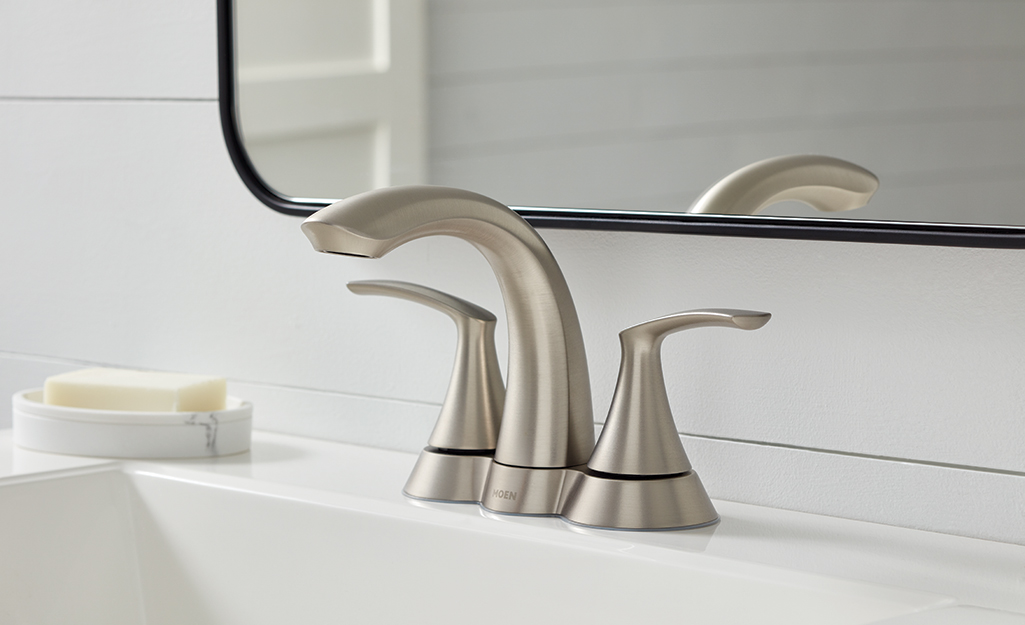
Faucet data is part of how do you measure a bathroom sink. The faucet must land water near the drain center to limit splash.
- Hole count and spacing. One hole, 4 inch centerset, or 8 inch widespread. Write the spacing and hole diameters.
- Deck thickness. Check counter plus sink rim. Many faucets allow a max deck thickness. Thick stone can need an extension kit.
- Spout reach. Measure from faucet center to where water hits the bowl. Aim for the stream near the drain center.
- Handle swing. Check wall, mirror, and backsplash. Make sure handles move free.
- Pop-up rod and accessories. Note space behind the faucet for the rod, soap pump, or sprayer.
These checks keep you from returns and re-drilling. It is a core part of how do you measure a bathroom sink for a clean install.
Countertop Cutout And Vanity Space
If you are replacing a sink, the cutout rules the day. Ask the store for a paper template. Then verify.
- Measure the cutout length and width at the counter top. Measure in several spots. Stone and wood can vary.
- Check front and back edge distances. Keep enough deck in front for strength and comfort.
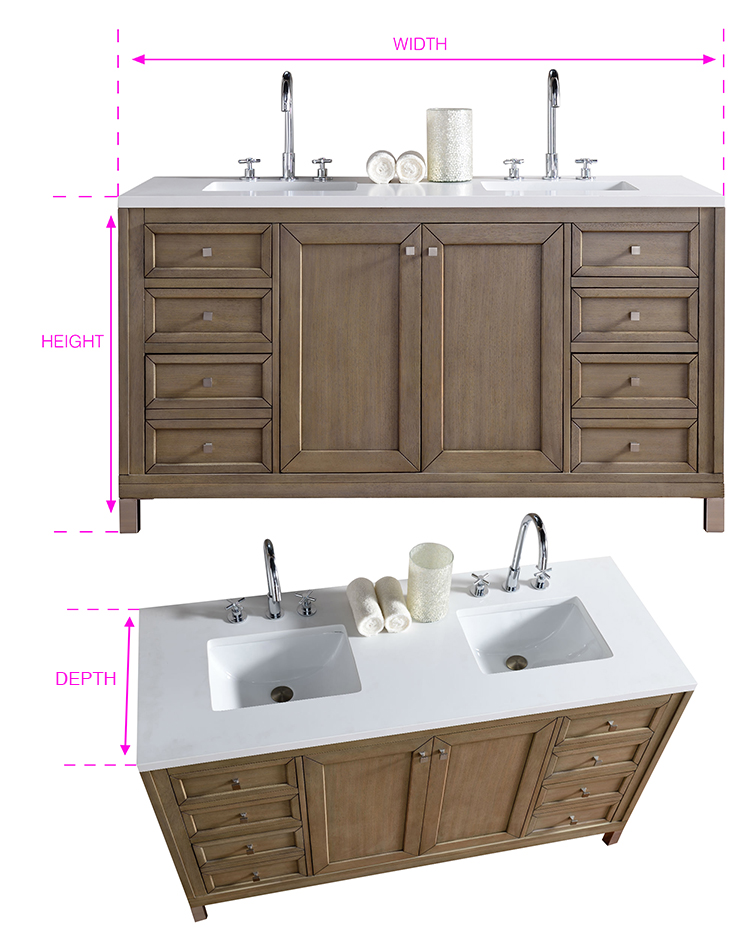
- Confirm cabinet clear space. Open the doors. Measure width, depth, and height for the bowl and trap.
- Map rough-in points. Note supply valves height and spacing. Note drain center height and offset.
- Look at the backsplash. Make sure the faucet and handles clear the wall.
When clients ask how do you measure a bathroom sink to reuse a top, I say this: the cutout is the boss. Match it or plan to modify the top.
Replacement Or New Install: Fit Checks And Codes
Fit checks save money. Codes keep you safe and comfy. Both matter when you ask how do you measure a bathroom sink for a remodel.
- Front clearance. Many codes call for about 21 inches clear space in front of the sink.
- Centerline spacing. Leave about 30 inches from center to center when two fixtures sit side by side.
- ADA checks if needed. Lower counter height, knee room, and clear floor space may apply in some homes or public areas.
- Rough-in norms. Bath drains are often near 18 to 20 inches off the floor to the trap arm center. Supplies often sit near 21 inches high, 8 inches apart on center. Verify on site.
- Weight and support. Large stone or cast iron sinks can be heavy. Add brackets if needed.
Codes vary by place. When in doubt, call your local office. This is part of doing how do you measure a bathroom sink the right way.
Common Mistakes And How To Avoid Them
I have seen the same slips many times. Here is how to dodge them.
- Measuring the rim, not the cutout. For drop-ins, both matter. For undermounts, the cutout is key.
- Ignoring faucet spacing. A 4 inch faucet will not fit 8 inch holes. Check before you buy.
- Forgetting deck thickness. Thick tops can block the faucet nuts.
- Skipping bowl depth. A deep bowl in a small vanity can hit the trap or drawer.
- No photos. A quick photo with the tape is cheap proof. Use it.
When folks ask how do you measure a bathroom sink without stress, I hand them this list first.
Real-World Examples And Pro Tips From The Field
A client had an oval drop-in. The new sink was “the same size” on the box. It was not. The rim was 0.25 inches wider. The cutout stayed the same, so the sink rocked. We used the maker’s template and trimmed the top by 3 millimeters. Rock gone.
Another job moved to an undermount. The old faucet had short reach. We checked spout reach to the drain center. A longer spout fixed splash. This small step is why how do you measure a bathroom sink is more than length and width.
Pro tips:
- Use painter’s tape along edges. Mark centers and edges on the tape.
- Draw a centerline front to back and left to right. Everything lines up from that cross.
- Check diagonal for square. Uneven means the opening is skewed.
- Print the spec sheet at full scale if offered. Lay it on the top to test.

Measurement Checklist You Can Save
Use this list each time you plan or shop. It fits in a pocket.
- Sink type and mount style noted
- Overall length and width recorded
- Bowl length, width, and depth recorded
- Rim widths at front, back, sides recorded
- Drain size and center location recorded
- Faucet hole count, spacing, and hole size recorded
- Spout reach target checked to drain center
- Deck thickness measured
- Countertop cutout measured in several spots
- Cabinet and rough-in space measured
- Photos of key readings taken
Keep this with your receipts. It is a simple way to lock in how do you measure a bathroom sink with no guesswork.
Frequently Asked Questions of how do you measure a bathroom sink
What is the standard size for a bathroom sink?
Common single sinks range from 16 to 24 inches wide and 16 to 23 inches front to back. Depth often lands between 5 and 8 inches inside the bowl.
How do you measure a bathroom sink for a replacement?
First, measure the current countertop cutout and faucet hole layout. Then match those numbers to the new sink’s template and specs.
How do you measure a bathroom sink that is oval?
Measure the longest length and the widest width across the rim. Also measure the bowl depth and the distance from the drain center to the back rim.
How do you measure a bathroom sink faucet spacing?
Count the holes and measure center to center between them. Most bathroom sinks use 4 inches centerset or 8 inches widespread.
How do you measure a bathroom sink for an undermount install?
Measure the stone cutout, the bowl size, and the reveal you want. Check deck thickness and faucet clearance to the backsplash.
How deep should a bathroom sink be?
Most homes do well with 5 to 7 inches of bowl depth. Deeper bowls can splash less but may stress small vanities or traps.
How do you measure a bathroom sink drain size?
Remove the stopper and measure the opening diameter. Most bathroom drains are about 1.25 inches.
Conclusion
You now know how do you measure a bathroom sink with care and speed. Start with type and mount, then record size, bowl depth, faucet holes, and the cutout. Check real space for traps, valves, and reach. Small numbers make a big difference.
Grab a tape, print your checklist, and measure your sink today. When you shop, match your notes to maker templates and specs. If you found this helpful, share it, subscribe for more guides, or drop a question in the comments so I can help with your next project.
Pingback: How To Decorate A Bedroom For Christmas: Cozy Ideas 2026
Pingback: What Wattage Light Bulb For Bedroom: Expert Guide 2026