
Removing rust stains from a bathtub is a common challenge for homeowners and renters. These stubborn marks not only spoil the appearance of your bathroom but can also signal deeper issues, such as water quality or lack of regular maintenance.
Why Rust Stains Form In Bathtubs
Bathtubs are often exposed to water, cleaning products, and air, which together create the perfect conditions for rust stains. The main cause is usually high-iron water or corroded plumbing. When iron in the water reacts with oxygen, it forms rust, which sticks to the tub’s surface, especially if it’s scratched or worn. Even tiny cracks in the enamel or porcelain can trap rust, making it harder to clean.
Common causes of rust stains:
- High iron levels in tap water
- Old or corroded pipes
- Metal objects left in the tub (razor blades, cans, etc.)
- Damaged tub surface (scratches, chips)
- Leaking faucets that drip continuously
Many homes in areas with hard water often experience rust stains. According to the US Geological Survey, nearly 85% of American homes have hard water, which can carry minerals like iron that leave rust deposits.
Types Of Bathtub Materials And Rust Susceptibility
Different bathtub materials react to rust in unique ways. Understanding your tub’s material helps you choose the safest cleaning method.
| Material | Rust Susceptibility | Cleaning Sensitivity |
|---|---|---|
| Porcelain | Medium | Can be scratched by harsh abrasives |
| Enamel-coated Steel | High | The surface can chip easily, exposing the steel underneath |
| Fiberglass | Low | Surface is softer and can dull with strong chemicals |
| Acrylic | Low | Should avoid acetone or strong solvents |
| Ceramic | Medium | The surface is hard but can be stained by rust |
Porcelain and enamel-coated steel are the most common materials for tubs, but also the most likely to show rust stains. Fiberglass and acrylic tubs rarely rust, but mineral stains can still appear.

Credit: www.wikihow.com
Safety Precautions Before Removing Rust
Before you start cleaning, it’s important to protect yourself and your bathtub. Many rust removers contain strong acids or chemicals. Using the wrong method can damage your tub or harm your skin.
Safety tips:
- Wear gloves and old clothes to protect your hands and skin.
- Ventilate the bathroom by opening windows or turning on fans.
- Test cleaners on a small, hidden area first.
- Avoid mixing cleaning products, especially bleach and ammonia, which can produce dangerous fumes.
- Use soft cloths or sponges, never steel wool or wire brushes.
Not all stains need strong chemicals. Sometimes, gentle household products work just as well and are safer.
How To Remove Rust Stains: Step-by-step Methods
Every rust stain is different. The cleaning process depends on the stain’s size, age, and your tub’s material. Here are proven methods for removing rust stains from bathtubs.
1. Using Baking Soda And Vinegar
This method is safe for most tubs, including porcelain, ceramic, and fiberglass.
Steps:
- Wet the stained area.
- Sprinkle baking soda directly onto the rust stain.
- Pour white vinegar over the baking soda. It will fizz.
- Let the mixture sit for 10–20 minutes.
- Scrub gently with a soft sponge.
- Rinse thoroughly with warm water.
Tip: For stubborn stains, repeat the process or let the mixture sit longer.
2. Lemon Juice And Salt
The acidity of lemon juice dissolves rust, while salt acts as a gentle abrasive.
Steps:
- Squeeze lemon juice onto the stain.
- Cover the area with table salt.
- Let it sit for 3–4 hours.
- Scrub gently with a sponge.
- Rinse well.
This method is eco-friendly and doesn’t damage most bathtub surfaces.
3. Commercial Rust Removers
If home remedies don’t work, use a commercial rust remover. These products contain chemicals like oxalic acid or hydrochloric acid.
Steps:
- Read the label and follow instructions carefully.
- Apply the remover to the rust stain.
- Allow it to sit (usually 5–15 minutes).
- Scrub gently.
- Rinse thoroughly.
Important: Commercial removers are strong. Only use them if milder options fail, and always check compatibility with your tub’s material.
4. Cream Of Tartar Paste
Cream of tartar is a mild acid. It works especially well on porcelain and enamel.
Steps:
- Mix cream of tartar with water to form a thick paste.
- Spread the paste on the stain.
- Let it sit for 30 minutes.
- Scrub gently.
- Rinse.
5. Hydrogen Peroxide And Baking Soda
Hydrogen peroxide is a gentle bleach that can lighten rust stains.
Steps:
- Mix hydrogen peroxide and baking soda into a paste.
- Apply to the rust stain.
- Let it sit for 30–60 minutes.
- Scrub lightly.
- Rinse thoroughly.
This method is safe for most materials, but avoid it on acrylic tubs.
6. Using Pumice Stone
Pumice stone works for porcelain tubs but not for acrylic or fiberglass.
Steps:
- Wet the pumice stone and the stained area.
- Gently rub the stone over the stain.
- Rinse and check progress.
Warning: Too much pressure can scratch the tub.
7. Removing Rust From Metal Fixtures
Sometimes, rust comes from metal faucets or drains. Clean these separately:
Steps:
- Use vinegar or lemon juice.
- Scrub with a toothbrush.
- Rinse and dry.
If fixtures are badly corroded, consider replacing them.
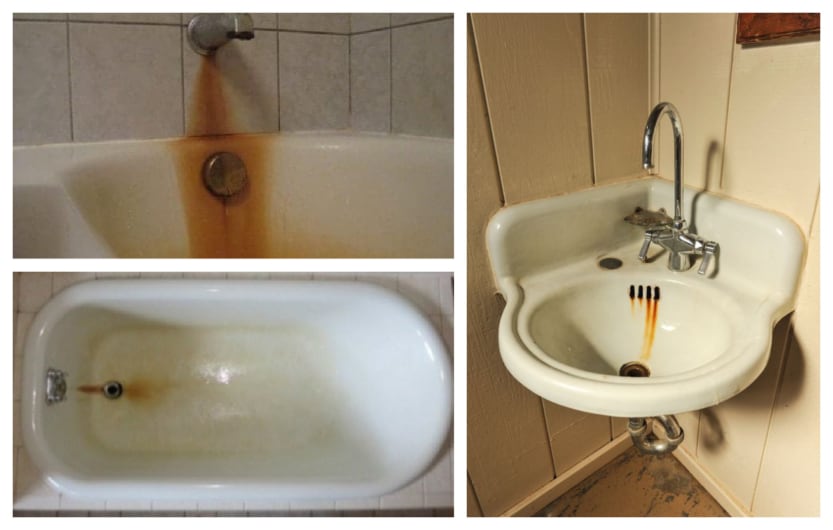
Credit: www.everydaycheapskate.com
Comparing Rust Removal Methods
Choosing the right method depends on stain severity and bathtub material. Here’s a comparison to help you decide:
| Method | Effectiveness | Safety | Suitable Materials |
|---|---|---|---|
| Baking Soda + Vinegar | Moderate | High | Porcelain, Fiberglass, Ceramic |
| Lemon Juice + Salt | Mild | Very High | All |
| Commercial Remover | Strong | Low | Porcelain, Enamel |
| Cream of Tartar Paste | Moderate | High | Porcelain, Enamel |
| Hydrogen Peroxide + Baking Soda | Moderate | Medium | Porcelain, Ceramic |
| Pumice Stone | Strong | Medium | Porcelain |
Non-obvious insight: Many people use steel wool to scrub rust, but this often causes more damage and leaves new rust-prone scratches. Always choose softer scrubbing options.
How To Prevent Rust Stains In Your Bathtub
Once you remove rust stains, preventing new ones is much easier than cleaning again. Here are practical steps:
- Fix leaks quickly. Dripping faucets leave water standing, which encourages rust.
- Avoid leaving metal objects in or near the tub.
- Install a water softener if your water is high in iron or minerals. This can reduce rust formation by up to 80%, according to the Water Quality Association.
- Clean the tub regularly with gentle, non-abrasive cleaners.
- Dry the tub after use. Moisture left behind can react with minerals and cause staining.
- Seal chips and cracks in porcelain or enamel tubs to prevent water from reaching the metal underneath.
Non-obvious insight: Rust stains often start in hidden corners or under faucet edges. Inspect these areas during your cleaning routine.

Credit: www.youtube.com
Dealing With Stubborn Or Deep Rust Stains
Some rust stains are very old or deep, especially if the enamel is damaged. In these cases, standard cleaning might not work.
Options for stubborn stains:
- Repeat cleaning methods several times.
- Try a stronger commercial remover, following safety instructions.
- Consider professional cleaning services for severe cases.
- If the tub is heavily corroded, resurfacing or replacement may be the best solution.
Resurfacing involves applying a new coat of enamel or acrylic over the old surface. This restores the tub’s appearance and protects against future rust.
Environmental And Health Considerations
Many rust removers use acids or chemicals that can harm the environment or your health if not handled properly.
Tips for safer cleaning:
- Choose homemade or eco-friendly cleaners when possible.
- Dispose of cleaning solutions down the drain only if allowed by local regulations.
- Never use rust removers near children or pets.
- Limit use of bleach or strong acids, which can cause skin burns or breathing problems.
Fact: The EPA recommends using natural cleaning methods to reduce indoor air pollution and chemical exposure.
Troubleshooting Common Rust Removal Problems
Sometimes, removing rust stains doesn’t go as planned. Here’s how to troubleshoot:
Problem: The stain won’t fade after cleaning
Solution: Try a different method, let the cleaner sit longer, or repeat the process.
Problem: Tub surface feels rough or scratched
Solution: Stop using abrasive tools. Polish the area with a soft cloth and consider a repair kit.
Problem: Rust returns quickly
Solution: Check for leaks, hard water, or damaged tub surfaces. Prevent by regular maintenance.
Problem: Cleaning leaves, streaks, or residue
Solution: Rinse thoroughly and use a mild detergent after rust removal.
Professional Rust Removal Vs. Diy
Sometimes, hiring a professional is better than trying to remove rust stains yourself, especially for deep or widespread stains.
| Option | Cost Range | Pros | Cons |
|---|---|---|---|
| DIY Cleaning | $5–$30 | Low cost, flexible, immediate | May not work for deep stains, risk of damage |
| Professional Service | $100–$400 | Fast, effective, no risk of damage | Higher cost, need to schedule |
| Resurfacing/Replacement | $350–$1,000+ | Long-term fix, improves appearance | Most expensive, major work |
Tip: For standard stains, DIY cleaning is usually enough. But for deep, old, or widespread rust, professional help saves time and risk.
Real-world Examples And Success Stories
Many people have managed to remove rust stains with simple household products. For example, a homeowner in Ohio used baking soda and vinegar to clean a rust patch caused by an old razor left in the tub. After letting the mixture sit for an hour and scrubbing gently, the stain faded almost completely.
Another renter in California tried lemon juice and salt on a bathtub with rust stains from hard water. After three applications, the tub looked much brighter, and she avoided using harsh chemicals.
These examples show that patience and proper technique are key. Sometimes, results take several tries, but the effort pays off.
Rust Stain Removal For Different Bathtub Types
Different tubs need different care. Here’s how to approach rust removal for each kind:
Porcelain
- Use baking soda, vinegar, cream of tartar, or a pumice stone.
- Avoid strong acids unless stains are very deep.
Enamel-coated Steel
- Try lemon juice and salt, or commercial removers.
- If enamel is chipped, seal after cleaning.
Fiberglass
- Use mild solutions (baking soda, vinegar).
- Avoid abrasive tools.
Acrylic
- Stick to gentle cleaners.
- Never use acetone or strong solvents.
Ceramic
- Use baking soda, hydrogen peroxide, or cream of tartar.
Always check the manufacturer’s care instructions if you’re unsure.
Bathtub Maintenance After Rust Removal
Once you’ve cleaned the rust, keeping your tub clean is easier. Develop a simple routine:
- Clean weekly with a mild cleaner.
- Dry the tub after every use.
- Check for leaks and repair quickly.
- Inspect for new stains or damage monthly.
Maintaining your bathtub regularly prevents stains and extends its life.
Common Mistakes To Avoid
Many people unknowingly make mistakes that worsen rust stains or damage their tubs. Here are some to watch for:
- Using steel wool or wire brushes, which scratch surfaces.
- Ignoring small leaks or drips.
- Applying strong chemicals without checking the tub material.
- Not rinsing cleaners thoroughly.
- Leaving metal objects in the tub.
Avoid these mistakes for a cleaner, longer-lasting bathtub.
Where To Find Reliable Rust Removal Products
Choosing the right product can make a big difference. Look for rust removers at hardware stores, supermarkets, or online. Popular brands include CLR, Bar Keepers Friend, and Iron Out.
For home remedies, baking soda, vinegar, lemon juice, and cream of tartar are easy to find at any grocery store.
To learn more about water quality and rust prevention, visit the EPA’s official water page.
Frequently Asked Questions
What Causes Rust Stains In Bathtubs?
Rust stains are mainly caused by iron in water, corroded pipes, or metal objects left in the tub. When iron reacts with oxygen and moisture, it forms rust, which sticks to tub surfaces.
Are Commercial Rust Removers Safe For All Tubs?
Most commercial rust removers are safe for porcelain and enamel, but not for acrylic or fiberglass. Always check the label and test on a small area first to avoid damage.
How Can I Prevent Rust Stains From Coming Back?
Prevent rust stains by fixing leaks, cleaning regularly, drying the tub after use, and avoiding metal objects in the tub. If your water is high in iron, consider a water softener.
Can I Use Bleach To Remove Rust Stains?
Bleach is not effective for rust stains and can damage some tub surfaces. It’s better to use baking soda, vinegar, lemon juice, or a commercial rust remover designed for rust.
When Should I Call A Professional For Rust Removal?
Call a professional if stains are deep, widespread, or if DIY methods fail. Professionals can clean, resurface, or replace your tub safely and effectively.
Restoring your bathtub from rust stains is not only possible, but often easier than you think with the right methods and a little patience. By understanding the causes, choosing the proper cleaning technique, and following simple maintenance steps, you can keep your bathroom looking fresh and inviting for years.
Remember, prevention is key—fix leaks, avoid metal objects, and clean regularly. If you face tough stains, don’t hesitate to seek professional help. With these tips, your bathtub can stay clean, safe, and rust-free.