
Wrap PTFE tape clockwise around male threads, 3–6 wraps, leaving the first thread bare.
If you want dry joints, less stress, and pro results, keep reading. I’ll show you how to use teflon tape in plumbing with simple steps, pro tips, and real fixes that save time and money. This clear guide comes from years of hands-on installs, repairs, and call-backs I learned to avoid.

What Teflon tape is and why plumbers rely on it
Teflon tape, also called PTFE tape or thread seal tape, helps seal tapered pipe threads. It fills the tiny gaps so water or gas cannot creep through. It also lets fittings tighten smoothly with less galling.
Most home jobs use white PTFE tape for water. Gas work needs yellow gas-rated tape. Knowing how to use teflon tape in plumbing helps stop leaks before they start.
:max_bytes(150000):strip_icc()/how-to-use-teflon-tape-2718712-05-6b58230b5487496394ea91ea83040119.jpg)
Tools and materials you will need
- PTFE tape in the right color for the job
- Clean rag or paper towel
- Small brush or old toothbrush for threads
- Pipe wrench or adjustable wrench
- Pipe dope rated for your system if you plan to combine
Keep things clean and dry. Dirt and oil make tape slip and shred. If you are unsure how to use teflon tape in plumbing for your exact fitting, check the fitting maker’s guide.

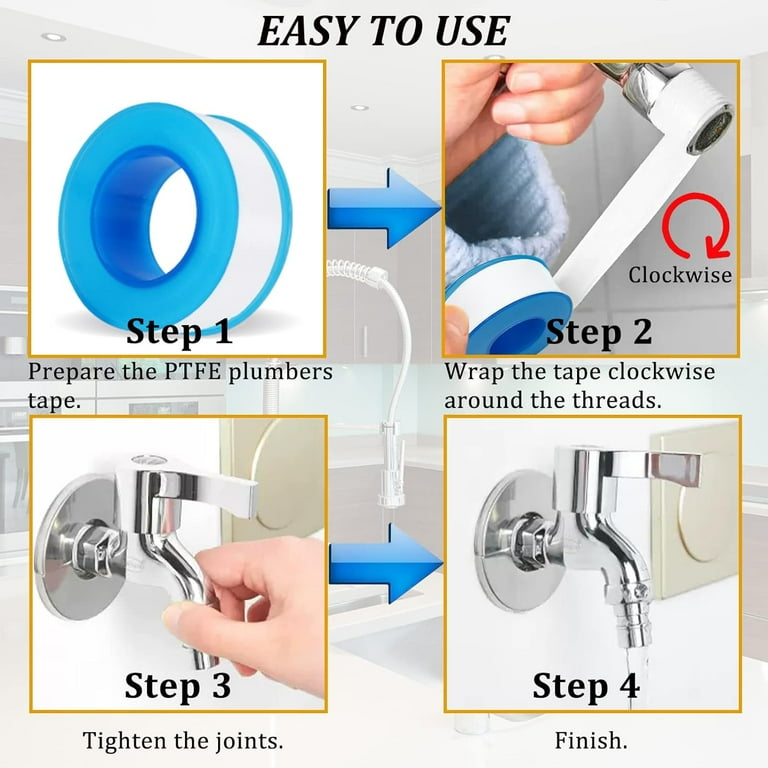
Step-by-step: how to use teflon tape in plumbing like a pro
- Clean the threads. Wipe off grit, old tape, and paste. Use a brush for stubborn bits.
- Check the fitting type. Use tape only on tapered male pipe threads, like NPT.
- Start one thread back. Leave the first thread bare so tape does not shred off.
- Wrap clockwise. Face the pipe end. Wrap in the same direction you will tighten.
- Stretch and smooth. Hold tension so the tape hugs deep into the grooves.
- Wrap 3–6 times. Use 3–4 wraps on small 1/2 inch threads. Use 5–7 wraps on larger sizes.
- Press it down. Smooth the last wrap with your thumb to lock it in place.
- Thread by hand. Start the joint by hand to avoid cross-threading.
- Tighten with a wrench. Snug plus a quarter turn is often enough. Do not overdo it.
- Test for leaks. Turn on water and watch. For gas, use soapy water and look for bubbles.
If you came here to learn how to use teflon tape in plumbing, this simple list is the core. Follow it, and you will stop the most common drips.

Choosing the right PTFE tape: colors, density, and size
- White PTFE tape. For most water lines and general plumbing.
- Yellow PTFE tape. For natural gas or propane, if allowed in your area.
- Pink PTFE tape. Heavy duty for water. Good on larger threads.
- Gray or green PTFE tape. For special uses like stainless or oxygen. Use only if rated.
Use tape that is 1/2 inch wide for small fittings and 3/4 inch for larger ones. Denser tape helps on rough or worn threads. If you still wonder how to use teflon tape in plumbing when threads are old, pick a thicker tape or add one more wrap.

Pro tips from the field
- Pinch and lock the start. Pinch the first inch of tape to keep it from sliding.
- Taper the end. Tear the last bit at an angle so it feathers and lies flat.
- Combine with paste when needed. Tape first, then a thin layer of thread sealant rated for your system.
- Use fewer wraps on plastic. Too much tape can split female plastic fittings.
- Mark the direction. If you step away, draw a small arrow so you do not forget the wrap direction.
A quick story. I once wrapped a shower arm the wrong way and got a slow drip. I rewrapped clockwise, left the first thread bare, and used four wraps. That fixed it for good. Real practice shapes how to use teflon tape in plumbing the right way every time.
Common mistakes and how to fix them
- Wrapping counterclockwise. The tape unwinds as you tighten. Rewrap clockwise.
- Covering the first thread. Tape shreds into the line. Strip it, clean, and rewrap.
- Too few wraps. You get weeping joints. Add one or two more wraps.
- Too many wraps. You risk cracked plastic or false torque. Rewrap with fewer layers.
- Using tape on compression or flare fittings. Those seal on the ferrule or flare. Remove tape and install clean.
If you are stuck on how to use teflon tape in plumbing without leaks, start by fixing one of these mistakes. They cause most failures.

When not to use PTFE tape
- Compression fittings. They seal with a ferrule. Tape can cause leaks.
- Flare fittings. These seal metal-to-metal. Keep them clean and dry.
- Union gaskets. The gasket does the sealing, not the threads.
- Push-to-connect fittings. No tape. Use a clean, square pipe cut.
- Straight machine threads with gaskets. Use the gasket or O-ring as designed.
Knowing when not to use it is part of how to use teflon tape in plumbing like a seasoned tech.

Advanced techniques that save time
- Stacking for big threads. Use a heavier tape or add one extra wrap on rough NPT.
- Tape then paste. On tough gas or outdoor lines, use tape first, then a thin film of rated paste.
- Direction marks on tape core. Mark an arrow on the roll to remind you of the wrap direction.
- Protecting plastic. Use fewer wraps and stop early to avoid split fittings.
These small steps raise your success rate. They also help you teach others how to use Teflon tape in plumbing without guesswork.
Testing and troubleshooting leaks
- Water lines. Dry the joint. Turn on the water. Watch and feel for moisture for one minute.
- Gas lines. Use a bubble solution. Any bubbles mean a leak. Shut off the gas and redo the joint.
- Slow weep. Try one more eighth turn. If it still weeps, rewrap and reset.
If you repeat the steps and still leak, inspect the threads. Damaged threads defeat even the best tape. In that case, learning how to use Teflon tape in plumbing also means knowing when to replace a fitting.
Safety, code, and quality checks
- Follow local code. Some areas limit tape on gas. Many require specific ratings.
- Match materials. Use tape rated for your pipe and fluid.
- Do not leave shreds. Loose PTFE can clog valves and aerators.
- Keep records. Note what product you used for future service.
Standards exist to keep people safe. Good work is not just about how to use teflon tape in plumbing. It is also about using rated products and testing every joint.
Frequently Asked Questions
How many wraps of Teflon tape should I use?
Use 3–4 wraps on small 1/2 inch threads and 5–7 on larger sizes. Adjust for tape thickness and thread condition.
Do I wrap Teflon tape clockwise or counterclockwise?
Wrap clockwise while facing the pipe end. This matches the tightening direction so the tape does not unwind.
Can I use Teflon tape on compression fittings?
No. Compression fittings seal with a ferrule. Keep them clean and dry, with no tape or paste on the threads.
Is yellow Teflon tape only for gas lines?
Yes, yellow PTFE tape is for gas in many areas, if allowed. Always check local code and product ratings.
Can I use both Teflon tape and pipe dope together?
Yes, if both are rated for the job. Apply tape first, then a thin layer of paste for extra sealing.
What if the joint still leaks after taping?
Try a slight extra turn. If it leaks, remove the joint, clean the threads, rewrap correctly, and retest.
Does direction matter on left-hand threads?
Most plumbing threads are right-hand. If you find left-hand threads, reverse the wrap so it still tightens into the tape.
Conclusion
You now know how to use teflon tape in plumbing with clear steps, smart choices, and simple checks. Pick the right tape, wrap it clockwise, leave the first thread bare, and test every joint. These small moves give you tight seals and fewer callbacks.
Put this guide to work on your next joint today. If you found this helpful, share it, subscribe for more hands-on fixes, or leave a question so I can help with your exact setup.
Pingback: What Does FIP Mean In Plumbing: Thread Types Explained
Pingback: What Does FIP Mean In Plumbing: Thread Types Explained