
Have you ever wondered if you can put silicone items in the dishwasher without ruining them? Maybe you’re unsure if your favorite silicone spatula or baking mats are safe to clean this way.
You’re not alone—many people ask this question because they want to save time but also keep their kitchen tools in great shape. You’ll discover the truth about silicone and dishwashers. By the end, you’ll know exactly how to clean your silicone items safely and efficiently, so you can keep your kitchen running smoothly without any worries.
Keep reading to find out what you need to know!
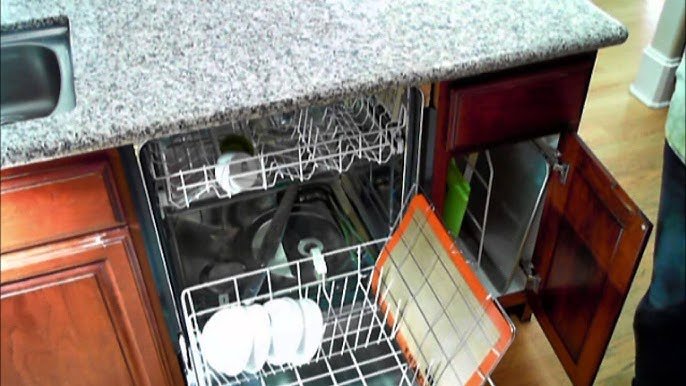
Silicone Cookware And Dishwasher Safety
Silicone cookware is popular in many kitchens. It is flexible, lightweight, and easy to clean. Many people wonder if silicone items can go in the dishwasher. Knowing the safety of silicone in dishwashers helps protect your cookware and dishwasher.
This section explains the key features of silicone, its heat resistance, and common kitchen items made from silicone. Understanding these points will help you keep your silicone cookware safe and clean.
Properties Of Silicone
Silicone is a synthetic material made from silicon, oxygen, carbon, and hydrogen. It is soft and flexible but very strong. Silicone does not absorb water or odors. It is also resistant to stains and tears. These qualities make silicone ideal for kitchen tools and bakeware.
Heat Resistance
Silicone can handle high temperatures without melting or warping. Most silicone cookware withstands heat up to 450°F (232°C). This heat resistance means silicone can safely go in ovens and microwaves. It also means silicone can survive the heat inside dishwashers.
Common Silicone Kitchen Items
Silicone is used in many kitchen tools. Common items include spatulas, baking mats, muffin cups, and lids. Silicone utensils are easy to clean and dishwasher safe. These items keep their shape and color even after many washes.
Dishwasher Effects On Silicone
Silicone is a popular material for kitchen tools and bakeware. Many people wonder if it is safe to clean silicone items in the dishwasher. Understanding how dishwashers affect silicone helps keep these items in good shape. The dishwasher’s heat, water pressure, and detergents can change silicone’s look and performance over time.
Knowing the potential risks and how silicone reacts to dishwasher conditions allows better care. This section explains the common effects dishwashers have on silicone products.
Potential Risks
Silicone is generally safe in dishwashers, but not without risks. Constant exposure to hot water and strong sprays can cause some silicone to wear out. Thin or low-quality silicone may crack or lose shape after many washes. Small tears or rough spots can appear on the surface. Avoid placing silicone near sharp objects that might damage it during washing.
Durability In High Temperatures
Dishwashers use high heat to clean and dry items. Silicone resists heat well and can handle temperatures up to 450°F (232°C). This heat resistance means silicone will not melt or warp easily in a dishwasher. Yet, repeated exposure to very hot water may reduce flexibility. Some color fading or dullness can happen over time. Thick, good-quality silicone lasts longer under these conditions.
Impact Of Detergents
Dishwasher detergents are strong and contain chemicals to remove grease and food. These chemicals can affect the silicone’s surface after many washes. The silicone may become sticky or develop a film. Harsh detergents can dull the color and texture. Using mild detergents or silicone-safe cleaners helps keep items looking new. Rinsing silicone by hand occasionally can also protect it from detergent build-up.
Cleaning Silicone By Hand Vs. Dishwasher
Cleaning silicone items can be done by hand or in the dishwasher. Both methods have their own benefits and limits. Choosing the right way depends on the type of silicone and how dirty it is. Understanding these methods helps keep your silicone clean and long-lasting.
Advantages Of Hand Washing
Hand washing lets you control the cleaning process. You can use gentle soap and soft sponges. This reduces the risk of damage or warping. Small or delicate silicone items get special care. Stubborn stains or sticky residue can be scrubbed carefully. Hand washing uses less water and energy than a dishwasher.
Benefits Of Dishwasher Cleaning
Dishwashers offer a quick and easy cleaning method. They use hot water and strong jets to remove dirt. Silicone items placed on the top rack dry faster. Dishwashers kill more bacteria with high temperatures. This method suits large batches of silicone tools. It saves time and effort compared to hand washing.
When To Choose Either Method
Choose hand washing for fragile or very dirty silicone pieces. Avoid the dishwasher if the silicone is thin or has glued parts. Use the dishwasher for heat-safe, sturdy silicone items. When in doubt, check the manufacturer’s cleaning instructions. Both methods keep silicone clean if done properly.
Tips For Dishwasher Cleaning Of Silicone
Cleaning silicone items in the dishwasher is easy with the right tips. Silicone is durable but needs care during washing. Using the dishwasher properly keeps your silicone safe and clean.
Follow these tips to protect your silicone and get the best cleaning results. Small changes in how you load and wash can make a big difference.
Proper Placement In Dishwasher
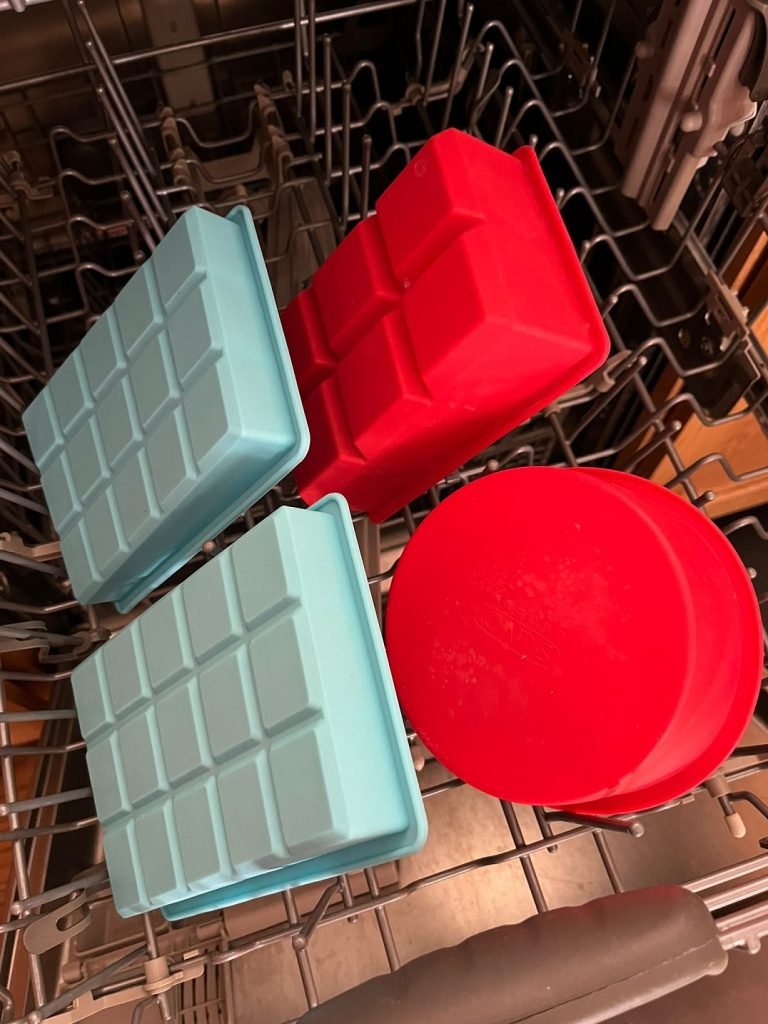
Place silicone items on the top rack only. The bottom rack has stronger water pressure that may move or damage silicone. Keep small silicone pieces in a dishwasher basket or mesh bag. This stops them from falling through or sticking to other dishes.
Choosing The Right Cycle
Use a gentle or normal wash cycle for silicone. High heat or heavy cycles can warp or damage the material. Avoid using the sanitize cycle, as the high temperature may break down silicone over time. A mild detergent is best for cleaning silicone without harm.
Avoiding Damage
Do not place silicone near sharp or heavy items that could cut or crush it. Avoid washing silicone with greasy or oily dishes that leave residue. After the cycle, check the silicone for any leftover food or detergent. Rinse by hand if needed to keep the silicone fresh and clean.
Troubleshooting Silicone Cleaning Issues
Silicone items are popular for their durability and heat resistance. They often go in the dishwasher for easy cleaning. Sometimes, silicone can have cleaning problems like stains, bad smells, or a dull appearance. These issues do not mean the silicone is ruined. Many simple tricks help fix these problems. Let’s explore how to troubleshoot silicone cleaning issues effectively.
Removing Stubborn Stains
Stains on silicone can be tricky. Use baking soda and water to make a thick paste. Rub this paste on the stained area. Let it sit for a few minutes. Then, scrub gently with a soft brush or cloth. Rinse well with warm water. Repeat if needed. Avoid harsh scrubbing to protect the silicone surface.
Dealing With Odors
Silicone can hold strong odors from food or cleaning agents. Soak the silicone item in a mixture of vinegar and water for 30 minutes. Rinse thoroughly and air dry. Another option is to use lemon juice to neutralize smells. Fresh air and sunlight also help remove unwanted odors.
Restoring Silicone’s Look
Silicone may look dull after many washes. To restore its shine, rub a small amount of olive oil or coconut oil on the surface. Wipe off excess oil with a clean cloth. This simple step brings back the soft, smooth feel of silicone. Avoid oils that leave sticky residue.
Alternatives To Dishwasher Cleaning
Silicone items do not always clean well in the dishwasher. Some stains and odors stay behind. Many people want easy, safe ways to clean silicone at home. Here are some simple alternatives to using a dishwasher for cleaning silicone.
Using Baking Soda And Vinegar
Baking soda and vinegar make a powerful cleaning team. First, sprinkle baking soda on the silicone surface. Then, pour vinegar over it. The mixture will bubble and lift dirt. Let it sit for 10 minutes. Rinse with warm water to remove residue. This method cleans and deodorizes effectively.
Boiling Method
Boiling silicone items kills bacteria and removes grease. Place the silicone in a pot of boiling water. Keep it boiling for 5 to 10 minutes. Remove carefully and dry with a clean cloth. Boiling is simple, chemical-free, and safe for most silicone products.
Commercial Silicone Cleaners
Special cleaners made for silicone work well. These products break down tough stains and oils. Follow the instructions on the label for best results. Use a soft brush or cloth to apply the cleaner. Rinse thoroughly after cleaning to avoid residue.
Frequently Asked Questions
Can Silicone Go Safely In The Dishwasher?
Yes, most silicone kitchen items are dishwasher safe. Silicone can withstand high temperatures without damage. Always check the manufacturer’s instructions to confirm dishwasher compatibility.
Will Dishwasher Heat Damage Silicone Products?
No, silicone is heat-resistant and usually withstands dishwasher heat. However, extreme or prolonged exposure might degrade some silicone over time. Use the top rack for gentle washing.
How To Clean Silicone In The Dishwasher Effectively?
Place silicone items on the top rack to avoid direct heating elements. Use a normal wash cycle with mild detergent. This ensures thorough cleaning without harming the silicone.
Does Dishwasher Detergent Affect Silicone Durability?
Dishwasher detergents are generally safe for silicone. Harsh chemicals may cause slight wear after frequent washes. Choose gentle detergents to maintain the silicone’s quality longer.
Conclusion
Silicone items often handle dishwasher cleaning well. Place them on the top rack only. Avoid high heat settings to keep silicone safe. Hand washing also works and can last longer. Always check product labels for dishwasher safety. Taking care helps silicone stay clean and last.
Small steps protect your kitchen tools better. Keep these tips in mind for easy cleaning.
Pingback: How To Clean Filter On Frigidaire Dishwasher: Step-By-Step
Pingback: Parchment Paper Vs Wax Paper: Best Uses And Tips 2026
Pingback: How Many Gallons of Water Does a Dishwasher Use?