
Most dishwashers fail to dry because of rinse aid, heat, or airflow issues.
If you’re asking why is my dishwasher not drying, you’re in the right place. I’ve fixed this problem in homes, rentals, and my own kitchen. In this guide, I’ll explain the common causes, simple checks, and proven fixes. You will learn how modern machines dry, what to tweak, and when to call a pro. Stick with me and we’ll get your dishes dry and spot-free.
Common reasons your dishwasher isn’t drying
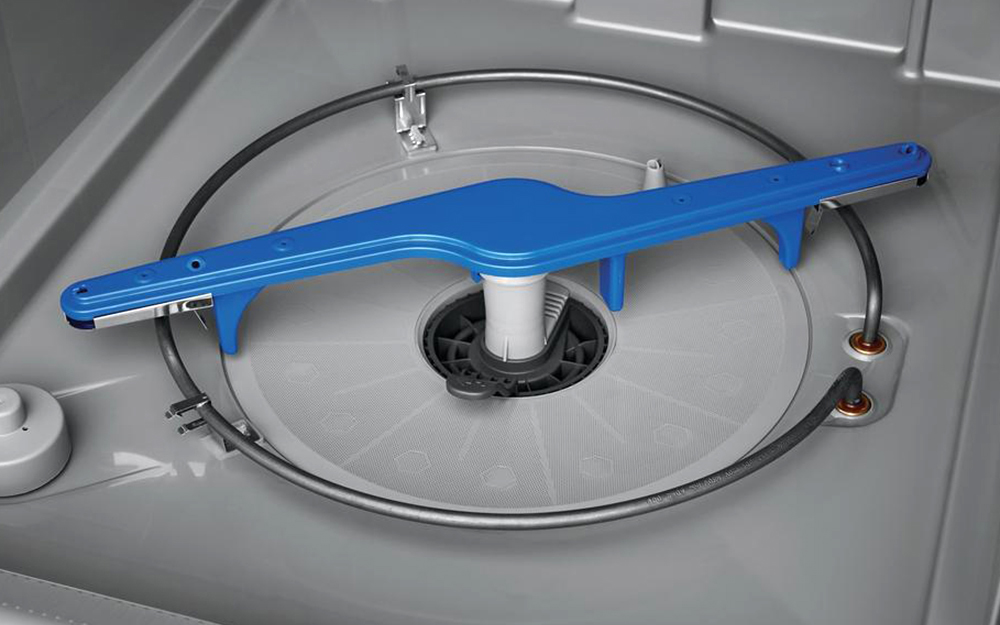
Modern dishwashers use two main drying methods. Heated dry uses an element or fan to evaporate water. Condensation dry uses hot water and a cool stainless tub to pull water off dishes. Both rely on the right setup.
Here are the top reasons your dishes stay wet:
- Rinse aid is empty or set too low. Water clings without it.
- The heating element is burnt out or weak. No heat means no evaporation.
- The vent or fan is blocked or failed. Steam stays trapped inside.
- Plastic dishes do not hold heat. They dry more slowly than glass or ceramic.
- Water temperature is too low. Aim for about 120°F at the sink.
- You used the wrong cycle. Eco cycles often reduce heat and dry time.
- The door stayed shut after the cycle. Trapped steam re-wets dishes.
- Hard water left a film. Water sheets cling to that film.
- The filter is dirty. Poor wash action leaves more water on items.
- You loaded items incorrectly. Bowls and cups can pool water and block air.
Personal note: I see rinse aid and user settings cause most issues. A small tweak there can make a big change.

Quick diagnostics you can do today
You do not need tools for these checks. Set aside 10 minutes.
- Check the rinse aid level. Fill it and turn the dial to medium or high.
- Run the hot water at the sink for 30 seconds before starting. This primes the dishwasher with hot water.
- Choose a cycle with heated dry or sanitize. This adds heat and time for better drying.
- Open the door right when the cycle ends. Prop it open an inch for 30 to 60 minutes.
- Reload for airflow. Angle bowls so water runs off. Put plastics on the top rack.
- Inspect the filter and clean it. A clean filter improves wash and dry results.
- Look for steam release. During drying, you should feel warm, moist air at the vent.
If you still wonder why is my dishwasher not drying, move to the deeper checks below.
Fixes for specific problems
Use these steps if a quick tweak did not help. Unplug the unit or flip the breaker before any electrical work.
The heating element is not working
- Symptom: The tub and dishes are cool at the end—no dry heat during the cycle.
- Check: Look for visible breaks or blisters on the element. Many models let you see it at the bottom.
- Test: A tech can meter it for continuity. No continuity means it is bad.
- Fix: Replace the element. Parts for older models are often affordable.
Why this matters: Without heat, evaporation slows. This is a common cause when people ask why their dishwasher not drying.
The vent or fan is blocked
- Symptom: Steam condenses on the door. Dishes drip after the cycle.
- Check: Look for debris at the vent grill. Listen for the fan during drying.
- Fix: Clear blockages. Replace a failed fan or vent motor as needed.
Tip: Some models auto-open the door. If that function fails, drying suffers.
Rinse aid and water sheeting issues
- Symptom: Water beads on items. Spots and streaks remain.
- Fix: Use rinse aid. Raise the dose one notch at a time until water sheets off.
- For hard water: Add a dishwasher-safe booster or use a detergent with a built-in rinse aid.
I once had a client with spotless wash but poor dry. We increased rinse aid and switched to a hotter cycle. Drying jumped from damp to cupboard-ready.
Water is not hot enough
- Symptom: Good wash, poor dry on all items.
- Check: Run hot water at the sink and measure with a thermometer. Aim for about 120°F.
- Fix: Raise the water heater if safe, or choose a cycle with “Hi Temp” or “Sanitize.”
Manufacturers and efficiency programs note that hotter water helps both cleaning and drying on condensation systems.
Plastic items stay wet
- Reason: Plastic does not hold heat. It cools fast, so water clings.
- Fix: Use heated dry if available. Crack the door open after the cycle. Angle plastics to drain.
Loading and airflow mistakes
- Symptom: Random wet spots, cup pools, or a soaked top rack.
- Fix: Keep tall items away from the vent. Do not nest bowls. Do not block spray arms or the silverware basket openings. Leave space between items.
Dirty filter or blocked spray arms
- Symptom: Film on dishes and slow drying.
- Fix: Clean the filter weekly if you run daily. Rinse spray arm holes with warm water and a soft brush.
Mineral buildup on sensors or walls
- Symptom: A chalky film on the tub and glassware.
- Fix: Run a dishwasher cleaner on a hot cycle. Use a monthly maintenance cycle if you have hard water.
Control, thermostat, or sensor faults
- Symptom: The machine skips heated dry, or cycles end too soon.
- Fix: A tech can test the high-limit thermostat, thermistor, or control board. Replace failed parts.
These targeted fixes address the most common root causes behind why is my dishwasher not drying.

Maintenance habits that improve drying
Consistent care pays off. Drying improves when the system stays clean and hot.
- Use rinse aid year-round. Refill monthly or as the indicator shows.
- Choose the right cycle. Regular, Auto, or Heavy with heated dry beats Eco for drying.
- Purge the hot water line. Run the sink hot before starting each cycle.
- Load for airflow. Angle cups. Space plates. Tip bowls to avoid pooling.
- Clean the filter. A quick rinse once a week takes one minute.
- Descale monthly in hard water areas. Use a dishwasher cleaner or a descaling product.
- Vent the tub. Open the door after the cycle if your model does not auto-open.
If you’re still thinking why is my dishwasher not drying after these habits, you likely have a part issue.
When to call a pro and what it may cost
If heat, fan, or sensors fail, a pro can save time and guesswork.
- Call a pro if you smell burning, see a broken element, or get error codes.
- Expect a diagnostic fee. Many shops apply it to the repair if you proceed.
- Typical part ranges:
- Heating element: Often mid-range in cost plus labor.
- Vent fan or motor: Moderate cost depending on model.
- High-limit thermostat or thermistor: Usually low-cost parts.
- Control board: Higher cost part plus labor.
Ask for a written estimate. Compare the repair cost to the age of the unit. If your model is older than 10 years and parts are costly, a new Energy Star dishwasher may dry better and use less power and water.
If you still ask why my dishwasher is not drying after basic steps, a pro visit is the fastest path to a fix.

Frequently Asked Questions of why is my dishwasher not drying
Why are my plastic containers always wet?
Plastic cools fast and does not hold heat. Use heated dry, add rinse aid, and crack the door after the cycle.
Does rinse aid really help with drying?
Yes. It lowers surface tension so water sheets off and evaporates faster, reducing spots and puddles.
Can a dirty filter cause poor drying?
Yes. A dirty filter lowers wash performance and leaves more water on items. Clean it weekly for steady results.
Is a sanitize cycle better for drying?
Often, yes. It raises final water and air temperatures, which boosts evaporation and improves drying.
Why do some new dishwashers seem worse at drying?
Many use condensation drying to save energy. Use rinse aid, hot water, and door venting to match older heated-dry results.
What temperature should my water heater be for better drying?
About 120°F at the tap is a good target. Hotter inlet water helps both cleaning and condensation drying.
Will opening the door help?
Yes. Opening or auto-opening releases steam and speeds evaporation, especially on plastic items.
Could my control board be the problem?
It can be. If the unit skips heated dry or ends early, a control or sensor fault is possible and needs testing.
How do I know if my heating element is bad?
Dishes and the tub feel cool after the cycle. A pro can test for continuity and replace the part if needed.
Why is my dishwasher not drying even after using rinse aid?
Check for low water temperature, blocked vents, or the wrong cycle. You may also have a failed fan, sensor, or element.
Conclusion
If you’re asking why my dishwasher is not drying, start with the basics. Use rinse aid, choose heated dry, load for airflow, and make sure the water is hot. Then check the vent, filter, and plastics. If those steps fail, test the heat and fan parts or call a pro.
Small changes bring big wins. Try the quick steps today and track your results for a week. Want more help? Subscribe for more kitchen fixes, or drop a comment with your model and symptoms so I can guide you one-on-one.
Pingback: Can You Put Silicone in the Dishwasher: Ultimate Cleaning Guide
Pingback: How To Replace A Kitchen Sink: Step-By-Step Guide 2026