
Usually, yes for treated cities, but plumbing and habits can change the risk.
If you have asked if bathroom sink water is safe to drink, you are not alone. I work with homeowners, renters, and travelers who face this daily call. The short answer hides a lot of plumbing science. Stick with me, and you will get a clear, practical plan you can trust.
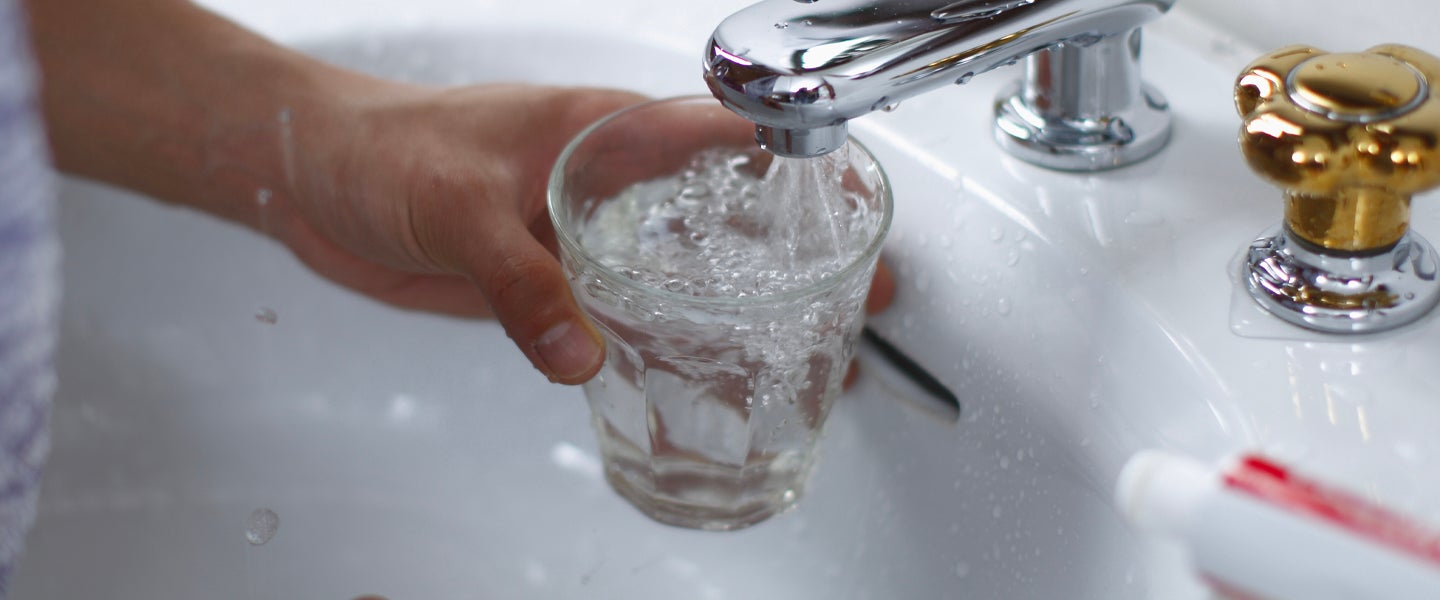
What does is bathroom sink water safe to drink really mean?
In many homes, the bathroom and kitchen taps share the same city water. The difference often starts inside your walls and at the faucet itself. Stagnant water, old metals, and aerators can shift safety from yes to maybe.
When people ask if bathroom sink water is safe to drink, they want a simple rule. The safer rule depends on these parts of your home and habits:
- Pipe and faucet materials and age
- The time water sits in the line before the first morning use
- The aerator screen, which can trap debris and germs
- Local water quality, treatment, and pressure changes
How water gets to your bathroom sink
Your water starts at a source. It is treated, disinfected, and sent through mains to your street. Then a service line feeds your house. After the meter, it runs through your pipes to each tap.
City water must meet strict rules. Yet the last few feet are on you. The faucet, valves, and small lines can add metals. Sitting water can lose chlorine. If you want is bathroom sink water safe to drink to be a yes, focus on that final stretch.
Key risks that change the answer to is bathroom sink water safe to drink
Lead is the big concern. Old brass faucets and old pipes can leach lead. There is no safe level for kids. The action level used by regulators is 15 parts per billion.
Copper can leach from new copper pipes. High levels may upset your stomach. Nickel and chromium can come from some stainless parts. These are usually low but can add taste.
Microbes love warm, still water. Legionella grows in warm plumbing. It is rare to get sick from a home sink, but the risk rises in large or old buildings. After long breaks, run the tap till cold.
PFAS and other chemicals can be in some local supplies. A filter that meets NSF/ANSI 53 or 58 targets can help. Chlorine taste is not a safety risk by itself, but it hints at how the water was treated.
Simple checks and habits to make your bathroom sink water safer to drink
Good news. Small steps help a lot. I use these at home and when I audit buildings.
- Drink and cook with cold water. Hot water can pull more metals from pipes.
- Each morning, run the cold tap 30 to 60 seconds. Flush till it is cold and steady.
- Clean the aerator monthly. Soak it in vinegar. Rinse well before putting it back.
- Test for lead with a first-draw and a flushed sample. Use a certified lab kit.
- Pick filters that list the standards they meet. NSF/ANSI 42 for taste. 53 for lead and cysts. 401 for newer chemicals. 58 for reverse osmosis.
- Upgrade faucets to certified lead-free models. Look for NSF/ANSI 61 and 372 marks.
- Set your water heater hot enough to limit growth. Many pros use 130 to 140°F at the tank with mixing valves at sinks to prevent burns. Follow local code.
These steps make a quick difference. If your plan is bathroom sink water safe to drink, these habits push it toward a yes.
Special cases when the answer to Is bathroom sink water safe to drink is no
Some times call for caution. If there is a boil water notice, do not drink from any tap unless boiled. If your home was built before 1986 or may have a lead service line, test first.
Skip the first sip after a vacation. Water sits for days and picks up metals and tastes. Run the tap to freshen the line. If you are mixing infant formula, use cold, filtered water from a known safe point.
If your water comes from a private well, test it at least once a year. Test after floods or work on the well. If anyone in the home is immune-compromised, consider a point-of-use filter and keep to cold water for drinking.

Traveling and hotels: is bathroom sink water safe to drink abroad?
Rules change by country and even by city. Always check local guidance at your hotel or from the local health office. If unsure, use bottled water or boil for one minute.
I travel with a small bottle filter that meets NSF/ANSI 53. It helps with taste and some risks. In places with known safe city water, I still use the cold tap and let it run a bit. Asking is bathroom sink water safe to drink on the road is smart, not fussy.
How to test and read results like a pro
Start with your utility’s Consumer Confidence Report. It shows source water and city-wide results. Then test your tap. Do a first-draw sample after at least six hours of no use, and a flushed sample after running the tap.
Look at lead in parts per billion. Aim for as low as possible, not near the action level. Copper has a 1.3 mg/L rule. A TDS pen is not a safety meter. It only shows dissolved salts. If results worry you, call a licensed plumber and consider a certified filter.

Frequently Asked Questions of is bathroom sink water safe to drink
Is bathroom sink water safe to drink if my kitchen water is safe?
Often yes, since both taps share the same supply. But the faucet, small lines, and aerator can change metals and taste.
Can I drink hot water from the bathroom tap?
Use cold water for drinking and cooking. Hot water can pull more metals from pipes and fixtures.
How long should I run the bathroom tap before drinking?
Run it 30 to 60 seconds, or until it turns cold and steady. This flushes out stagnant water and lowers metals.
Do bathroom faucets add more lead than kitchen faucets?
Some older bathroom faucets have more brass parts and smaller flow, which can raise first-draw lead. New lead-free, certified models cut that risk.
Will a simple pitcher filter make bathroom water safe?
It can improve taste and reduce some contaminants if it is certified for them. Check the NSF/ANSI claims match what you want to remove, like lead or PFAS.
Is bathroom sink water safe to drink during a boil water advisory?
No. Boil for one minute at a rolling boil or use bottled water. Filters alone do not replace boiling unless they are rated for microbiological claims.
Should I clean the bathroom aerator?
Yes, once a month or after plumbing work. It can trap particles and microbes and affect flow and taste.
Conclusion
Most city homes can make a safe choice with the bathroom tap. The final answer to is bathroom sink water is safe to drink rests on your pipes, faucet, and habits. Use cold water, flush the line, clean the aerator, and test when in doubt.
Take one step today. Check your aerator and run the tap to freshen the line. If this helped, share it, subscribe for more home water tips, or leave your questions so we can dig in together.
Pingback: How To Remove Rust From Bathroom Sink: Fast, Safe Fixes
Pingback: How Do I Remove A Bathroom Sink: Step-By-Step Guide
Pingback: How To Remove Rust From Bathroom Sink: Fast, Safe Fixes
Pingback: How To Replace A Kitchen Sink: Step-By-Step Guide 2026
Pingback: How To Clear Slow Draining Bathroom Sink: Quick Fix Guide