
Most bathroom sink sewer smells come from a dry trap, biofilm, or vent issues.
If you’ve wondered why my bathroom sink smells like a sewer, you are not alone. I’ve diagnosed this problem in countless homes, and the culprits are often simple. In this guide, I’ll break down why it happens, how to fix it quickly, and how to prevent it from recurring. You’ll get expert steps that work in real bathrooms, with clear tips you can try today.
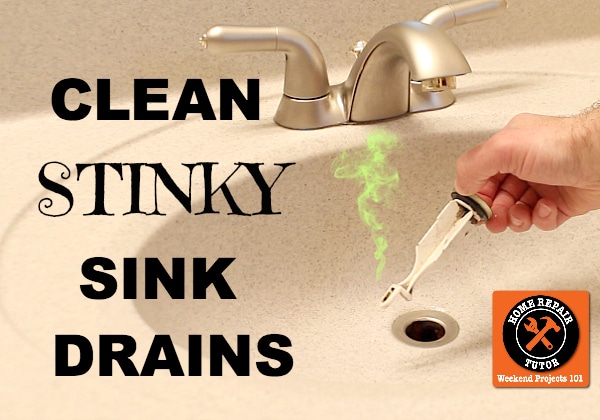
What that sewer smell really means
Sewer-like odors indicate that gases are escaping from your plumbing. That gas comes from waste lines. Your sink is supposed to block it with water in the P-trap. When the trap fails or the drain grows a thick slime, the smell leaks out.
Common causes include:
- Dry P-trap from lack of use
- Biofilm and gunk in the drain or overflow
- Blocked or undersized vent pipes
- Loose or bad seals around the drain
- Cracked pipes or misaligned fittings
If you’re asking why does my bathroom sink smell like sewer, one of these is very likely. Knowing which one is the key to a quick fix.
How your sink is supposed to stop the smell
Your sink has two quiet heroes: the P-trap and the vent.
- The P-trap holds water. That water is a barrier that blocks sewer gas.
- The vent (often on the roof) lets air into the system. This keeps pressure even so the trap water stays put.
Building codes require both. If the trap dries out, or the vent is blocked, the barrier breaks. If you wonder why does my bathroom sink smell like sewer after a remodel, the trap or vent setup may be wrong.
Quick checks to pinpoint the cause
Use your senses and a few simple tests. These help you find the fastest fix.
Smell test
- Sniff near the drain, overflow hole, and the cabinet under the sink.
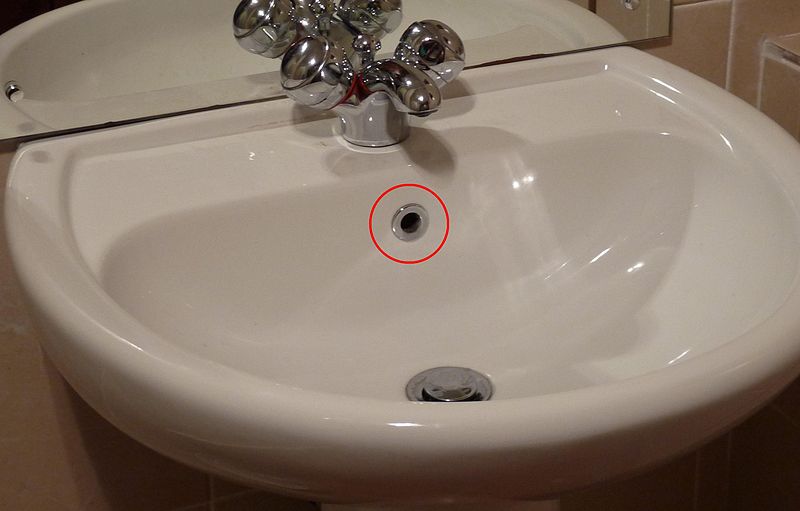
- If the smell is strongest at the overflow, think biofilm.
- If it’s strongest under the sink, think bad seals or a loose trap.
Water test
- Run water for 30 seconds. If the smell fades, the trap was dry.
- If it gurgles, your vent might be blocked or undersized.
Paper towel test
- Wipe the underside of the stopper and the drain wall.
- Dark slime on the towel points to biofilm-producing odor.
Cabinet check
- Look for damp wood, crusty deposits, or leaks at the slip nuts.
- If you see stains, the trap seal could be compromised.
These steps often answer, fast, why does my bathroom sink smell like sewer in your home?
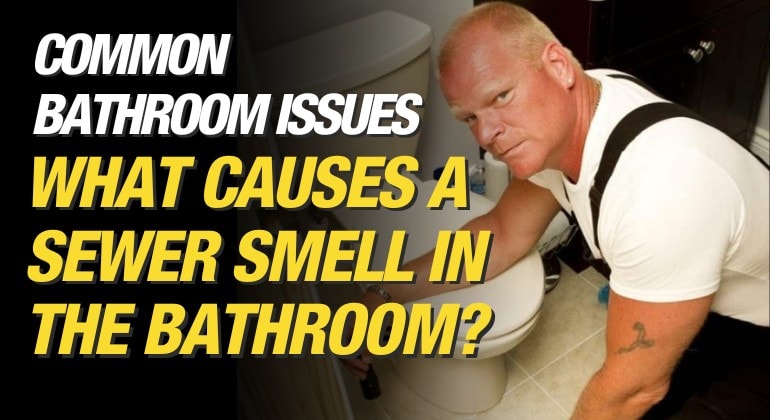
Step-by-step fixes for the most common causes
Follow these in order. Start simple. Stop if you smell strong gas beyond the sink area or feel dizzy. That means you need a pro.
- Refill a dry P-trap
- Run the tap for 1–2 minutes.
- Add one cup of mineral oil to slow evaporation if the sink sits unused.
- This often ends the question of why does my bathroom sink smell like sewer in guest baths.
- Clean the overflow and drain biofilm
- Pull the stopper. Scrub it with dish soap and a brush.
- Mix warm water with a small amount of oxygen bleach or enzyme cleaner. Do not mix bleach with vinegar or ammonia.
- Use a narrow bottle brush to scrub the overflow hole and channel.
- Rinse with hot water for 1 minute.
Personal tip: I carry a flexible brush for this job. The smell often vanishes in five minutes after a good overflow scrub.
- Flush the waste arm and trap
- Place a bucket under the P-trap.
- Loosen the slip nuts by hand or with pliers.
- Remove the trap. Clean it with hot water and a brush.
- Reassemble. Hand-tighten, then give a gentle extra turn. Do not overtighten.
This simple cleanout fixes many why does my bathroom sink smell like sewer complaints.
- Reseat the drain flange and gaskets
- If the smell is under the sink, check the drain tailpiece and slip-joint washers.
- Reseat or replace worn washers. Use plumber’s putty or a new gasket if the flange leaks.
- Tighten snugly, not hard.
- Check the vent
Signs of a vent issue include gurgling, slow drains, and smells after heavy use.
- Look up at the roof vent from the ground. Birds’ nests or leaves can block it.
- If safe and comfortable, clear the top opening with a long tool. Use fall protection.
- Where allowed by code, an air admittance valve (AAV) can help. Replace a stuck AAV if present.
- Repair bigger faults
- S-traps or missing traps can siphon dry. Replace with a proper P-trap.
- Cracked drain pipes or corroded metal traps need replacement.
- A smoke or camera test can locate hidden leaks.
If you still ask why does my bathroom sink smell like sewer after these steps, it’s time to call a plumber.
Deep clean and disinfection protocol
A careful cleaning can remove odor-causing bacteria without harming pipes.
Do this monthly or after major odors:
- Remove and scrub the stopper and the upper drain wall with dish soap.
- Use an enzyme-based drain cleaner. Let it sit as directed. Enzymes digest buildup gently.
- Rinse with hot water. Then scrub the overflow with a bottle brush.
- For stubborn slime, flush with a diluted oxygen bleach solution. Never mix chemicals.
Note: Baking soda and vinegar foam, but they do not dissolve heavy buildup well. Enzymes or oxygen cleaners work better for biofilm. This method helps anyone who asks why does my bathroom sink smell like sewer and wants a long-term, safe clean.

When to call a plumber and what it might cost
Call a pro if:
- The smell is strong across rooms, not just the sink
- You hear gurgling in more than one fixture
- The trap or drain keeps drying out
- You see water stains, mold, or suspect a cracked pipe
- You are not comfortable working under the sink or on the roof
- Service call and diagnosis: 75–150 USD
- Trap replacement: 100–250 USD
- Vent clearing: 150–350 USD
- Smoke test: 200–600 USD
- Camera inspection: 200–500 USD
These visits can answer the nagging why does my bathroom sink smell like sewer question faster and safer than guesswork.
Prevention checklist that actually works
Keep odors from coming back with a few simple habits.
Weekly
- Run hot water for 30–60 seconds in rarely used sinks.
- Check for leaks under the cabinet.
Monthly
- Clean the stopper and overflow with a brush and dish soap.
- Use an enzyme cleaner to keep biofilm in check.
Seasonal
- Inspect the roof vent opening from the ground. Clear leaves and nests.
- Recheck slip nuts and gaskets for a snug fit.
After any remodel
- Confirm you have a P-trap, not an S-trap.
- Make sure the venting meets local code.
Follow this routine and you will stop asking why does my bathroom sink smell like sewer every few months.

Safety notes you should not skip
Sewer gas contains hydrogen sulfide, which smells like rotten eggs. Short exposures at low levels are common, but high levels are unsafe.
Keep these rules:
- Ventilate while cleaning.
- Never mix bleach with vinegar or ammonia.
- Wear gloves and eye protection when handling cleaners.
- Stop and call a pro if you feel dizzy, nauseous, or the odor is sharp and constant.
These steps protect your health while you solve why does my bathroom sink smell like sewer in a safe way.
Frequently Asked Questions of why does my bathroom sink smell like sewer
Why does my bathroom sink smell like sewer only in the morning?
Overnight, the trap water can evaporate a bit, or biofilm gases build up. Running water and cleaning the overflow usually solves it.
Why does my bathroom sink smell like sewer after I run the faucet?
The flow can push trapped gases out of the overflow or drain biofilm. Clean the overflow channel and the stopper assembly to remove the source.
Why does my bathroom sink smell like sewer after a remodel?
A new vanity may have an S-trap or poor venting that siphons the trap dry. Ask a plumber to verify the P-trap and vent meet local code.
Why does my bathroom sink smell like sewer even after cleaning?
If cleaning helps only for a day, look for a vent issue, a loose slip nut, or a failing gasket. A smoke or camera test can find hidden leaks.
Why does my bathroom sink smell like sewer when it’s windy or raining?
Wind and storm pressure can affect vent performance and push odors back. Clearing a blocked vent or adding a proper AAV (where allowed) can help.
Conclusion
If you’ve asked why does my bathroom sink smell like sewer, you now know the usual suspects and the exact steps to fix them. Start with the simple wins: refill the trap, clean the overflow, and tighten seals. Then look at venting and worn parts.
You can solve most odors in under an hour with basic tools and safe cleaners. Take action today, and keep a short monthly routine to prevent future smells.
Pingback: How To Clear Slow Draining Bathroom Sink: Quick Fix Guide
Pingback: How To Clear Slow Draining Bathroom Sink: Quick Fix Guide