
Yes, you can install your own water softener system if you have basic plumbing skills and follow codes.
If you have asked, Can you install your own water softener system?, this guide is for you. I have installed many units in real homes and rentals. I will show you how to plan, size, and install with care. You will see what is easy, what is hard, and when to call a pro. Stick with me. You will finish with clear steps, tools, and tips you can trust.

What a water softener does and how it works
Hard water leaves scale on faucets, showers, and heaters. It makes soap weak and laundry stiff. A water softener swaps hardness minerals for sodium or potassium. The process is called ion exchange.
Water flows through resin beads in a tank. Calcium and magnesium stick to the resin. The control valve cleans the resin with a brine rinse during regeneration. Salt in the brine tank makes that rinse. The system then flushes to a drain. Your home gets soft water again.
You still need a drain and a power outlet for the control head. You also need room for a resin tank and a brine tank. A softener does not remove chlorine, sediment, or many metals by itself. You may add a prefilter if needed.
:max_bytes(150000):strip_icc()/installing-a-water-softener-2718669-FINAL-1-ee8de137dcf84b5db1e28f84a7dec11b.png)
Source: thespruce.com
Can you install your own water softener system? The short answer, plus when you should
Can you install your own water softener system? Yes, many people can. If you can cut and join pipe, you can do this. The setup is basic plumbing and simple programming. Plan well, and you will be fine.
When to DIY:
- You have a main line you can access before the water heater.
- You can shut off and drain the system.
- You know how to use PEX, copper, or CPVC fittings.
- You can make a code-compliant drain with an air gap.
When to hire a pro:
- You need to move the main or add new valves.
- You need an electrical outlet or a new drain.
- Local code needs a permit and inspection.
- You live in a condo or a city with brine rules.
If you ask, Can you install your own water softener system? and still feel unsure, a licensed plumber can do it fast. Many brands allow owner installs. Still, keep receipts and photos in case of a warranty claim.
Do I need a permit?
Often, yes, because you are changing a potable water system. Rules vary by city. Check your building department.
How long does DIY take?
Plan for three to six hours for a first install. Complex rerouting can take a day.
What skills do I need?
You need to shut water, cut the pipe, and make leak-free joints. You also need to set the valve and test the hardness.
If you want to know, can you install your own water softener system? The key is to prepare well. Good prep makes this a calm Saturday job.
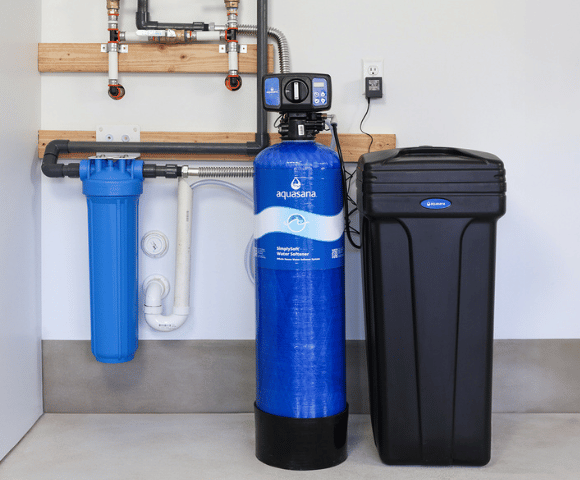
Source: aquasana.com
Sizing and choosing the right system
Before you decide, can you install your own water softener system, size it right? This avoids weak flow and wasted salt.
Find hardness in grains per gallon, also called gpg. You can test with strips or a kit. City water reports list hardness, too. Water under 3 gpg is soft. Over 10 gpg is very hard.
Pick the right capacity. A common rule is 60 to 75 gallons per person per day.
- Example: 4 people × 70 gallons × 10 gpg ≈ 2,800 grains per day.
- Target regeneration every 7 days for salt savings.
- 2,800 × 7 ≈ 19,600 grains. A 32,000-grain unit fits well with settings for better efficiency.
Valve size matters. A 1-inch valve helps keep the flow strong. Demand-initiated regeneration saves salt and water.
Salt types:
- Solar salt crystals are common and low-cost.
- Pellets reduce bridging in humid rooms.
- Potassium chloride works if you want less sodium, but you will use more by weight.
Extras to consider:
- A sediment prefilter if you have sand or rust.
- An iron filter if iron stains on fixtures.
- A bypass loop for outside spigots so you do not soften irrigation water.

Source: youtube.com
Tools, parts, and prep checklist
Can you install your own water softener system? Yes, if you have the right kit ready first.
Tools:
- Pipe cutter for copper, PEX, or CPVC
- Deburring tool and measuring tape
- PEX crimp tool or push-fit tool
- Adjustable wrenches and channel locks
- Drill and bits for drain support
- Bucket, towels, and a flashlight
Parts:
- Bypass valve or the one included with the unit
- Flexible stainless connectors or unions
- Adapters for your pipe type
- Drain tubing and an air gap fitting
- Straps to secure tanks
- Optional whole-house sediment filter
Site needs:
- Place after the main shutoff and before the water heater
- Level floor with room for both tanks
- Nearby drain with an air gap
- Standard grounded outlet for the control head

Source: springwellwater.com
Step-by-step DIY installation guide
Can you install your own water softener system? Follow these steps. Work slow. Check for leaks at each step.
- Plan the layout. Keep tanks upright and accessible. Leave space to add salt.
- Shut off the main. Open a faucet low in the home to drain pressure.
- Cut into the main cold line before the water heater. Catch water with a bucket.
- Install the bypass valve. Set it to bypass during work.
- Add adapters to match your pipe. Use PEX, copper, or CPVC per code.
- Connect the inlet and outlet. Follow the arrow on the valve body.
- Tighten flexible connectors. Support pipes so nothing is in a bind.
- Run the drain line to an approved drain. Add a visible air gap. Secure it so it cannot siphon.
- Run the brine drain tubing if your valve has a second drain port.
- Level and strap the tanks. Fill the brine tank to the line with salt.
- Plug in the control head. Program time, hardness, and capacity. Set regen to the early morning.
- Open the bypass slowly to service. Bleed air at a nearby faucet until clear.
- Start a manual regen per the manual. Watch each cycle. Check the drain for strong flow.
- Test water after regen. Adjust settings if needed.
Tips:
- Sanitize the softener on startup with the dose noted in the manual.
- If water has iron, add resin cleaner monthly.
- Label the bypass so guests do not change it by mistake.

Source: reddit.com
Cost breakdown and timing
Can you install your own water softener system? Many do to save money.
Typical costs:
- Unit: 500 to 1,500 dollars for most homes
- Fittings and valves: 50 to 250 dollars
- Flexible connectors: 30 to 80 dollars each
- Permit if needed: local fee
Pro install can add 300 to 1,500 dollars. Special work like moving the main, adding a drain, or wiring adds more. A careful DIY takes three to six hours. Plan extra time for clean up and testing.

Source: ssihvac.com
Common mistakes and how to avoid them
Can you install your own water softener system? Yes, but avoid these pitfalls.
- Wrong pipe order. Do not feed the water heater before the softener. You want the heater on the softened line.
- No air gap. A direct drain is a code failure and a health risk.
- Loose drain hose. It can pop out during regen. Strap it in place.
- Oversized or undersized unit. Size by gpg, people, and flow, not by tank height alone.
- Skipping a prefilter on dirty water. Resin can foul early.
- Setting max salt dose. Use efficient settings for better costs and taste.
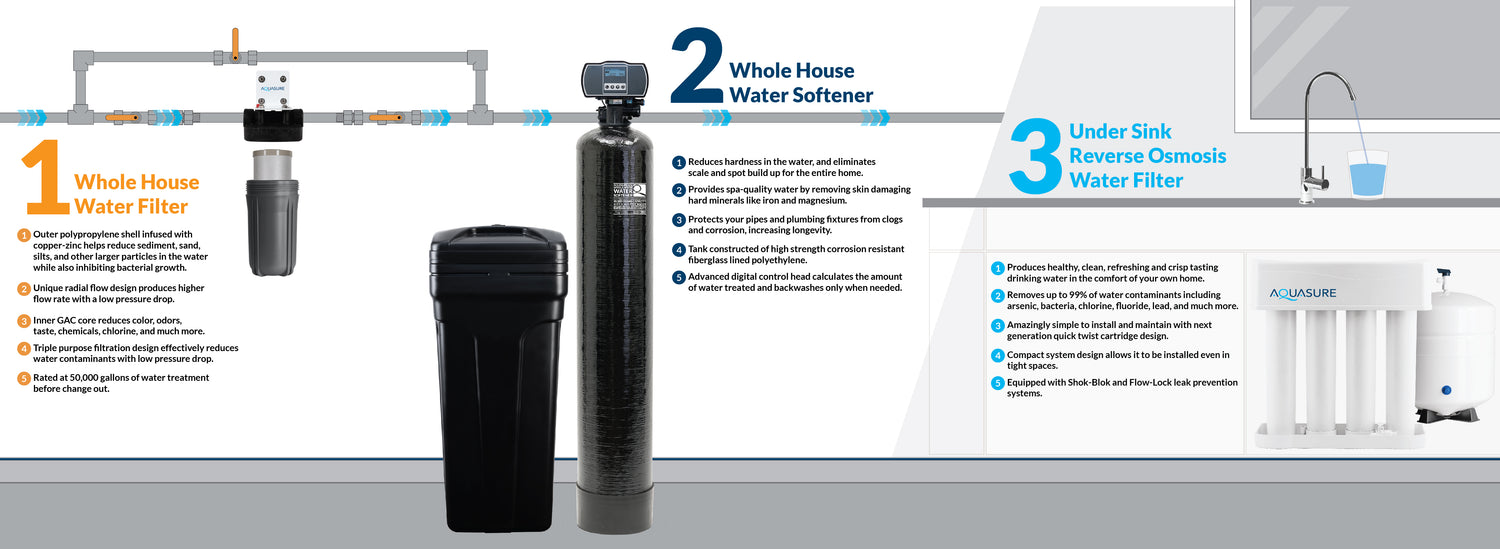
Source: aquasureusa.com
Maintenance, warranties, and long-term care
Can you install your own water softener system? Yes. You also need simple care.
- Keep the brine tank at least one-third full of salt.
- Break up salt bridges with a broom handle if the tank crusts.
- Clean the brine tank once a year if you see sludge.
- Use resin cleaner if you have iron or manganese.
- Test hardness twice a year and after any changes in city water.
Many brands honor owner installs when you follow the manual. Keep your invoice and photos. If you ask yourself, Can you install your own water softener system? and worry about warranty, call the brand first and get clear terms.

Source: youtube.com
Real-world story: My first DIY softener install
My first install was in a 1970s ranch with tight space. I asked, Can you install your own water softener system? and decided yes, but I planned a lot. The trickiest part was the drain. The floor drain was far. I added a standpipe with an air gap near the laundry and strapped the hose.
The other lesson was sizing. Hardness was 18 gpg for a family of five. A 48,000-grain unit with a 1-inch valve kept showers strong. It has run for six years with only one salt bridge. A rubber mallet and warm water fixed it in minutes.
Related options and add-ons
If you wonder, Can you install your own water softener system? you should also know the alternatives.
- Salt-free conditioners reduce scale stick. They do not remove hardness ions.
- Dual-tank softeners give soft water 24/7. One tank works while the other regens.
- Whole-house carbon filters remove chlorine and odor.
- Reverse osmosis at the sink gives low-TDS drinking water.
- Smart valves track use and salt. They can alert you to leaks.
Match tools to your water test. Build a system that fits your life and code.
Frequently Asked Questions of Can you install your own water softener system?
Do I need a permit to install a softener?
Many cities require a plumbing permit because it changes a potable line. Call your building department to confirm before you start.
Where should the softener go in the plumbing?
Install it after the main shutoff and before the water heater. Keep outside spigots on a hard-water bypass if you want.
Can I discharge brine to a septic system?
Many areas allow it, but rules vary. Ask your health department and follow code for an air gap and proper drain sizing.
What size softener should I buy?
Base it on gpg hardness, people, and daily water use. Aim for regeneration every 7 days for good efficiency.
How often do I add salt?
Check monthly and keep the brine tank at least one-third full. Add more often in large homes or with very hard water.
Will soft water harm plants or lawns?
Use hard water for irrigation when possible. Softened water has added sodium or potassium, which is not ideal for many plants long term.
Does a softener remove chlorine, taste, or lead?
No. A softener removes hardness ions. Add a carbon filter for chlorine and taste, and use certified filters for lead.
Conclusion
So, can you install your own water softener system? Yes, with planning, the right tools, and respect for code. Size the unit, prepare the site, and follow each step with care. Test the water and fine-tune the settings.
If you are ready, map your plumbing today and price your parts. If you want backup, book a pro for a quick, clean job. Share your questions or wins in the comments, and subscribe for more home water guides.