
Upper kitchen cabinets are usually 12 inches deep, with some at 15 to 24 inches.
If you have ever asked how deep are upper kitchen cabinets, you are not alone. I design and install kitchens for a living, and depth is the most common point people miss. This guide breaks it down with clear rules, real examples, and field tips. By the end, you will know how deep are upper kitchen cabinets for your space and why it matters.
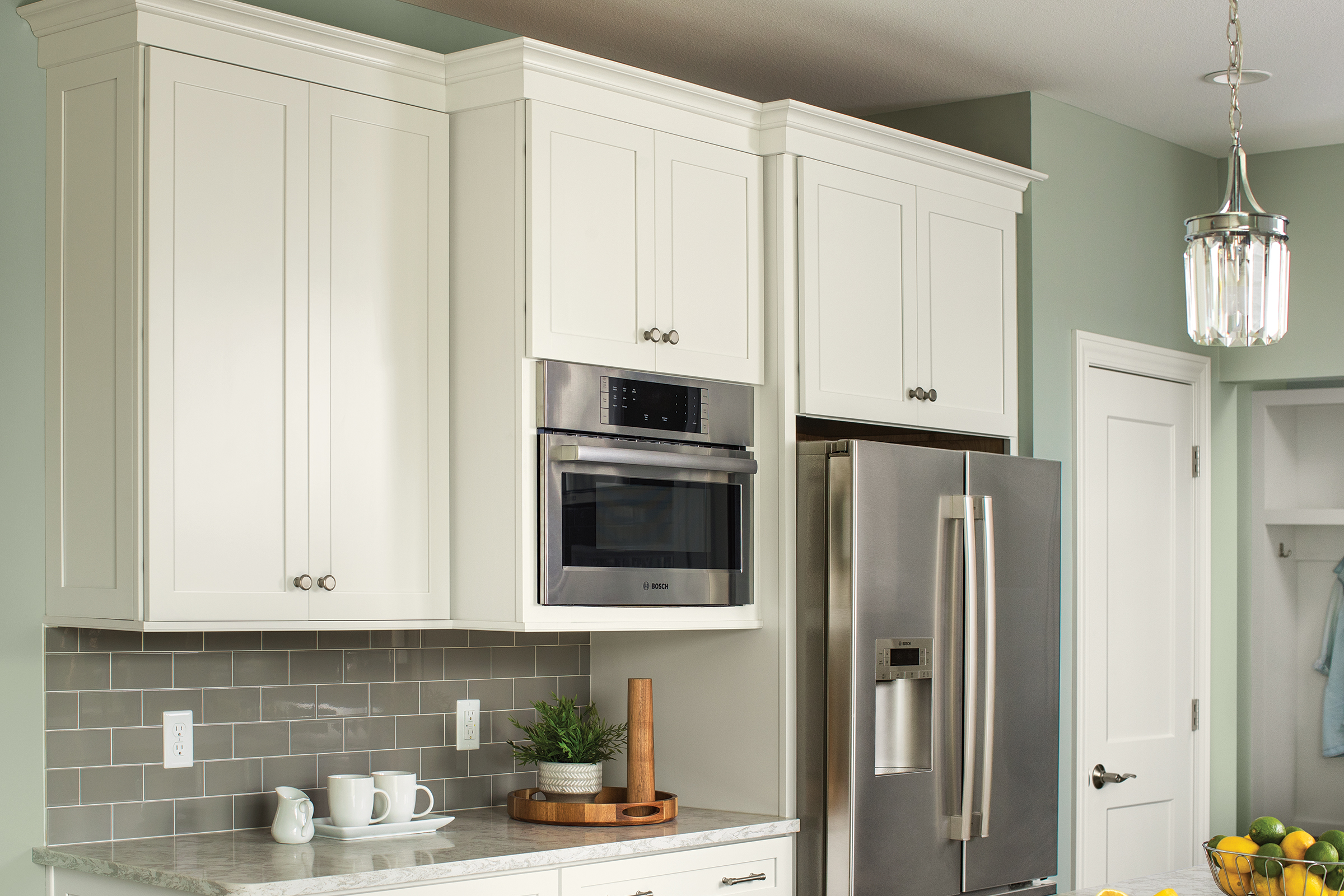
How deep are upper kitchen cabinets? Standard sizes and ranges
Most stock uppers are 12 inches deep. That is the cabinet box from wall to front. Add a door, and the total overhang is near 12.5 to 13 inches. This size is light, easy to reach, and keeps the counter clear.
A growing trend is 15-inch deep uppers. These hold wide plates and big bowls. They also fit tall mugs and small appliances. But they can cast more shade on the counter and feel large in small rooms.
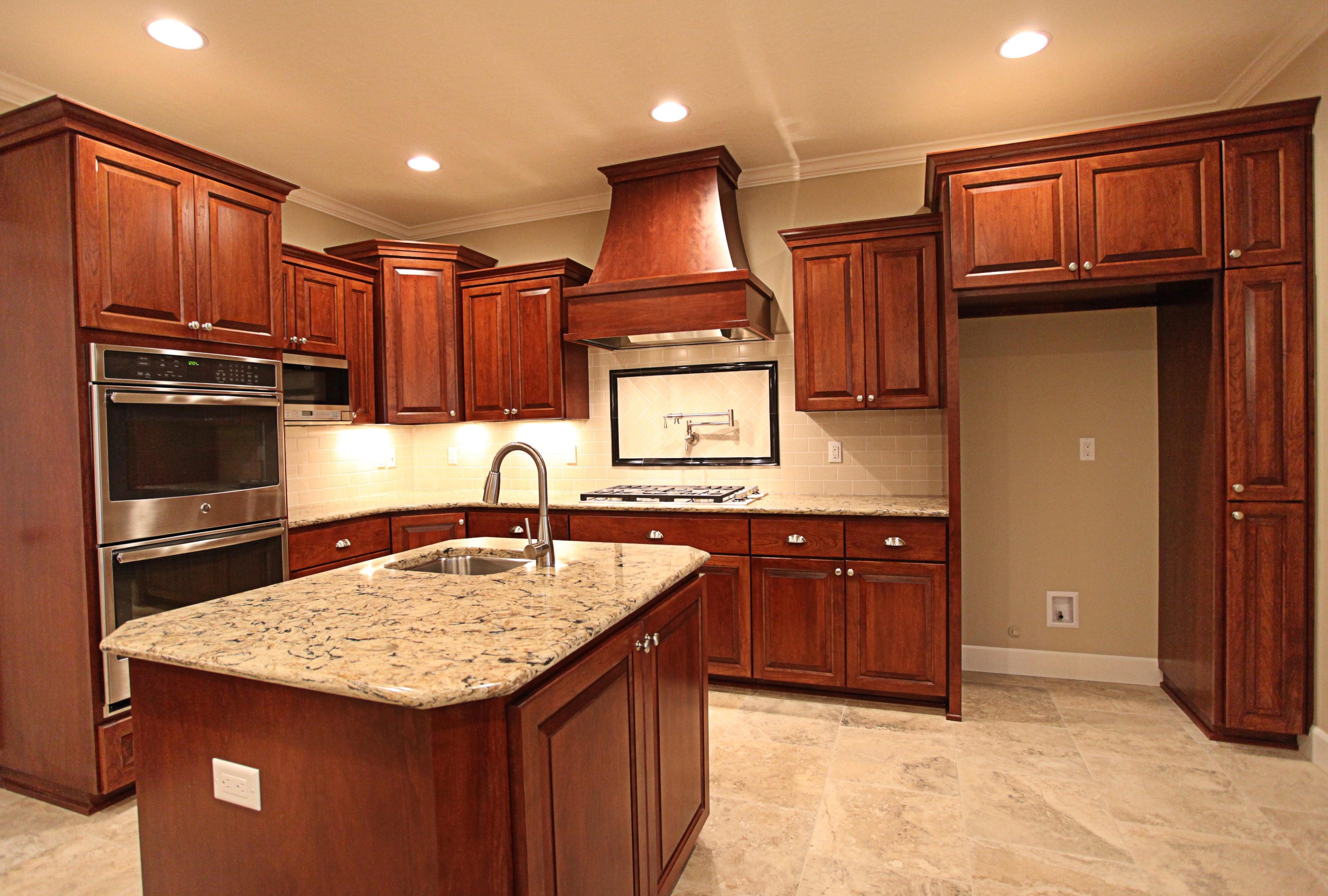
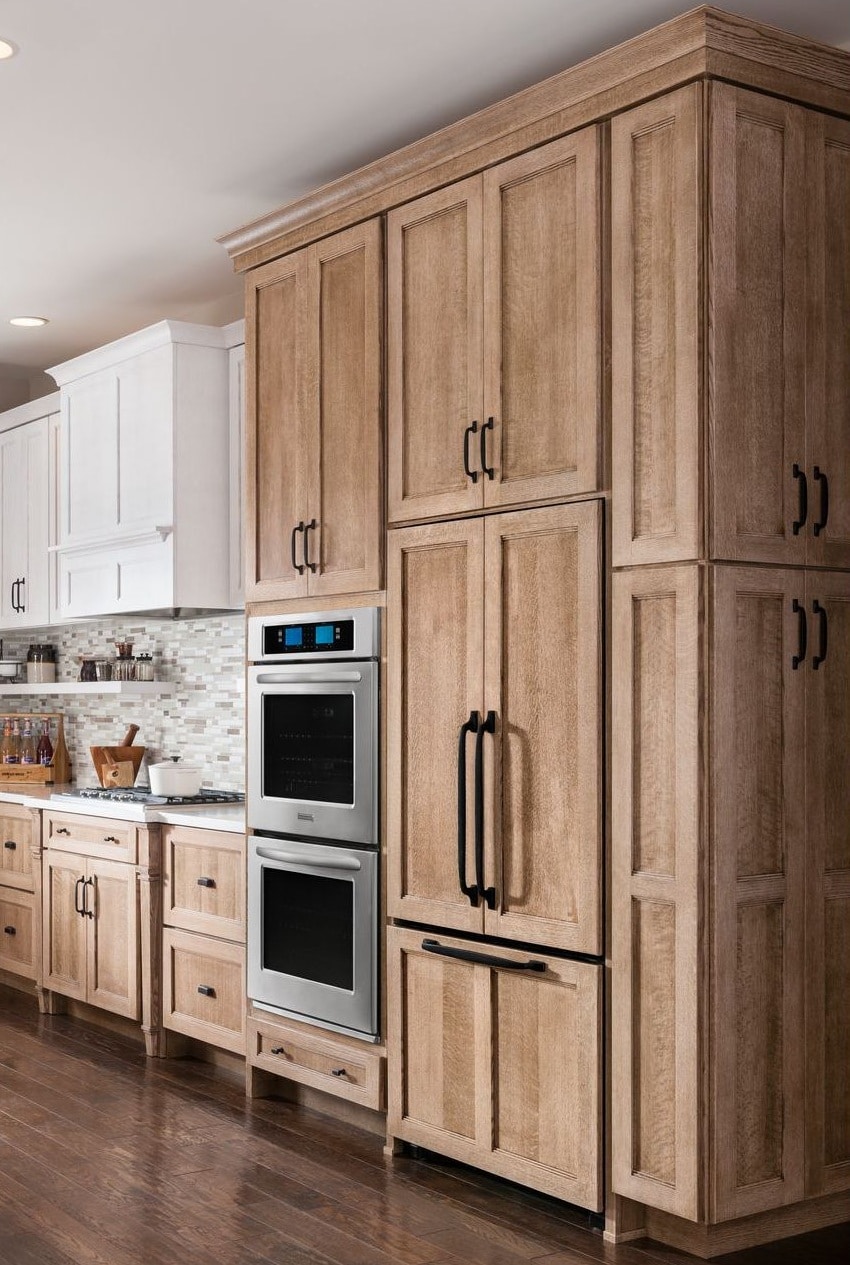
Over a fridge, wall cabinets are often 24 inches deep. This lines up with the fridge depth and gives more storage. Above a hood or microwave, the depth depends on the unit specs. Most hoods like 12 to 15 inches of cabinet depth for support and duct cover.
Key ranges you will see:
- 12 inches deep for most wall runs. Good balance of reach, space, and cost.
- 15 inches deep for bigger dishes, coffee zones, or tall users.
- 24 inches deep above fridges or tall pantry tops only.
The short rule for how deep are upper kitchen cabinets: 12 inches for most runs, 15 inches by task, 24 inches only where it links to tall pieces. If you ask how deep are upper kitchen cabinets in your plan, start at 12 and adjust by need.
Source: cabinetcity.net
Why depth matters: ergonomics, sightlines, and safety
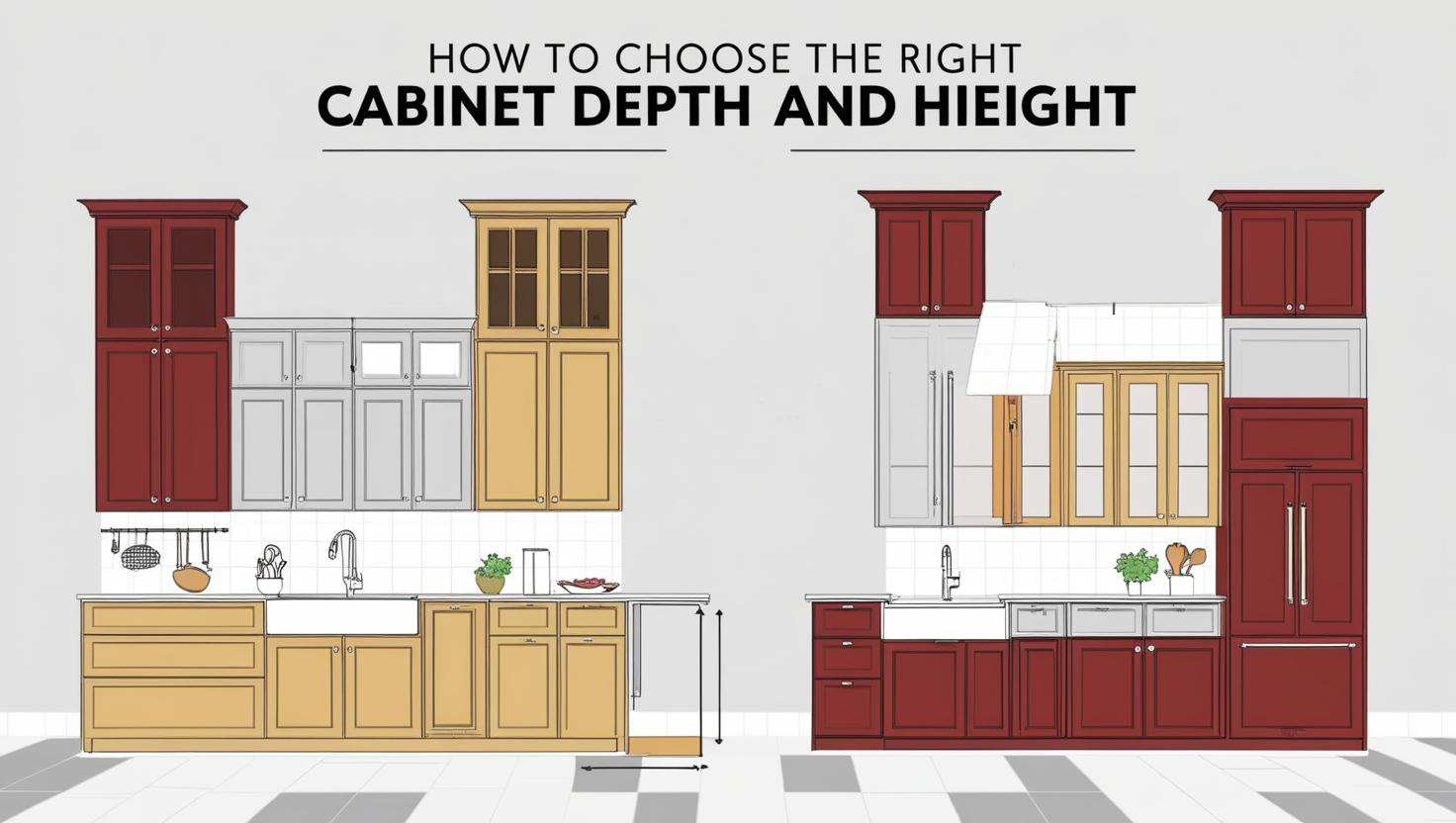
Depth shapes how a kitchen feels and works. Deeper uppers can block your view and light. Shallow uppers feel open and easy to reach.
Most counters are about 25 inches deep. The space from counter to the bottom of uppers is often 18 inches. That gives room to work, plug in tools, and clean. Go deeper with the uppers, and your head and hands have less room. Go shallower, and tall gear may not fit on the counter.
Safety links to depth too. A range hood needs the right gap from the cooktop per the maker’s specs. Gas units often need more space than electric. When you plan how deep are upper kitchen cabinets near a range, check the hood guide first.
From field work, I see this a lot: 15-inch deep uppers over a prep zone are nice. The same 15 inches over a tight galley can feel like a shelf in your face. Use light rails and under-cab lights to help with any shadow.
Source: kbyd.com
Layout-based depth tweaks and where they shine
How deep are upper kitchen cabinets can change by zone. Use task and layout to set the right depth.
Good pairs I use:
- Coffee or breakfast zone: 15 inches deep. Holds tall mugs, syrups, and a grinder without crowding.
- Prep and bake zone: 12 inches deep to keep space for rolling and scaling.
- Over the fridge: 24 inches deep bridge. Store trays, slow cookers, and big pans.
- Corner uppers: Use a diagonal corner unit at 12 or 15 inches to keep doors clear. Blind corners need fillers so doors do not clash.
- Display runs: Glass doors at 12 inches so the line stays light and clean.
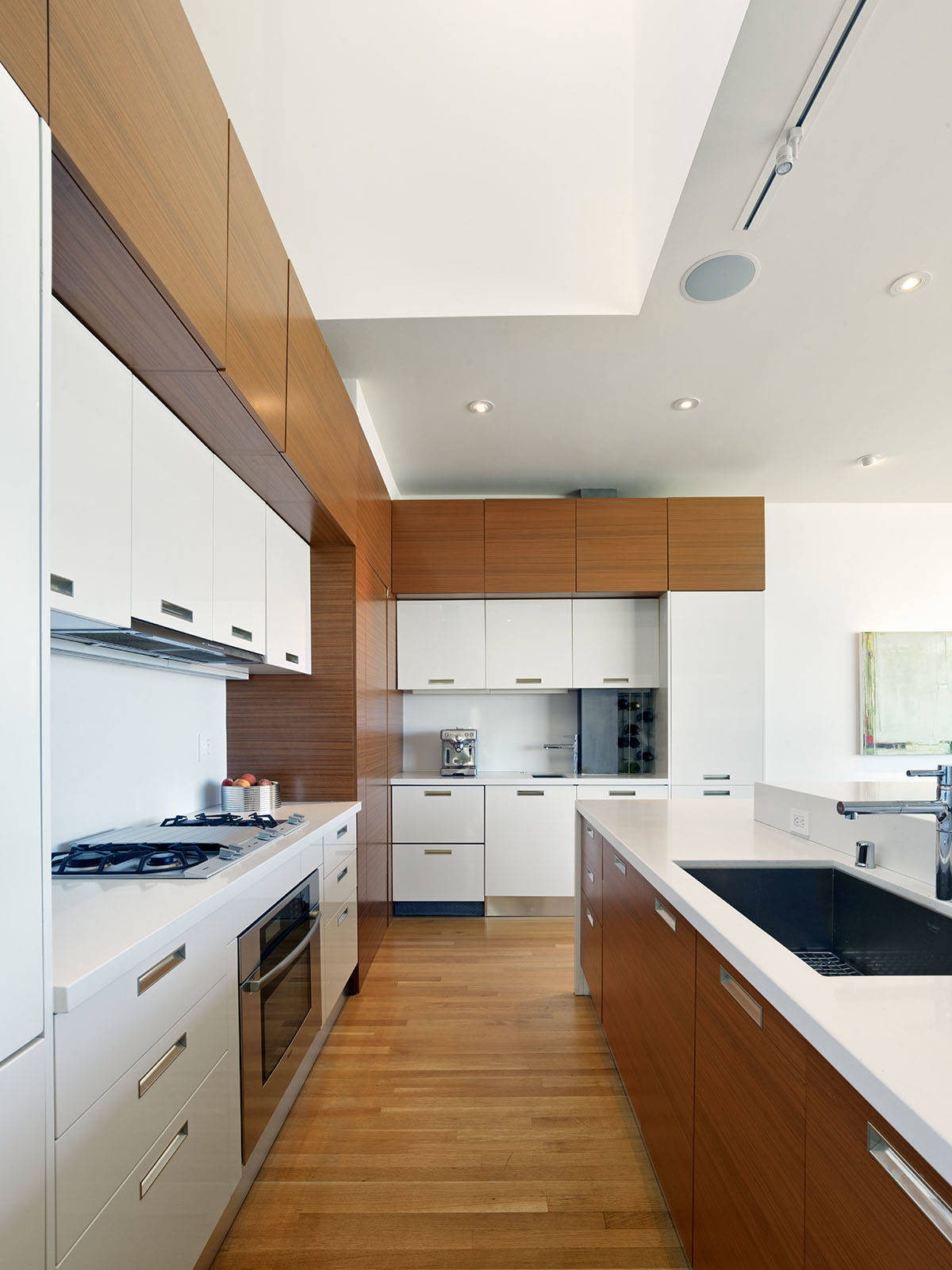
In small galley kitchens, how deep are upper kitchen cabinets has a big effect. A 12-inch depth keeps the aisle safe and bright. In wide kitchens with tall users, a mix of 12 and 15 inches can work well.
Source: houzz.com
Measuring and planning tips that save you time
Plan before you buy. A tape, blue tape, and a cardboard mockup can save days.
Steps I use on site:
- Map studs on the wall. Note any vents, wires, or pipes.
- Mark the counter height. Then mark 18 to 20 inches up for the bottom of uppers.
- Blue tape the cabinet depths on the wall. Stand and reach. Open a dummy door swing if you can.
- Check plate size. Many dinner plates are 11 to 12 inches wide. A 12-inch deep cabinet has less inside room due to the back and door. If your plates are tight, 15-inch deep uppers are safer.
- Plan for under-cab lighting. Fixture depth and a light rail add to the look and the shadow line.
- Count backsplash thickness. Tile can shift an outlet out of reach under deeper uppers.
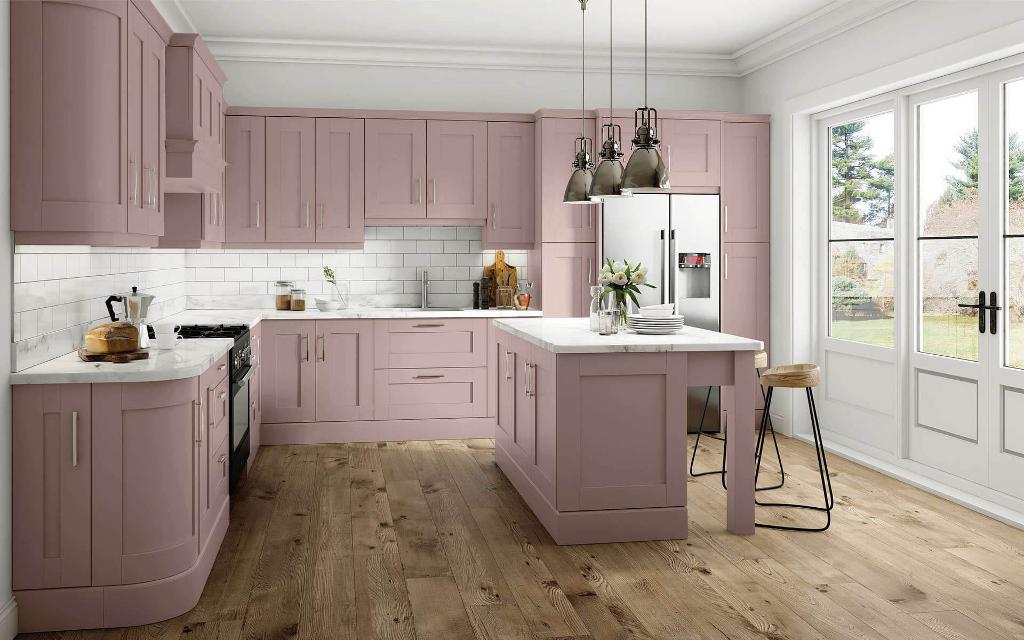
Measure before you set how deep are upper kitchen cabinets. A one-inch shift now avoids years of bumping heads later.
Source: co.uk
Doors, hardware, and construction change how depth feels
Box depth is one thing. The look and feel can be more.
What affects the feel:
- Door thickness. Most are about three-quarter inch. Knobs and pulls add more reach into the room.
- Face frame vs frameless. Frameless gives a hair more inside space for the same box depth.
- Overlay style. Full overlay hides the frame and can look more solid. Inset looks sleek but trims inside space a bit.
- Crown and light rail. These add visual weight. Too much can make a deep upper feel massive.
- Hinges and swing. Near walls and fridges, leave room or use a filler so doors open clear.
This can change how deep are upper kitchen cabinets feel even when the box size is the same. Aim for a calm line that fits the room size.

Source: installkitch.com
Appliances, hoods, and venting that set the rules
Appliance specs can set the depth for you. Read them first, then draw.
Points to check:
- Over-the-range microwaves are often 15 to 16 inches deep. Most mount under a 12- to 13-inch deep cabinet with a bracket. Check the vent path and cord.
- Range hoods need clear space above the cooktop. Many need 24 to 30 inches of height. Depth helps capture steam. A deeper hood body can cover the front burners better than deep uppers can.
- Fridge tops love a 24-inch deep bridge cabinet. Leave side and top clearances as the maker lists for air flow. Counter-depth fridges need less, but still check the sheet.
- Wall ovens in a tall unit change the nearby door swing. Watch the handle hits.
Specs will shape how deep are upper kitchen cabinets can be near these zones. Never guess here. The maker’s guide wins.
:max_bytes(150000):strip_icc()/guide-to-common-kitchen-cabinet-sizes-1822029-wall-0aa240b1f5a044e39959e5f95fa4a073.png)
Source: thespruce.com
Budget check: stock, semi-custom, and custom depths
Depth can change your cost and lead time. Plan for that too.
What to expect:
- Stock lines favor 12-inch deep uppers. Some offer 15-inch as a set SKU. It is an upcharge, but not huge.
- Semi-custom lets you add depth in one-inch steps. Expect an upcharge and a longer wait.
- Custom gives you any depth. It costs more, but you can match every use case.
- Retrofits. Need more room fast? Add plate racks under a 12-inch upper or use shallow shelves near prep zones. You can also swap one run to 15 inches and leave the rest at 12.
If you need to change how deep are upper kitchen cabinets, compare the price jump with the gain. Often one or two key 15-inch cabinets beat a full run change.
Source: cabinetcity.net
Common mistakes to avoid and pro tips
A few checks can save a lot of pain.
Avoid these:
- Skipping appliance specs. Do not guess how deep are upper kitchen cabinets near hoods or microwaves.
- Forgetting fillers. Doors that hit a wall, window trim, or a fridge side panel are a classic fail.
- Crowding the counter. At 15 inches deep, add bright under-cab lights to fight shadows.
- Blocking outlets or switches. Mock up backsplash and light rail first.
- Ignoring plate size. If your plates are 12 inches, 15-inch deep uppers are your friend.
Pro tips I use:
- Use 18 inches from counter to the bottom of uppers as a start. Bump to 19 or 20 inches for tall mixers or coffee gear.
- Mix depths by task. Keep the room light and the work zones strong.
- Scribe to the wall. Many walls are not flat. A clean scribe looks pro and saves you from gaps.
- Test with blue tape. You will feel the depth in seconds and make the right call.
This is how I set how deep are upper kitchen cabinets on real jobs. The right depth in the right place makes a kitchen sing.

Source: kitchen-design-nyc.com
Frequently Asked Questions of how deep are upper kitchen cabinets
How deep are upper kitchen cabinets in most homes?
Most are 12 inches deep at the box, about 12.5 to 13 inches with doors. This size fits most plates and keeps counters open.
Do 12-inch deep uppers fit 12-inch dinner plates?
Often no. The inside space is less than 12 inches due to the back and door. If you have large plates, choose 15-inch deep uppers.
How deep are upper kitchen cabinets above a refrigerator?
They are often 24 inches deep to align with the fridge front. Always check fridge clearances for air flow.
Is 15-inch depth worth it for a coffee bar?
Yes, if you use tall mugs and gear. The extra depth keeps the counter clear and hides cords and canisters.
How deep are upper kitchen cabinets when using an over-the-range microwave?
The cabinet above is usually 12 to 13 inches deep. The microwave itself projects more, so follow the mounting template.
What clearance should I keep between the countertop and uppers?
A common standard is 18 inches. Many pros use 19 to 20 inches for more headroom and lighting.
How deep are upper kitchen cabinets in small galley kitchens?
Stick to 12 inches to keep the aisle open and bright. Use good under-cab lighting to cut shadows.
Conclusion
Picking the right depth is simple when you link it to real use. Start at 12 inches for most runs, go 15 inches where you need big dish or coffee storage, and use 24 inches only over tall units like a fridge. Now you can answer how deep are upper kitchen cabinets with calm and with a plan.
Walk your space with tape and a mockup this week. Test a 12-inch and a 15-inch layout in your key zones. If this guide helped, share it, subscribe for more smart kitchen tips, or drop your depth question in the comments.
Pingback: Kitchen Faucet Cartridge Replacement: Fast DIY Guide 2026