
A commissary kitchen is a licensed, shared commercial kitchen you rent by the hour or month.
If you run a food truck, cater, bake from home, or sell CPG snacks, you have likely asked what is a commissary kitchen and how it can help. I have helped dozens of small food brands pick and use one. In this guide, I break down what is a commissary kitchen, how it works, who it serves, costs, rules, and real tips from the field. Read on to make a smart, safe, and profitable move for your business.
What is a Commissary Kitchen?
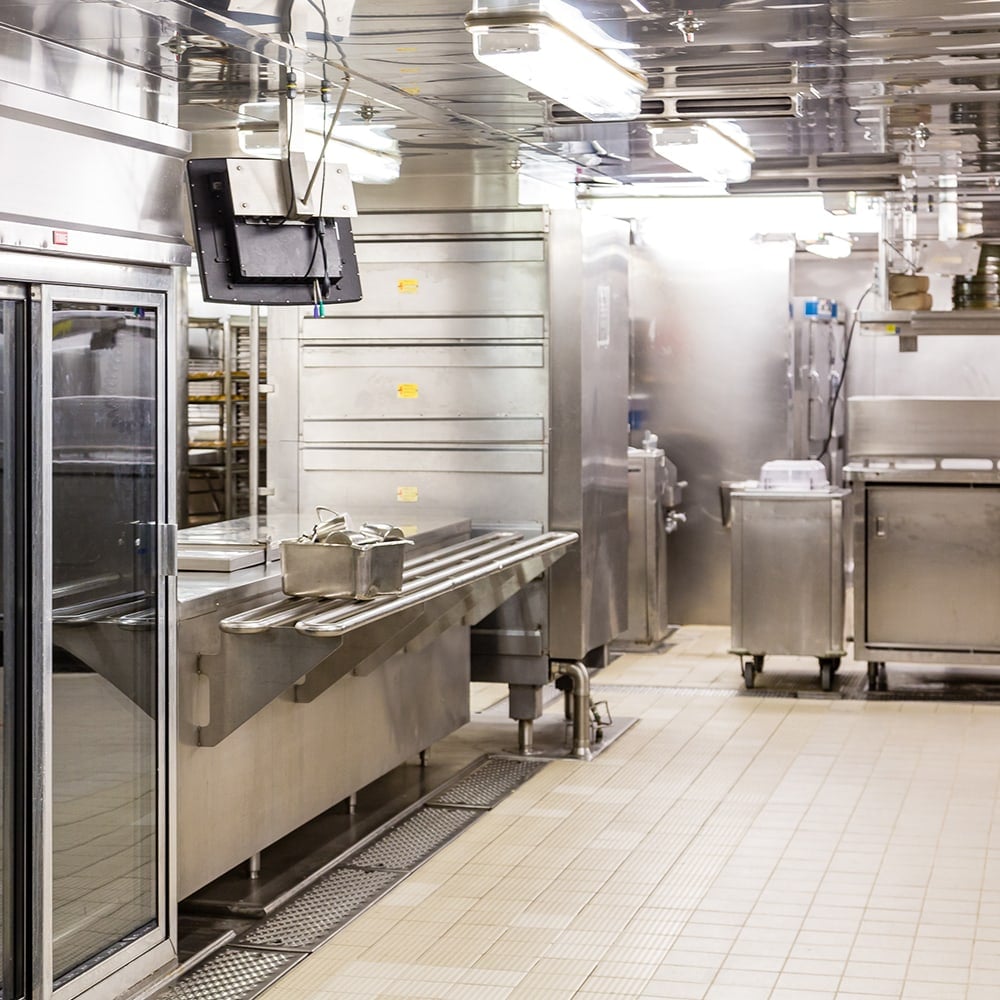
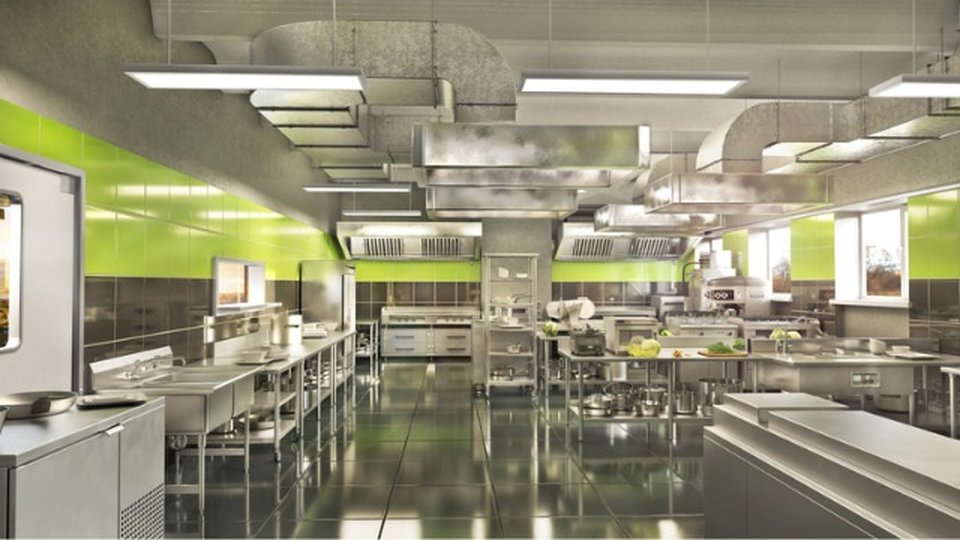
A commissary kitchen is a licensed, inspected kitchen that food businesses share. You book time or space and use pro gear that meets code. Staff clean and keep logs. You get storage, utilities, and waste service.
Why does it exist? Food laws often ban home kitchens for retail sale. A commissary solves this by offering a legal site. You can prep, pack, cool, and store food under rules that match the FDA Food Code.
Here is the short way I explain what is a commissary kitchen to new owners. It is your legal home base with pro tools, cold space, and tracked cleaning. You do not carry the cost of a full build-out. You pay only for what you use.

How Commissary Kitchens Work
Most commissary kitchens run on a simple model. You sign a user agreement, share rules, and pay a deposit. Then you book time in a calendar and bring your staff and labels.
Common features include:
- Hourly, daily, or monthly pricing to match your volume.
- Zones such as hot line, cold prep, baking, and dish.
- Dry, cold, and frozen storage with locked shelves or cages.
- Waste, grease, laundry, and pest control services.
- Logs for temp checks, sanitizer, and deep clean tasks.
When I teach what is a commissary kitchen to a new food truck, I stress three things. Book off-peak hours to save. Label everything with business name and date. Follow the clean-as-you-go rule to keep your slot.
Who Uses a Commissary Kitchen?
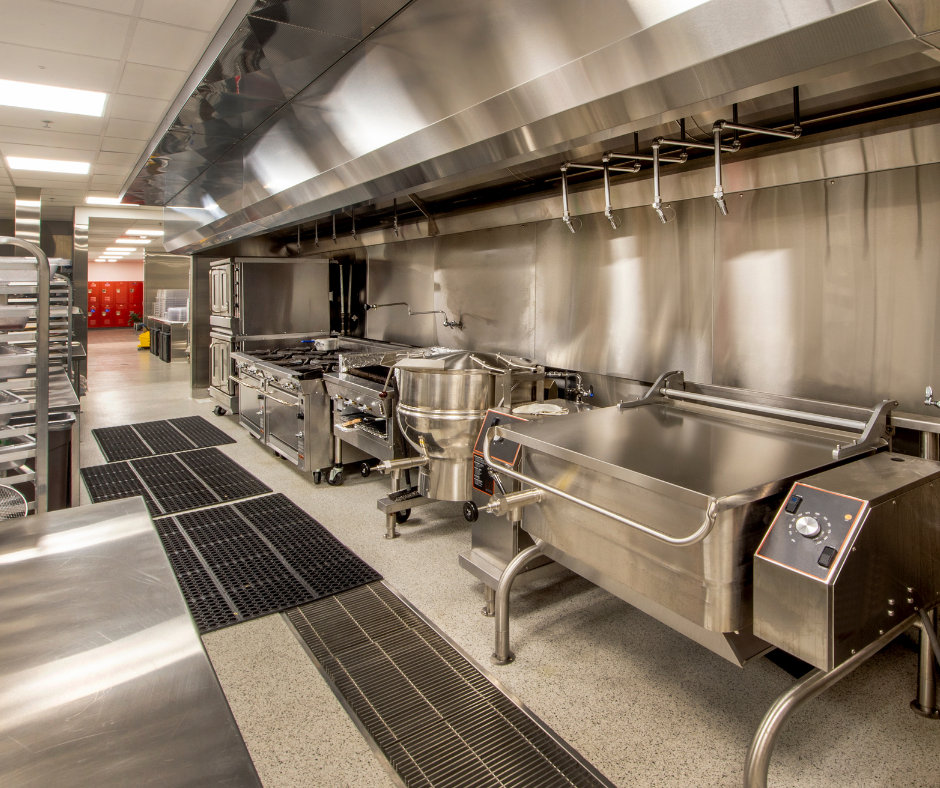
A wide range of food pros use these sites. That is why what is a commissary kitchen matters across the industry.
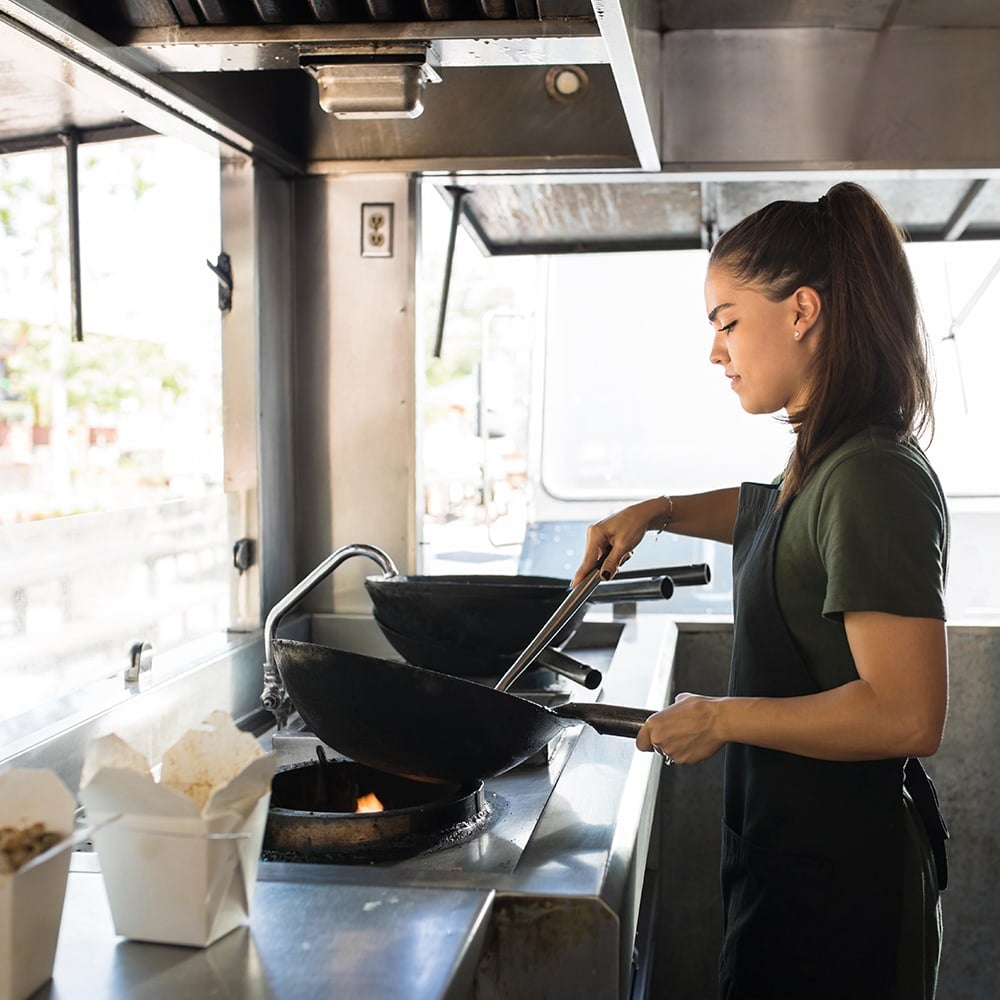
- Food trucks that need daily restock, water, and dump stations.
- Caterers who scale up and down by season.
- Bakers and pastry chefs who need deck ovens and mixers.
- Meal prep brands that portion weekly menus.
- CPG makers who batch sauces, snacks, or beverages.
- Pop-ups and ghost brands that test menus without a full lease.
- Restaurants that need overflow or event prep space.
Benefits and Trade-Offs
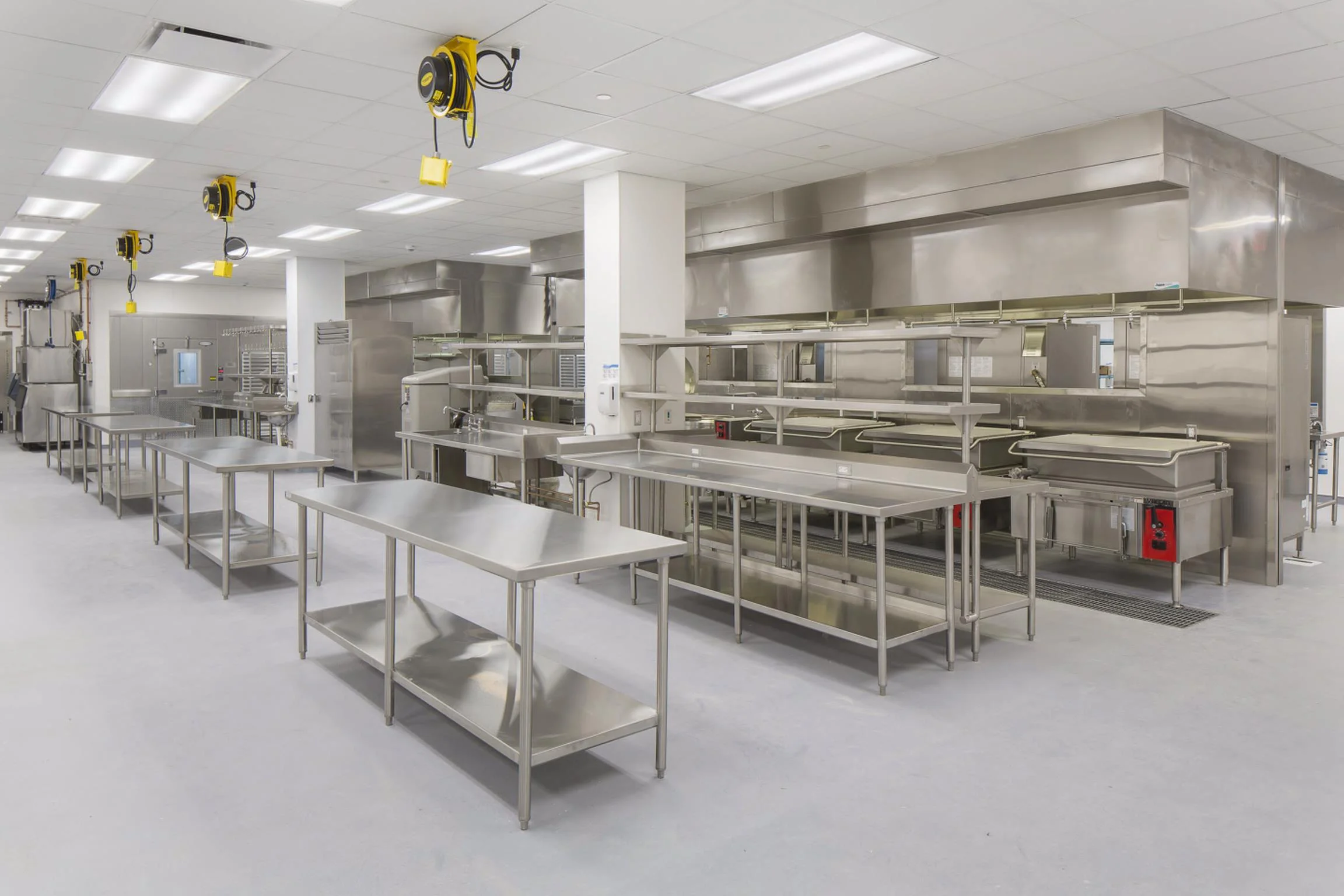
Why choose a commissary over your own build? The gains are clear. But so are the limits. When you ask what is a commissary kitchen good for, weigh both.
Key benefits:
- Lower start-up cost and fast launch.
- Access to pro gear and cold storage.
- Built-in sanitation and compliance logs.
- Flexible hours as you grow or slow.
Trade-offs to note:
- Shared schedules and peak-hour rush.
- Storage limits and transport time.
- Less control over layout and flow.
- Rules on menu types or allergens.
Costs, Pricing Models, and What Affects Your Budget
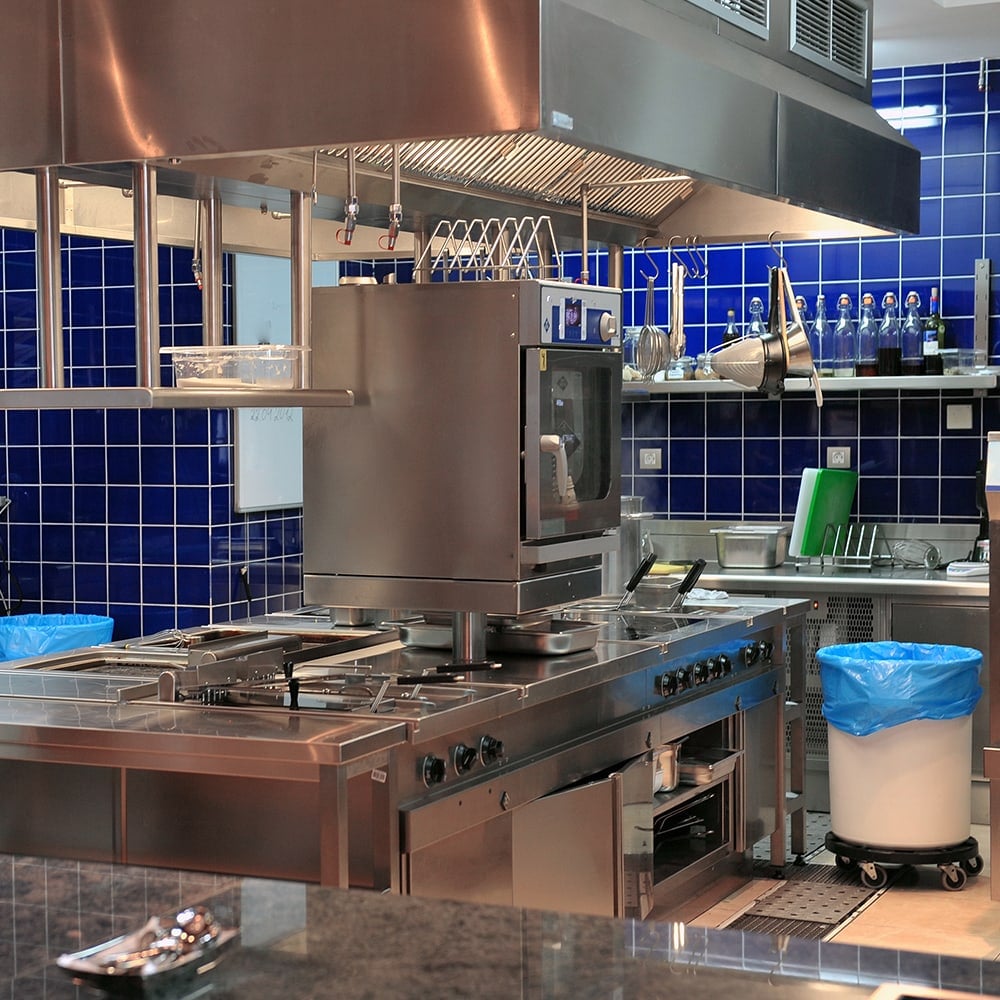
Prices vary by city, gear, and demand. In my projects, I see hourly rates from about $15 to $45. Monthly plans often range from $300 to $1,500 for light use. Food trucks may pay a base fee for parking, water, dump, and storage. Always ask for the full fee sheet.
Your costs shift with these factors:
- Location and access hours.
- Cold and dry storage size.
- Exclusive-use vs shared-use stations.
- Extra services like dish, laundry, or receiving.
- Security deposit and cleaning fees.
- Add-ons like packaging space or test kitchen time.
Pro tip from the field: When you learn what is a commissary kitchen, ask about hidden time. Load-in, load-out, and cleaning all count. Budget for them so you do not overrun your slot.

Equipment, Layout, and Services to Expect
Most sites include core tools. You still bring small tools and label gear. Here is what I expect when I assess what is a commissary kitchen for a client.
- Hot line with ranges, ovens, and flat tops.
- Prep zone with stainless tables and sinks.
- Baking gear like mixers and proofers.
- Walk-in cooler and freezer with lockable racks.
- Dish area with three-compartment sinks or dish machines.
- Hand sinks, sanitizer stations, and test strips.
Strong extras to look for:
- Receiving dock and package hold.
- Office nook, Wi-Fi, and printers for labels.
- Loading zone and secure parking.
- Ice machine, dry storage cages, and scales.

Health, Safety, and Compliance
A big part of what is a commissary kitchen is compliance. Your local health department sets rules. The site should align with the FDA Food Code. Expect routine checks.
Common needs include:
- A food business license and plan review.
- Food manager and food handler cards.
- Approved labels and allergen statements.
- Time and temperature logs.
- Cleaning and sanitizer logs.
- Proof of exclusive or scheduled access.
If you sell across county lines, ask each agency for guidance. When unsure, I call the inspector early. Clear notes on what is a commissary kitchen and your process help you pass fast.
How to Choose the Right Commissary Kitchen
Use a simple checklist. Visit at the same time you plan to work. Watch flow and ask users for candid views.
- Compliance: Are permits current and posted?
- Cleanliness: Are logs filled and dated?
- Gear: Do tools match your menu?
- Storage: Is there enough cold and dry space?
- Access: Are hours and parking workable?
- Safety: Are temp logs, test strips, and PPE in stock?
- Culture: Are staff helpful and firm on rules?
- Costs: Are all fees clear in writing?
When I explain what is a commissary kitchen to founders, I add this. Choose management, not just machines. Good managers keep gear working and issues fair.
Getting Started: A Week-by-Week Plan
Week 1: Shortlist three sites. Tour them. Check permits and gear lists. Ask for a sample contract.
Week 2: Run a small test batch in your top choice. Time every step. Note bottlenecks and missing tools.
Week 3: Lock terms. Book a steady slot. Buy bins, labels, and color-coded boards. Train your team on site rules.
Week 4: Start full runs. Track yield, waste, and time. Meet the manager to tune your setup.
Keep this cycle each month. This is the hands-on way to master what is a commissary kitchen and protect your margins.
Real-World Lessons and Mistakes to Avoid
From my own work, a few patterns repeat. These small moves save time and stress.
- Always overlabel. Put business name, item, prep date, use-by, and your shelf number.
- Stage your bins. One for clean, one for in-use, one for dirty return.
- Book buffer time. You need it for cool-down, wrap, and mop.
- Share the line. Be kind, but speak up on safety. Managers back clear, calm voices.
- Audit your costs. Track time from door-to-door, not just cook time.
The biggest mistake I see in what is a commissary kitchen is poor transport. Use cold packs and insulated carriers. Log temps on pickup and delivery.
Commissary Kitchen vs Ghost Kitchen vs Shared Kitchen
People often mix these ideas. Here is the plain guide I use.
- Commissary kitchen: Shared, legal, multi-user prep site. You prep, store, and clean under one roof.
- Ghost kitchen: Delivery-only brand run from a pro kitchen. It may live inside a commissary or a private site.
- Shared kitchen: A broad term for any shared-use site. Many are commissaries that meet health code.
So, what is a commissary kitchen in this mix? It is the legal, flexible base that can host many models, including ghost brands and pop-ups.
Frequently Asked Questions of what is a commissary kitchen
What permits do I need to use a commissary kitchen?
You need a food business license and often a plan review. Many areas also need a certified food manager card and proof of commissary use.
Can I sell products made in a commissary kitchen to stores?
Yes, if your product and labels meet local and state rules. Some items need extra steps, like process approval or lab tests.
How do I book time in a commissary kitchen?
Most sites use an online calendar. You choose a slot, confirm storage, and follow posted rules for cleanup and lockup.
Is a commissary kitchen good for new food trucks?
Yes. You can park, prep, fill water, and dump waste there. Many sites also offer secure storage and parts support.
What insurance do I need?
General liability is standard. Some sites also ask for product liability and name the commissary as an additional insured.
Conclusion
You now know what is a commissary kitchen, how it runs, who it helps, and how to pick the right one. With the right site, you launch faster, meet code, and scale with less risk. Start with a tour, test a batch, and lock a fair plan.
Ready to move? Make your shortlist today, compare costs and culture, and book a trial shift. Want more tools and checklists? Subscribe for templates, new posts, and real-world case studies.
Pingback: How Deep Are Upper Kitchen Cabinets: Standard Sizes 2026