
For most bedrooms, choose 40–60W equivalent LEDs (450–800 lumens) at warm 2700–3000K.
If you have ever asked what wattage light bulb for bedroom, you are not alone. I help people solve lighting stress every week. In this guide, I break down the best choices in plain words. You will see how watts, lumens, and color impact your sleep and mood. You will learn what to buy, why it works, and how to avoid costly mistakes.
Watts vs lumens: the truth about brightness
Watts measure power use. Lumens measure light. Brightness comes from lumens, not watts.
Old bulbs used more watts to make light. LEDs give the same light with far fewer watts. This is why wattage can mislead you.
Use lumens as your main metric for what wattage light bulb for bedroom. Then check the LED watt number to match your fixture limits.
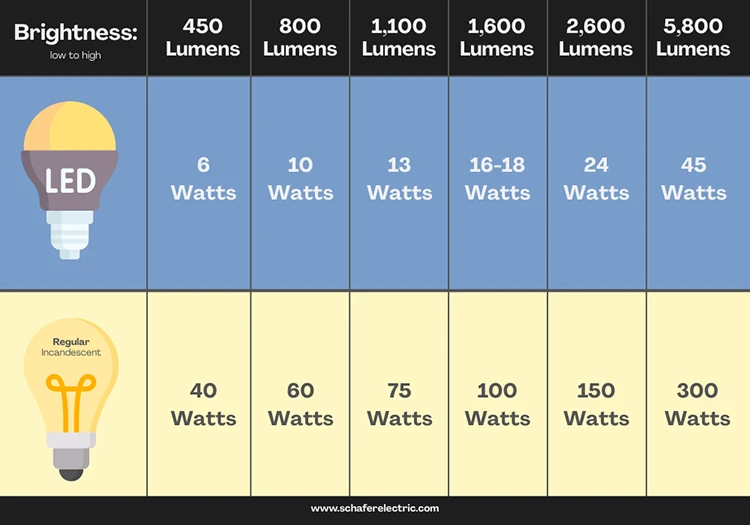
Helpful rough matches for common bulbs:
- 40W incandescent is about 450 lumens and 6–9W LED
- 60W incandescent is about 800 lumens and 8–12W LED
- 75W incandescent is about 1100 lumens and 10–15W LED
- 100W incandescent is about 1600 lumens and 14–20W LED
If you want a cozy room, stay near 450–800 lumens per bulb for ambient light. Use more lumens at the bed for reading.

How to choose what wattage light bulb for bedroom: a simple 3-step method
Here is a fast plan that works in any bedroom.
Step 1: Measure the room.
- Length times width gives square feet
- Example: 12 by 12 feet is 144 square feet
Step 2: Choose a target light level.
- Ambient light: 10–20 lumens per square foot
- Task light by the bed: 30–50 lumens per square foot in that zone
Step 3: Do the math and pick bulbs.
- For 144 square feet at 15 lumens per square foot, you need about 2160 lumens total
- This could be three bulbs at 800 lumens each
- Or a ceiling light at 1600 lumens plus two small lamps at 450 lumens
Real examples:
- Small room, 100 square feet: aim for 1000–1500 lumens total
- Medium room, 150 square feet: aim for 1500–2500 lumens total
- Large room, 200 square feet: aim for 2000–3000 lumens total
Tie it back to what wattage light bulb for the bedroom. A 60W equivalent LED gives about 800 lumens. Two or three of these often cover a medium room.

Recommended wattage and lumens by use case
Picking what wattage light bulb for bedroom depends on how you use the space. Match the bulb to the job.
Ambient ceiling or flush mount
- 800–1600 lumens total for small to medium rooms
- 1600–3000 lumens total for large rooms
- LED watt range is often 8–20W, depending on the fixture
Bedside reading lamps
- 450–800 lumens per lamp
- LED watt range is 6–10W
- Use a warm 2700–3000K bulb with a focused shade
Accent lights and wall sconces
- 200–450 lumens per fixture
- LED watt range is 3–6W
- Great for soft layers and a calm mood
Night lights or nursery
- 5–50 lumens with motion or smart control
- Amber or red tones help keep sleep on track
Seniors or low-vision users
- 800–1100 lumens at the bed for reading
* High CRI and glare control help a lot
These ranges keep what wattage light bulb for bedroom simple and safe.

Color temperature, CRI, and sleep
Color temperature shapes how a room feels. It also affects sleep.
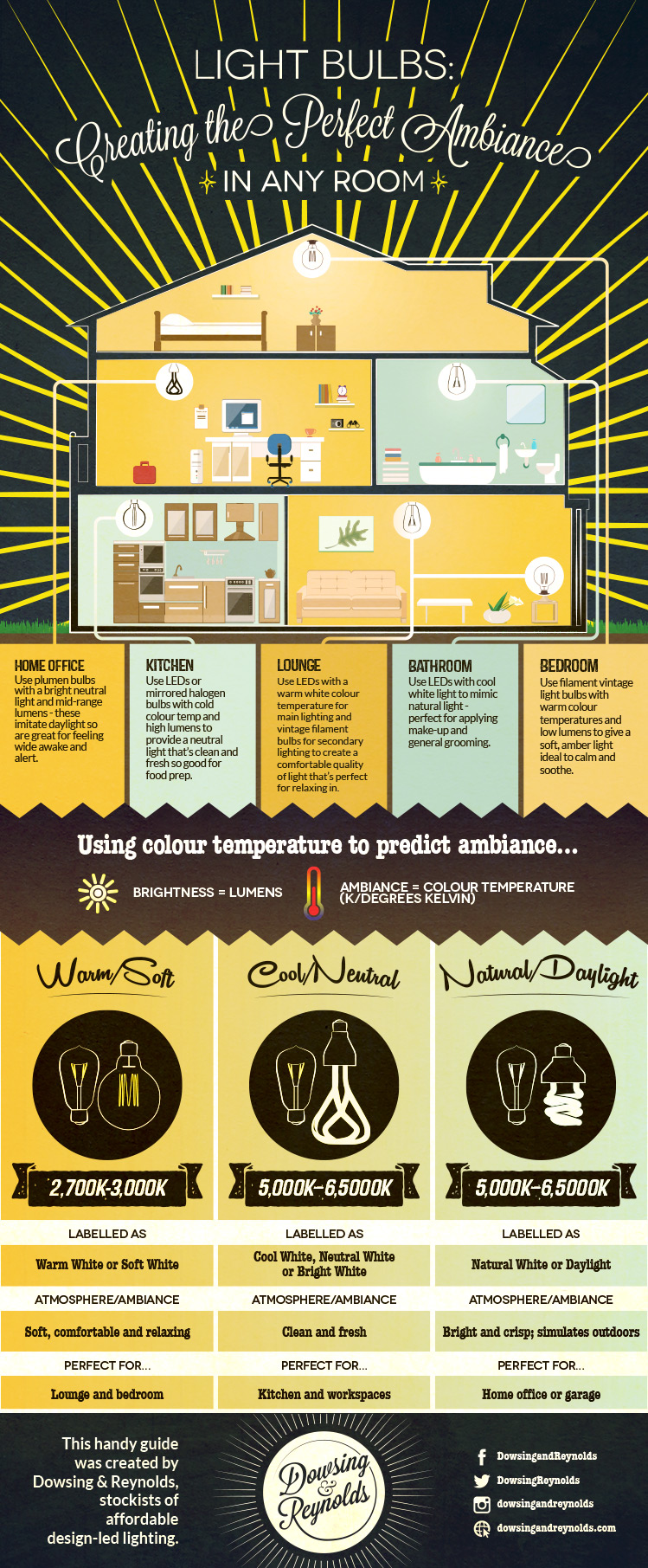
2700–3000K feels warm and calm. It is great for evenings and for most bedrooms. 3500K feels neutral and is fine if you need a brighter look. Higher values can feel cool and alert, which is not ideal before bed.
CRI shows color accuracy on a scale up to 100. Aim for CRI 90+ if you care about true colors for art, makeup, or matching fabrics.
For sleep, dim and warm light in the last hours of the day. This supports melatonin. It also lowers eye strain. This is key when you plan what wattage light bulb for bedroom for healthy routines.
Fixture safety and dimming basics
Always check the fixture label. It lists a maximum watt rating. Use LED watt numbers to stay below that limit. This keeps heat low and protects wiring.
Use dimmable bulbs with dimmers rated for LEDs. Some bulbs buzz or flicker on old dimmers. Look for bulbs marked dimmable and low-flicker.
Place the brightest light away from pillow height. Keep glare out of your eyes. This matters as much as what wattage light bulb for bedroom.

LED vs CFL vs incandescent vs smart bulbs
LEDs are the best pick for bedrooms today. They save power, run cool, and last long. They do well if you choose the right model.
CFLs use less power than old bulbs but warm up slowly and dim poorly. Incandescent bulbs have a nice color but waste power and run hot.
Smart bulbs let you set scenes, timers, and warm-to-dim modes. They can shift from day to night with one tap. This makes what wattage light bulb for the bedroom even easier. You match mood and tasks without swapping bulbs.
Common mistakes to avoid
People often mix up watts and lumens. They also buy bulbs that are too cool. Or they ignore the fixture rating.
Avoid these traps:
- Buying only by watts and getting the wrong brightness
- Picking 4000K or 5000K for a cozy bedroom
- Using non-dimmable bulbs on a dimmer
- Ignoring glare from exposed bulbs by the bed
- Placing one bright bulb in the center and leaving corners dark
Fix these and what wattage light bulb for bedroom becomes simple and reliable.

Quick buying checklist
Use this list in the store or online.
- Decide your target lumens for the room and tasks
- Pick color temperature: 2700–3000K for a calm feel
- Choose CRI 90+ if color matters to you
- Check dimmable and low-flicker labels
- Confirm LED watt use stays under your fixture max
- Look for Energy Star or similar marks for quality
- Buy the right base type and shape for the fixture
- Plan two to three light layers, not one bright bulb
This checklist helps you nail what wattage light bulb for bedroom in minutes.
Real-world examples from my work
I once helped a couple with a dark 12-by-14 room. They had one 60W equivalent LED in a closed dome. We swapped to a 1600 lumen LED ceiling light and added two 450 lumen lamps. We kept the color at 2700K. The room felt warm and bright without glare. They slept better and read more.
A client with a nursery had night wake-ups. We used a 20-lumen amber night light near the door. We put a smart bulb at 2700K for feeding time. The baby and parents rested better. This is the heart of what wattage light bulb for bedroom. It must serve real life.
I have also seen buzzing bulbs on old dimmers. The fix was simple. We used LED-rated dimmers and dimmable bulbs. The hum vanished.
Frequently Asked Questions
What wattage light bulb for bedroom is best for general lighting?
Most bedrooms do well with 40–60W equivalent LEDs. That gives about 450–800 lumens per bulb and a soft feel.
What wattage light bulb for bedroom is best for reading?
Choose a 60–75W equivalent LED near the bed. Aim for 800–1100 lumens with a warm 2700–3000K color.
What wattage light bulb for bedroom is safest for old fixtures?
Use LEDs that keep actual watts low and stay under the fixture max. Check the label on the light and pick a bulb that draws less power than the limit.
What wattage light bulb for bedroom should I use with a dimmer?
Pick dimmable LEDs that list dimmer support on the box. A 60W equivalent LED is versatile and responds well to dimming.
What wattage light bulb for bedroom works for a small room?
In a small room, one or two 40–60W equivalent LEDs often work. Add a bedside lamp if you need focused light for reading.
What wattage light bulb for bedroom helps me sleep better?
Use warm 2700K bulbs at low dim levels in the evening. Keep brightness low and avoid cool, blue-heavy light.
Conclusion
You now have a simple plan to choose bulbs with confidence. Use lumens to set brightness, pick warm color, and add dimming. Then layer light for tasks and mood. That is the core of what wattage light bulb for bedroom in real life.
Take five minutes to measure your room. Do the quick math. Replace one bulb today and feel the change tonight. If you want more tips like this, subscribe, share your room size in the comments, or ask for a custom plan.
Pingback: What Does A Red Light In A Bedroom Mean: A Quick Guide
Pingback: How To Mix And Match Bedroom Furniture: Stylish Tips 2026