
Yes, most stainless steel is dishwasher safe, but not all items or grades are.
If you have ever wondered is stainless steel dishwasher safe, you are in the right place. I test cookware, flatware, bottles, and appliances for a living, and I have washed hundreds of stainless items across many dishwashers. In this guide, I will explain what makes stainless steel safe to wash, where people go wrong, and how to prevent rust, spots, and dullness. You will leave with clear, proven steps you can use today.
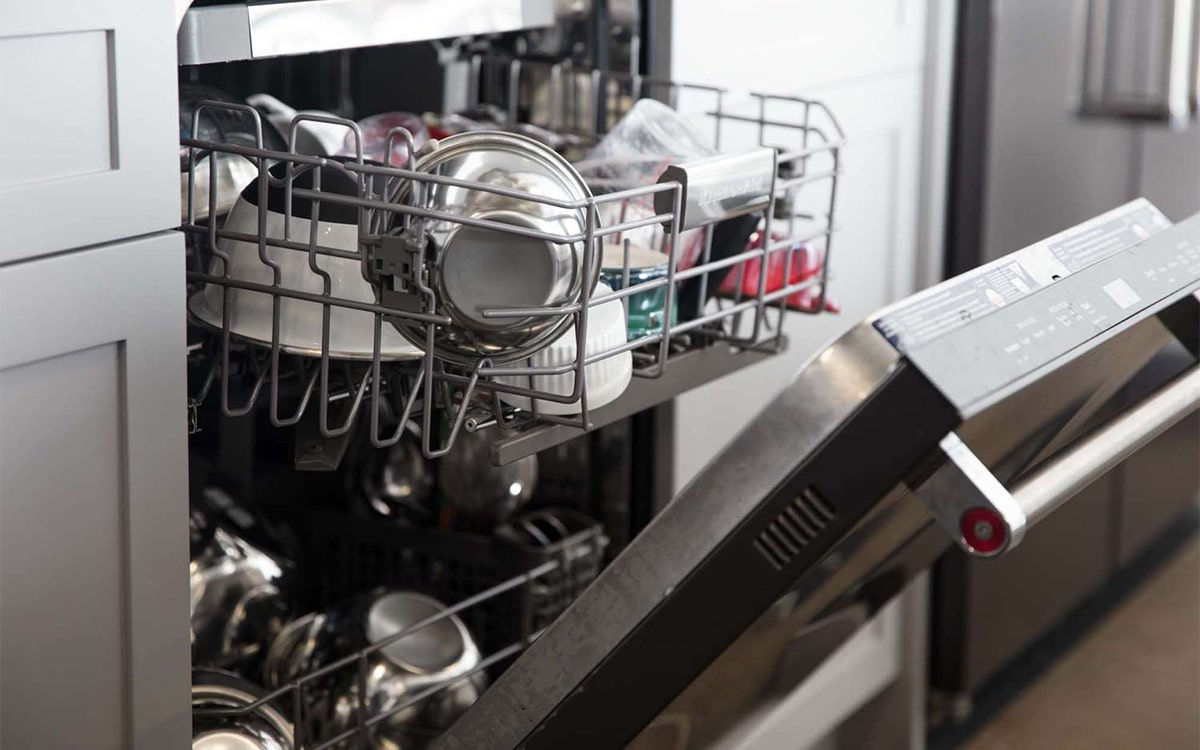
What “dishwasher safe” really means for stainless steel
Dishwasher safe means an item can handle heat, water, and detergent without damage. For stainless steel, that comes down to grade, finish, thickness, and any parts attached to it. It also depends on your cycle, detergent, and how items touch each other in the rack.
When people ask is stainless steel dishwasher safe, they often expect a yes or no. The honest answer is that most 300-series stainless does fine. But knives, thin gauge pieces, and insulated items may not. The details below help you tell the difference.

Stainless steel grades and how they behave
Not all stainless steels act the same in a dishwasher. Small differences in chromium and nickel change how they resist staining and rust.
- 18/10 and 18/8 (304): Good corrosion resistance. Most cookware and flatware in this range are dishwasher safe.
- 18/0 (430): Magnetic and more likely to spot. Many budget flatware sets use this. Still usable, but dry fast.
- 400-series knife steel (410, 420): Harder for edges, but prone to rust and pitting. Hand-wash knives to protect blades.
Here is the key link to your question: Is stainless steel dishwasher safe? It is safer when you pick 18/10 or 18/8 and avoid harsh detergents with chlorine or high chlorides.
:max_bytes(150000):strip_icc()/__opt__aboutcom__coeus__resources__content_migration__serious_eats__seriouseats.com__2018__10__20181023-dishwasher-vicky-wasik-a784f8ad702d438ba62ac8181cb4b4bf.jpg)
What you can and cannot put in the dishwasher
I have seen great results with the right items. I have also seen surprise rust from a stray steel wool fiber. Use this list as a quick guide.
What to wash with confidence
- Tri-ply stainless pots and pans without copper or aluminum exterior layers. Expect normal spotting at times.
- 18/10 or 18/8 flatware. Separate knives, forks, and spoons to avoid nesting.
- Stainless mixing bowls without rubber bases or delicate decals.
- Stainless steel inserts, strainers, and racks made for cookware.
What to be careful with or hand wash
- Kitchen knives. Dishwasher heat and detergent dull edges and can stain blades.
- Insulated stainless bottles and travel mugs unless the maker marks them top-rack safe. Heat can damage seals and vacuum performance.
- Stainless steel with wood, glue, or plastic handles that are not rated for heat.
- Stainless with copper bases or aluminum outside layers. Those parts can tarnish or pit.
- Small stainless parts that can fall through the rack and hit the heating element.
If you still ask if stainless steel is dishwasher safe, think about gaskets, joints, and mixed materials. The steel may be safe, but the seal or handle may not be.

Common problems and how to avoid them
Even good stainless steel can show spots or rainbows after a wash. These are the most common issues I see.
- White spots or film: Often hard water. Use rinse aid, avoid overfilling detergent, and run a hotter rinse.
- Rainbow tint: Heat tint. It is harmless. A light scrub with a non-abrasive cleaner removes it.
- Orange specks: Often transfer rust from a cheap rack, steel wool residue, or cast iron nearby. Wipe off and avoid metal-on-metal contact.
- Pitting: Tiny craters from chlorides in detergent or salt. Do not use bleach. Keep items clear of dishwasher salt spills.
If your goal is to settle is stainless steel dishwasher safe for daily use, control these four risks: harsh detergents, chlorine, high heat with long dry cycles, and mixed-metal contact.

Best practices for washing stainless steel in the dishwasher
The right setup makes a big difference. Here is the process I use in my test kitchen.
- Load so items do not touch. Keep stainless steel away from aluminum, cast iron, or silver to prevent marks.
- Use a quality detergent without added bleach. Avoid tablets with high chlorine content.
- Always use rinse aid. It reduces water spots on polished stainless.
- Choose normal or auto cycles for most loads. Use sanitize only when needed.
- Open the door at the end of the dry cycle to vent steam. Dry with a soft towel if you see water beads.
Wondering again, is stainless steel dishwasher safe? With these habits, most stainless steel holds its shine and resists rust for years.

Fixing stains and restoring shine
If you get spots or light rust, do not panic. You can restore the surface fast.
- For tea or coffee stains: Use a paste of baking soda and water. Rub, rinse, and dry.
- For rainbow tint or light rust: Use a non-abrasive stainless cleaner with oxalic acid. Rinse well.
- For heavy mineral film: Use white vinegar on a soft cloth. Then wash and dry.
- For brushed finishes: Wipe with the grain to keep the look clean.
I have brought flatware back from Orange Freckles many times. The trick is to remove the contaminant and let the chromium oxide layer reform. Ask yourself if stainless steel dishwasher safe is going forward, then change the loading or detergent to avoid repeats.
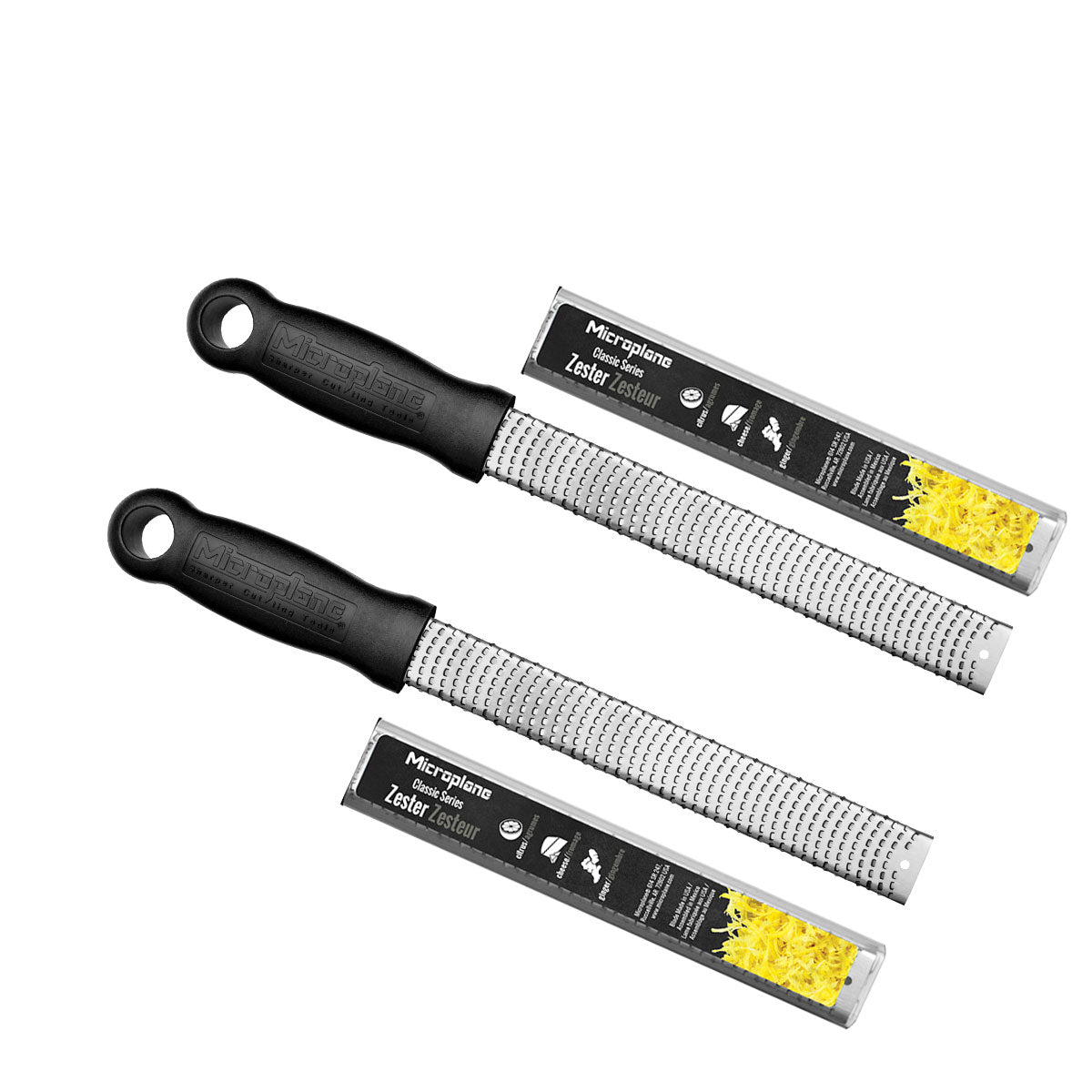
Why stainless steel can rust in a dishwasher
Stainless steel resists rust because it forms a thin chromium oxide film. In most homes, that film stays intact. But dishwashers push heat, water, and alkaline detergent with chlorides. Chlorides can breach that film and cause pits, especially on lower nickel grades or knife steels.
Other triggers include trapped food acids, metal contact between dissimilar alloys, and salty water. Salt spills from softeners can speed pitting. This is why the question is stainless steel dishwasher is safe needs context. The material is strong, but the environment matters.

Buying guide: choosing dishwasher-safe stainless items
A few smart choices at purchase time make life easy later.
- Look for 18/10 or 18/8 markings on flatware and cookware.
- Check for a dishwasher-safe symbol on bottles, lids, and handles.
- Avoid cookware with copper or aluminum on the outside unless it is labeled safe.
- For knives, pick hand-washing only. The edge will last longer and resist stains.
- Choose brands that list exact steel grades and care instructions.
If you still wonder if stainless steel is dishwasher safe, read the maker’s care card first. Good brands tell you what parts can go on the top rack and which parts to hand wash.
Real-world lessons from the test kitchen
Over the years, I have made mistakes, so you do not have to.
- I once washed a stainless steel tumbler with a glued logo. The cup survived, but the logo peeled. Check for adhesives.
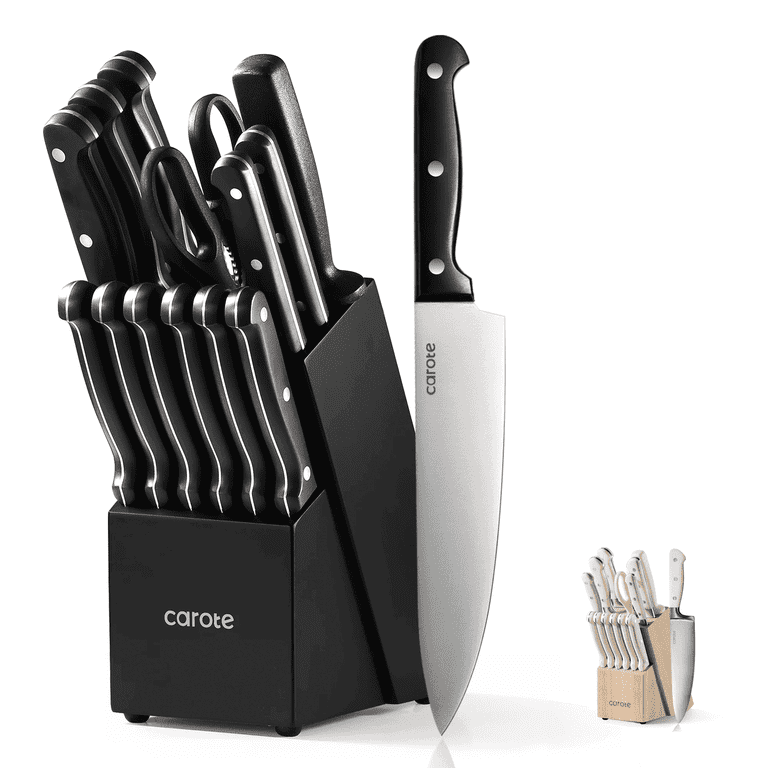
- I tossed a carbon steel knife in by accident. It came out with instant orange spots. The blade cleaned up, but it taught me to sort knives.
- I ran 304 pans on a sanitize cycle every week. They dulled a bit faster. Now I use normal cycles, and they shine longer.
Every time a reader asks me is stainless steel dishwasher safe, I share these stories. Small habits spare you big cleanup later.
Frequently Asked Questions of is stainless steel is dishwasher safe
Is a stainless steel dishwasher safe for everyday flatware?
Yes, most 18/10 and 18/8 flatware is fine. Use rinse aid and dry soon after the cycle to prevent spots.
Is a stainless steel dishwasher safe for pots and pans?
Clad stainless cookware is usually safe. Avoid pieces with copper or aluminum exteriors unless the maker says otherwise.
Is a stainless steel dishwasher safe for water bottles?
Only if the maker marks them dishwasher safe. Many insulated bottles are top-rack only, and some lids must be hand washed.
Why does my stainless steel rust in the dishwasher?
Rust often comes from chloride detergents, metal contact, or trapped moisture. Switch detergents, space items, and dry faster.
Is a stainless steel dishwasher safe on the sanitize cycle?
It can be, but high heat can dull the finish over time. Use sanitizing only when needed for baby items or after raw meat prep.
Is stainless steel dishwasher safe if it is 18/0?
It is more prone to spotting than 18/10. It is usable, but dry right away and use rinse aid.
Is a stainless steel dishwasher safe for knives?
No, dishwashers’ dull edges can stain knife steels. Hand-wash and dry knives at once.
Conclusion
Stainless steel and dishwashers can be a great match when you use the right grades, the right cycle, and smart loading. Choose 18/10 or 18/8, avoid bleach, space items well, and dry fast. If stains happen, restore the finish with simple cleaners.
Put the tips to work on your next load and see the difference. If this guide answered your question, is stainless steel dishwasher safe, share it with a friend or leave a comment with your results.
Pingback: Why Is My Dishwasher Not Drying: Quick Fixes And Tips